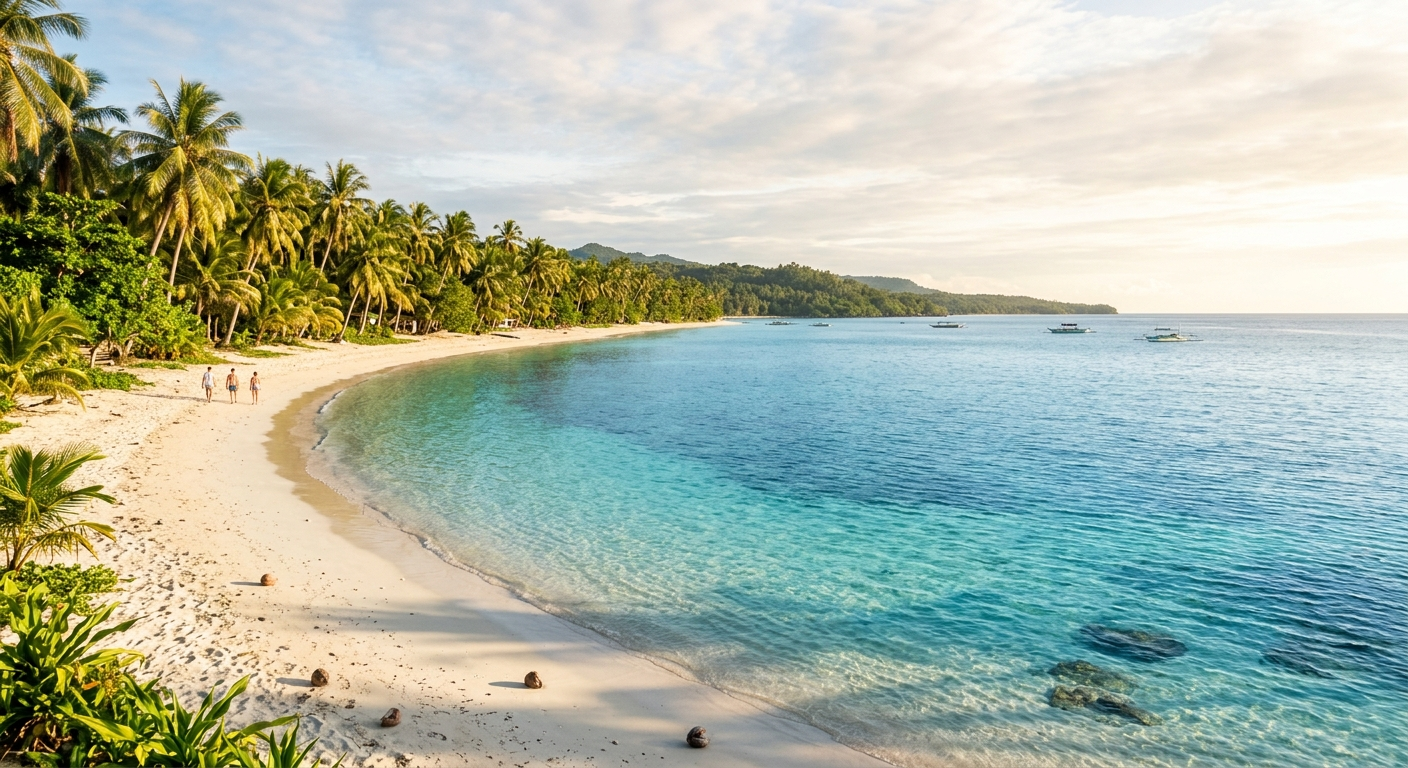
The Shoulder Season Secret: Why Late April is the Best Time to Visit Siquijor
Think Holy Week is the best time to go? Late April to early May offers quieter beaches, better deals, and lush scenery as Siquijor transitions into the wet season.
Most travel guides push you toward Siquijor during December through March. The dry season. Peak season. The “correct” time to visit. But travelers who have been paying attention know there is a better window, one most bloggers and travel influencers have yet to mainstream: the shoulder season that runs from late April through mid-May.
This is Siquijor at its most honest. The island shed its Holy Week crowds weeks ago. Prices at beachfront accommodations have softened. The interior hills are green from the tail end of the dry season, and the ocean still holds enough clarity to make snorkeling worthwhile. If you are flexible with weather, this may be the most rewarding time to set foot on the island.
What the Shoulder Season Actually Looks Like
Late April marks the transition in the Visayas. The northeast monsoon has wound down, but the southwest monsoon has not yet taken firm hold. The result is a weather pattern best described as “transitional” rather than definitively wet or dry.
Expect high temperatures, often reaching 32 to 35 degrees Celsius in the afternoon. Humidity stays elevated. Afternoon clouds roll in most days, sometimes producing brief but intense tropical showers, sometimes just sitting on the horizon as dramatic scenery. Mornings tend to be clear and calm, ideal for early swims before the heat peaks.
By mid-May, the probability of rain increases noticeably. Short but heavy afternoon downpours become the norm rather than the exception. The upside is that these rain events rarely disrupt a full day of sightseeing. You plan around them the same way locals do: start early, rest through the midday heat under a covered cafe, and save water activities for the morning.
The Crowds Have Left. The Prices Have Softened.
The most concrete advantage of visiting now is who is not there. Holy Week typically brings a surge of domestic tourists from Cebu and Dumaguete, packing the beaches at Paliton and Salagdoong, filling the ferry terminal, and driving up accommodation rates along the San Juan strip. That wave receded by mid-April.
What you get in late April is an island that breathes again. The same beachfront bungalows that charged premium rates in March are offering more flexible pricing. Smaller guesthouses that were fully booked weeks earlier now have availability you can actually use. Restaurants that had standing-room-only service during peak season will seat you without a wait.
This is not off-season despair. Siquijor never truly shuts down. What shifts is the character of the place. The energy becomes more local, more unhurried. You are sharing space with dive instructors, long-term digital nomads, and the occasional family who lives on the island year-round rather than tourists who arrived on a scheduled ferry.
The Water Is Still Good, But Manage Expectations
One concern about traveling during the shoulder season is water quality. This deserves a fair assessment. The ocean around Siquijor remains swimmable in late April and early May. Visibility at popular snorkeling spots like Tamb方才 Beach and the marine sanctuary near Dauin holds up reasonably well, though it is not at its dry-season peak.
The real transition you will notice is at the waterfalls. Cambugahay Falls, the island’s signature cascade, sees its flow reduce as the dry season officially ends. By mid to late May, the famous three-tiered falls can appear thinner than the photos you have seen from January. Late April is the last reliable window to see it flowing at a satisfying volume. Lagaan Falls, tucked deeper into the island’s interior, tends to hold water longer but follows the same seasonal logic.
If waterfall visits are central to your itinerary, schedule them within the next few weeks. The difference between a late-April visit and an early-June visit to Cambugahay is noticeable enough to matter.
The Landscape Gets Lush
Here is what the shoulder season delivers that peak dry season cannot: green. The interior trails around Mount Bandilaan, the coconut groves along the coastal road between Larena and Lazi, and the hillside patches that frame the old churches all take on a deeper, more saturated green as the island absorbs the last moisture from the retreating rains.
Photographers notice this immediately. The contrast between the white sand beaches and the vivid green backdrop is at its most striking in the weeks before the heavy monsoon hits. Morning light in late April is warm and golden, ideal for capturing the island’s landscapes without the harsh midday glare of March.
The butterfly garden near the mountain peak is another beneficiary of this transitional period. Flowers are still blooming, attracting a wider variety of species than you would see in the drier months. It is a modest attraction by most standards, but one that rewards visitors who arrive during the right window.
How to Work Around the Weather
Traveling during a transitional weather period rewards planning over spontaneity. The schedule that works best in late April follows a predictable rhythm.
Start the day early. Beaches and snorkeling spots are best before 9 AM, both for water clarity and to avoid the strongest sun. By the time most tourists are rolling out of bed, you have already had your best experience of the day.
Take a midday break. The hours between 11 AM and 2 PM are when heat and humidity are most oppressive and when afternoon clouds are most likely to gather. Use this time for meals, cafe stops, or visits to covered attractions like Cantabon Cave, which requires a spelunking guide regardless of weather.
Save afternoons for inland activities. The mountain villages around San Antonio, the old churches in Lazi and Siquijor town, and the artisan workshops in local barangays are all accessible regardless of whether a brief rain shower passes through. These cultural sites are often overlooked during peak season when beach time dominates. In the shoulder season, they become the logical answer to the weather question.
Packing for a Transitional Visit
Your packing list needs to account for two weather states simultaneously. Light, quick-dry clothing handles the heat and humidity. A lightweight rain shell or foldable umbrella covers the brief afternoon showers. Reef-safe sunscreen remains essential even in cloudy conditions, because UV exposure in the Philippines does not take days off because the sun is obscured.
A dry bag is more useful in late April than at any point during dry season. It protects your phone and valuables during boat transfers and waterfall visits, and it doubles as storage for sudden rain. You can pick these up cheaply in Siquijor town or bring one from home.
Footwear with grip handles the sometimes-slippery trails that appear in the weeks following the first sustained rains. If you plan to do any hiking or cave exploration, this is not the time to rely on flip-flops.
Why This Window Will Not Last
The shoulder season is exactly that: a window. It closes. By June, the southwest monsoon typically has established itself over the Visayas, bringing more sustained rainfall, rougher seas, and a noticeable drop in water clarity for snorkeling and diving. Ferries between Siquijor and Dumaguete become more susceptible to cancellations. Trail conditions in the island’s interior deteriorate.
Travelers who return to Siquijor year after year know this pattern. Some specifically plan their visits around this late-April window, not because it is more convenient but because the tradeoffs favor them. Quieter beaches, lower prices, greener landscapes, and an island that feels more like itself when it is not performing for crowds.
The Honest Bottom Line
Late April to early May is not for everyone. If you need guaranteed sunshine, crystal-clear water, and perfect beach conditions every single day, wait for the next dry season to begin around November. Your experience will be more predictable.
But if you can live with a brief afternoon shower, if you want to see Siquijor when its prices are fair and its beaches are empty, and if you want to capture the island in some of its most lush and colorful conditions, the shoulder season is waiting. You will not have it to yourself entirely. But you will have a better version of the island than the one most visitors fight through crowds to experience.
Siquijor.xyz Editorial Team
Related Experiences
Best Time to Visit Siquijor: Month-by-Month Weather & Events Guide
Plan your perfect Siquijor trip with our comprehensive seasonal guide. Weather patterns, festivals, crowd levels, and activities for each month of the year.
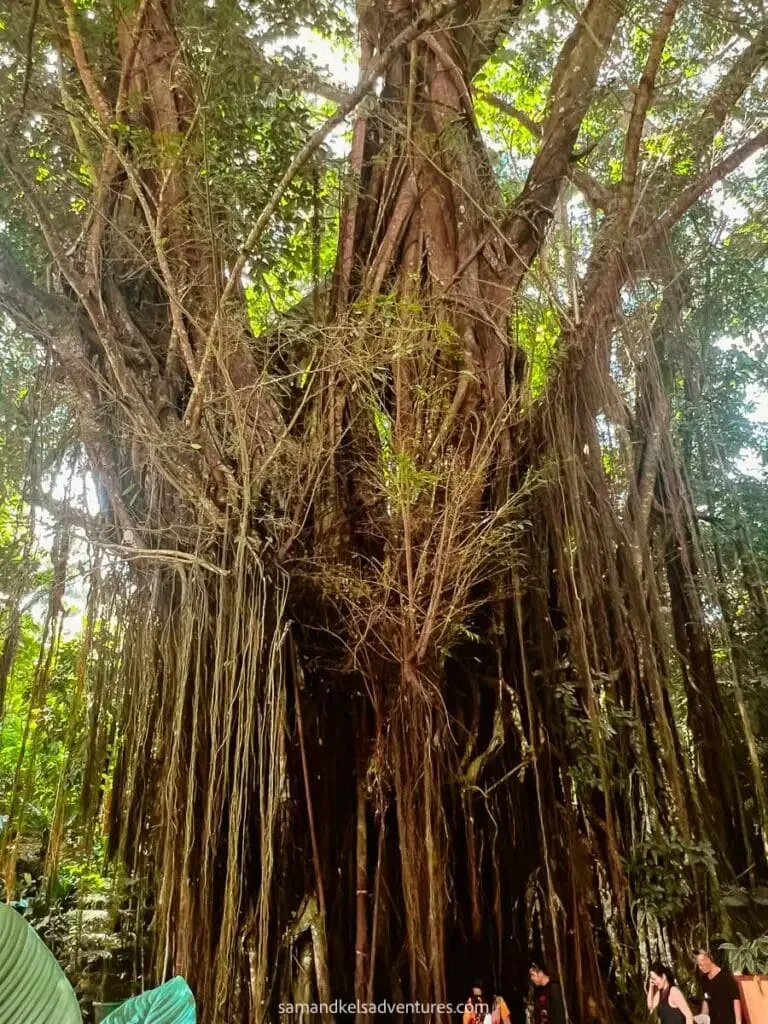
Full Moon in Siquijor: Healing Rituals & Mystical Gatherings
Experience Siquijor's legendary full moon healing rituals. When shamans gather, potions are made, and the island's mystical reputation comes alive.
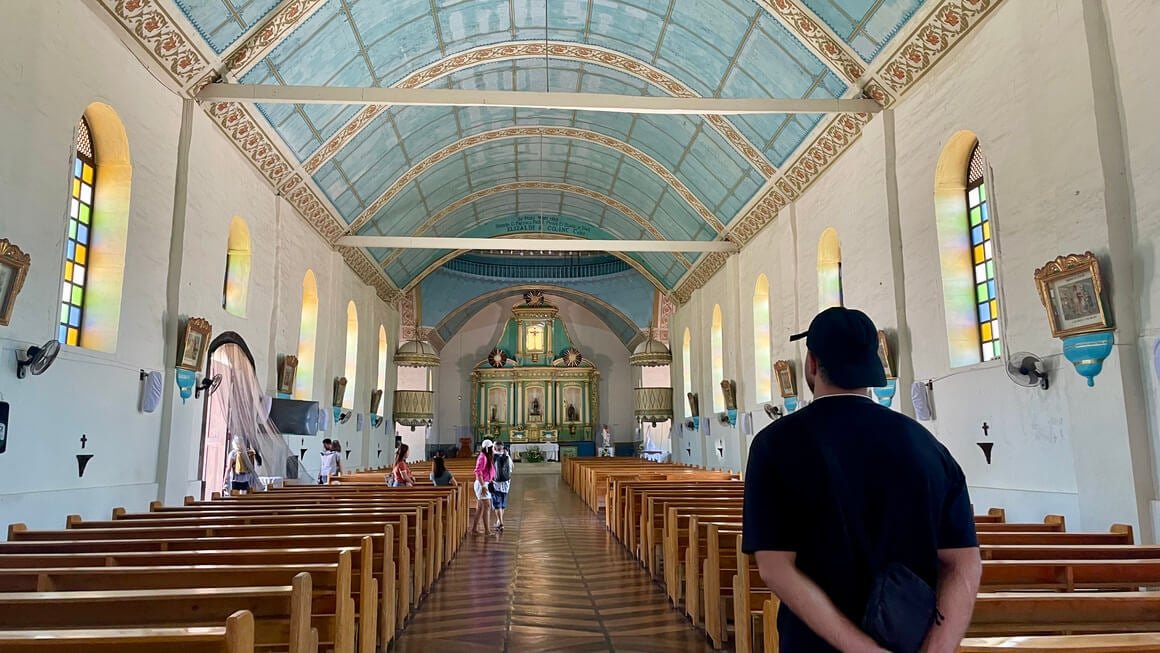
Holy Week in Siquijor: Healing Festivals & Ancient Traditions
Experience Siquijor's unique Holy Week when healers gather, the Black Christ processes through Lazi, and centuries-old traditions come alive.