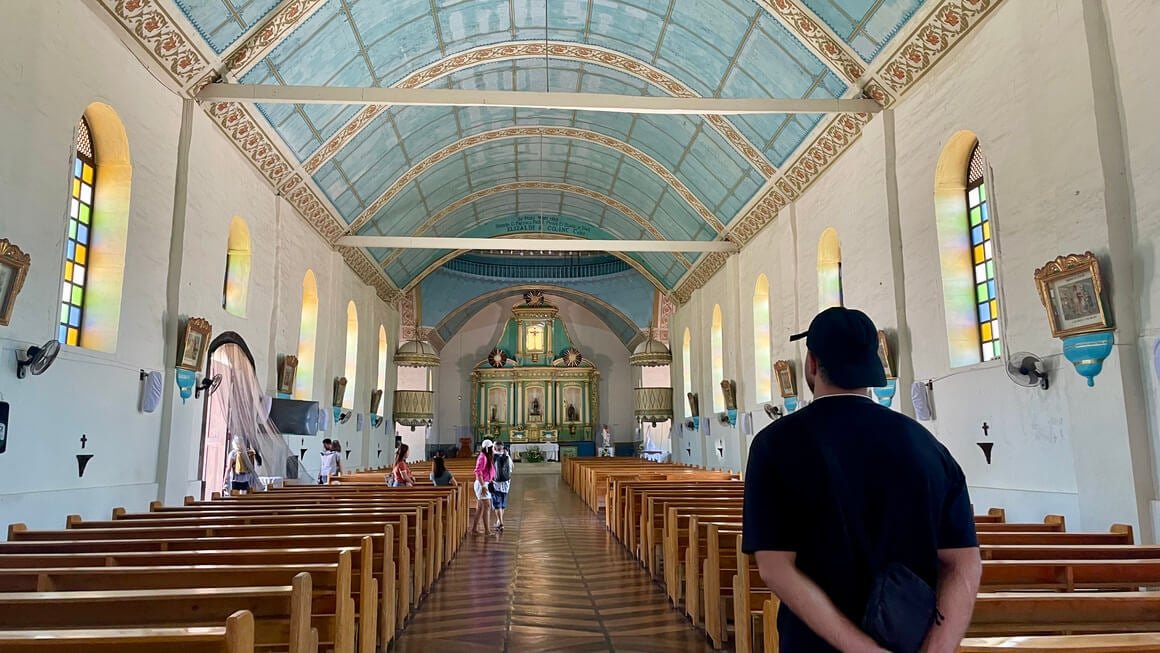
Holy Week in Siquijor: Healing Festivals & Ancient Traditions
Experience Siquijor's unique Holy Week when healers gather, the Black Christ processes through Lazi, and centuries-old traditions come alive.
 Island Adventures Team
 Holy Week in Siquijor: Where Faith and Healing Converge
Every year, during the week leading to Easter, Siquijor transforms. The island’s famous healers emerge from their villages. Filipinos travel from Manila, Cebu, and beyond seeking cures. Churches overflow. Processions wind through streets. And on Black Saturday night, in gatherings that blend Catholicism with pre-colonial practice, something extraordinary happens.
This is Holy Week in Siquijor—the island’s most significant cultural moment and a window into living traditions found nowhere else on Earth.
The Holy Week Calendar
Palm Sunday (Domingo de Ramos)
The week begins with the blessing of palms. Local churches hold morning masses where parishioners carry palm fronds (often woven into crosses or other shapes).
Where: All parish churches, especially Lazi and Siquijor Town When: Morning mass times (typically 6-8 AM) What to expect: Processions, blessing, normal church service
Monday-Wednesday (Lunes-Miyerkoles Santo)
The quieter days of Holy Week. Churches hold evening Lenten services, but the island maintains normal rhythms.
Visitor activities: Beach, diving, waterfalls—all normal operations Afternoon/evening: Church services if interested Healing activity: Healers begin preparation but aren’t gathering publicly
Holy Thursday (Huwebes Santo)
The atmosphere shifts. The Washing of the Feet ceremony commemorates Jesus washing his disciples’ feet. Visita Iglesia (church visiting) traditions begin.
Key events:
- Morning Mass of the Lord’s Supper
- Washing of the Feet ceremony
- Visita Iglesia (visiting multiple churches)
- Altar of Repose veneration
Practical notes: Many businesses close Thursday evening. Stock up on supplies.
Pro Tip
The Visita Iglesia tradition involves visiting seven churches in one evening to pray. In Siquijor, this means circling the island by vehicle—a beautiful nighttime journey connecting all six municipalities.
Good Friday (Biyernes Santo)
The most solemn day. The island goes quiet. Many residents fast and abstain from meat. Some practice traditional penances.
Morning:
- Silence and reflection
- Some self-flagellation practices (rare but present)
- Stations of the Cross walks
Afternoon (3 PM):
- The Passion Play in some locations
- Veneration of the Cross
- Santo Entierro (Holy Burial) procession
The Black Christ Procession (Lazi):
Lazi’s most significant tradition features the Santo Entierro—the image of the dead Christ carried through town in a dramatic evening procession.
Lazi Church Procession Route
The Good Friday evening procession carries the Black Christ through Lazi's streets, accompanied by candlelight, prayers, and the entire community.
Practical notes: Almost everything is closed. Plan meals in advance. Minimal tourist activities appropriate.
Important
Good Friday is deeply sacred. Respect the solemnity. Avoid loud behavior, excessive alcohol, or treating the day as a normal tourist day. Dress conservatively if attending any events.
Black Saturday (Sabado de Gloria)
The pivotal day for Siquijor’s unique traditions. While churches hold vigil services, the island’s healers gather for their most important night of the year.
Church events:
- Easter Vigil Mass (after sunset)
- Blessing of Easter fire and water
- Midnight celebrations
Healing Gatherings:
This is what makes Siquijor’s Holy Week famous. In traditional gathering places—particularly San Antonio—healers congregate for:
- Preparation of healing oils and medicines
- Renewal of healing powers
- All-night ceremonies and treatments
- Passing knowledge to apprentices
The San Antonio Gathering:
The most public and largest gathering. Expect:
- Dozens of healers setting up stations
- Patients lined up for treatments
- Fire, chanting, and ritual
- Mix of genuine practice and tourist-oriented performance
- Activity from sunset through dawn
San Antonio Healing Grounds
The traditional center for Black Saturday healing gatherings. Healers from across the island converge here for all-night ceremonies.
Easter Sunday (Domingo de Pascua)
Celebration replaces solemnity. The Salubong (meeting of the risen Christ and Mary) occurs at dawn. Masses celebrate the resurrection. Families gather for feasts.
Dawn (4-5 AM): Salubong ceremony Morning: Easter masses at all churches Daytime: Feasting, beach activities resume Mood: Joyful, relaxed, celebratory
Experiencing the Healing Traditions
What to Expect at San Antonio
The Black Saturday gathering is the island’s most accessible healing experience:
The Scene:
- Open-air grounds with multiple stations
- Each healer with their specialties
- Lines of Filipinos seeking treatment
- Curious tourists observing
- Fires, candles, smoke from herbal preparations
Common Treatments:
- Bolo-bolo (drinking straw healing)
- Hilot (therapeutic massage)
- Herbal medicine application
- Spiritual consultation
- Oil and potion preparation
Participation:
- You can observe freely
- Participating in treatment requires donation (₱200-1,000 typical)
- Ask permission before photographing
- Expect to wait—Filipinos take priority
Authentic vs. Tourist-Oriented
Reality: The San Antonio gathering has become partially commercialized. Some healers cater specifically to tourists.
Signs of authentic practice:
- Long lines of Filipino patients
- Modest setup without showmanship
- Healer focused on work, not camera
- Donation-based rather than fixed prices
More tourist-oriented:
- English-language explanations
- Photography-friendly positioning
- Fixed prices
- Emphasis on drama
Both exist side by side. Neither is invalid—but know what you’re observing.
Private Healers
Beyond San Antonio, individual healers hold their own Black Saturday rituals:
- More intimate
- Possibly more authentic
- Requires local connections
- Not easily accessible to casual visitors
Ask your accommodation owner if they know of alternatives to the main gathering.
Practical Planning
Booking Accommodation
Book early: 2-3 months ahead minimum for Holy Week. Expect premium pricing: 50-100% higher than normal. Extended minimums: Many places require 3-4 night minimums. Consider alternatives: Dumaguete has more supply if Siquijor fills up.
Transportation
Ferries: Busier than normal. Book seats if possible. Island transport: Tricycles are in demand. Negotiate day rates. Self-drive: Motorcycle rental is most flexible.
Food and Supplies
Good Friday: Most restaurants close. Stock up Thursday. Limited menus: Meat often unavailable Friday. Grocery shopping: Do it Wednesday or early Thursday.
What to Pack
Church visits: Modest clothing (covered shoulders, knees) Processions: Comfortable walking shoes, sun protection Healing gatherings: Mosquito repellent, patience, cash General: Rain gear (weather can shift)
The Religious Experience
For Practicing Catholics
Holy Week in Siquijor offers profound religious observance:
- Traditional Lenten practices maintained
- Beautiful historic churches
- Deeply faithful community
- Unique syncretic elements add dimension
The experience can enrich faith even as it challenges assumptions about “correct” practice.
For Cultural Observers
Non-Catholic visitors find deep cultural significance:
- Living traditions, not museum displays
- Community bonds made visible
- Pre-colonial practices surviving
- Faith as integrated life, not separate activity
For Skeptics
Even skeptics find value:
- Anthropological interest
- Photographic opportunities
- Witnessing genuine belief
- Understanding Philippine culture
The Schedule: A Sample Itinerary
Palm Sunday
- Morning church service (optional)
- Normal tourist activities
- Prepare for week ahead
Monday-Wednesday
- Beach, diving, waterfalls
- Evening church services if interested
- Final normal tourist days
Holy Thursday
- Morning: Last tourist activities
- Afternoon: Supply shopping
- Evening: Visita Iglesia (optional)
Good Friday
- Morning: Rest, reflection
- Afternoon: Santo Entierro procession (Lazi)
- Evening: Quiet contemplation
- Meals: Simple, prepared in advance
Black Saturday
- Daytime: Rest, prepare for late night
- Early evening: Easter Vigil mass (optional)
- Night: San Antonio healing gathering
- Through dawn: Ceremonies continue
Easter Sunday
- Dawn: Salubong (if you didn’t sleep)
- Morning: Church or sleep
- Afternoon: Beach, celebration
- Evening: Feast
The Deeper Meaning
Why Siquijor?
Siquijor’s Holy Week traditions persist because:
- Geographic isolation preserved practices
- Catholic and pre-colonial merged seamlessly
- The healing reputation attracted continued interest
- Community values transmission of tradition
- Tourism now economically supports practice
The Synthesis
What you witness isn’t primitive superstition or corrupt Catholicism. It’s synthetic tradition—conscious blending of belief systems into something that works for practitioners.
The healers are Catholics. They attend mass. They also work with plants, spirits, and energies that the Church officially discourages. They see no contradiction.
Witnessing Without Judgment
The visitor’s task is to observe without imposing interpretation:
- Not validating supernatural claims
- Not dismissing them as fraud
- Simply witnessing what people do and believe
- Respecting without requiring understanding
This is harder than it sounds.
Beyond the Spectacle
The Quiet Moments
Between processions and gatherings, find:
- Elders praying alone in churches
- Families preparing Holy Week foods
- Children learning traditions from grandparents
- The island at its most communal
These moments matter as much as the spectacles.
The Aftermath
After Easter, life normalizes quickly:
- Tourists depart
- Healers return to villages
- Beaches empty somewhat
- The island exhales
If you can extend a few days past Easter, you’ll experience the transition—and lower prices.
A Holy Week Memory
Black Saturday, 11 PM. The San Antonio grounds glow with firelight. Smoke from burning herbs drifts across the crowd. A healer’s chant rises and falls in a language that predates Spanish arrival.
A Filipino woman, perhaps sixty, waits her turn. She’s traveled from Mindanao. She believes this healer can help where hospitals haven’t. Whether that belief is “true” is irrelevant—it’s real to her, and that reality shapes her experience.
Beside her, a tourist films on an iPhone. Somewhere between documentation and voyeurism.
And the healer works, focused, seemingly unaware of either observer. The practice continues because it’s always continued. The full moon rises. The rituals unfold.
This is Siquijor at its most itself—ancient and present, sacred and ordinary, resistant to simple explanation.
For monthly full moon experiences outside Holy Week, see our full moon guide. To understand the healers themselves, read our traditional healer guide.
Frequently Asked Questions
When is Holy Week in Siquijor?
What makes Siquijor's Holy Week special?
Can tourists attend Holy Week events?
How crowded is Holy Week?
Is the island still accessible during Holy Week?
Island Adventures Team
Cultural explorers documenting Siquijor's most significant traditions.
Related Experiences
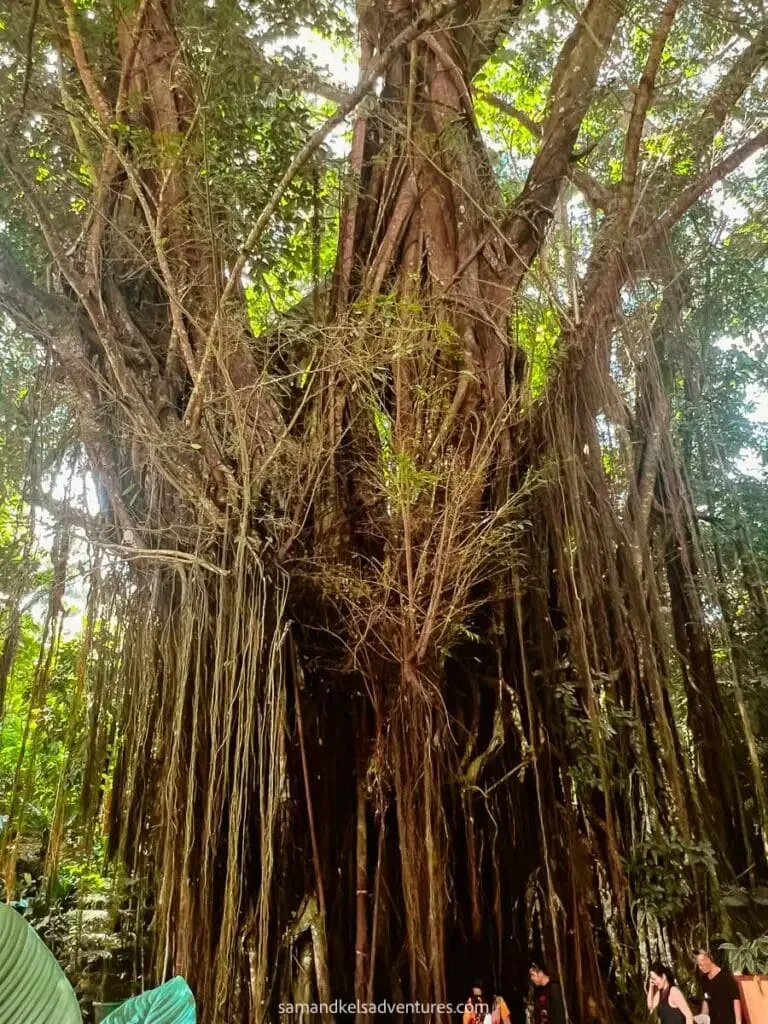
Traditional Healers of Siquijor: A Respectful Visitor's Guide
Understand Siquijor's famous mananambal healers. What they practice, how to visit respectfully, and what to expect from a traditional healing session.
Best Time to Visit Siquijor: Month-by-Month Weather & Events Guide
Plan your perfect Siquijor trip with our comprehensive seasonal guide. Weather patterns, festivals, crowd levels, and activities for each month of the year.
Full Moon in Siquijor: Healing Rituals & Mystical Gatherings
Experience Siquijor's legendary full moon healing rituals. When shamans gather, potions are made, and the island's mystical reputation comes alive.