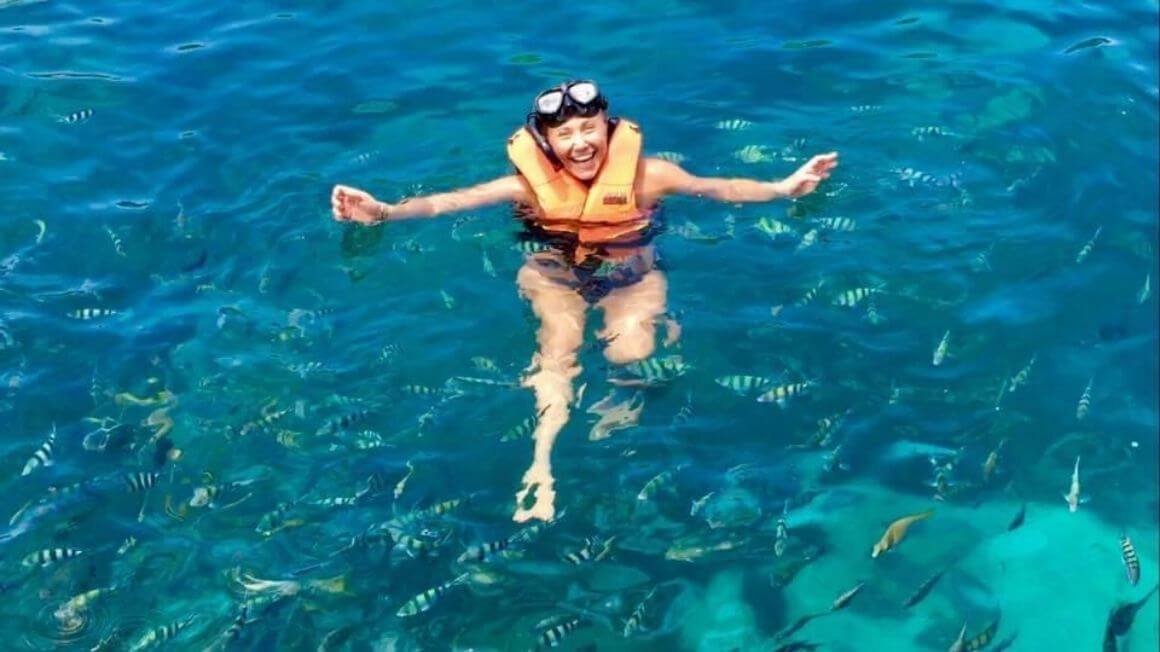
Night Diving in Siquijor: Bioluminescence & Nocturnal Marine Encounters
Experience the magic of Siquijor's underwater world after dark. Discover bioluminescent plankton, hunting octopuses, and sleeping sea turtles on guided night dives.
 Island Adventures Team
 Night Diving in Siquijor: When the Ocean Comes Alive
There’s a moment during every night dive when you turn off your flashlight and let darkness embrace you. In Siquijor’s waters, this darkness isn’t empty—it’s alive with pinpoints of blue-green light swirling around your fingertips. Each movement creates galaxies of bioluminescent plankton, transforming you into a cosmic painter in an underwater universe.
Night diving in Siquijor reveals a completely different island than the one you see during the day. Creatures that spend daylight hours hidden in crevices emerge to hunt, feed, and perform elaborate mating dances. The reef that seemed familiar in afternoon sunlight becomes an alien landscape of shadows, movements, and surprises.
Why Siquijor for Night Diving?
Siquijor’s marine sanctuaries benefit from decades of protection, resulting in some of the healthiest reef systems in the Visayas. The island’s relatively remote location means less boat traffic and light pollution, creating ideal conditions for night dives.
The island’s volcanic origins created underwater topography with walls, caves, and overhangs—perfect hiding spots for nocturnal creatures during the day that become highways of activity after sunset.
Marine Sanctuary Network
Siquijor has established multiple marine protected areas (MPAs) around the island:
- Tubod Marine Sanctuary (San Juan) - Easiest access, best for beginners
- Paliton Marine Sanctuary (San Juan) - Dramatic walls and coral gardens
- Caticugan Marine Sanctuary (Maria) - Pristine and less visited
- Kagusuan Beach Sanctuary (Siquijor Town) - Rich in soft corals
The Nocturnal Cast of Characters
Hunting Octopuses
During the day, octopuses hide in dens, their intelligence focused on staying invisible. At night, they become bold hunters, their chromatophores flashing colors as they stalk prey across the reef. Watch for the sudden pounce—an octopus will spread its web over a coral head, trapping whatever’s beneath.
Pro Tip
Keep your light beam slightly off-center when observing an octopus. Direct light can stress them and end your encounter prematurely. Many octopuses will “pose” if you’re patient and respectful.
Sleeping Sea Turtles
Green and hawksbill turtles wedge themselves into reef crevices to sleep, their metabolism slowed, vulnerable but trusting. Siquijor’s protected waters have healthy turtle populations, and finding a sleeping turtle is common on night dives.
Spanish Dancers
These flamboyant nudibranchs—named for their ruffled, flamenco-like swimming motion—are the celebrities of Philippine night diving. Their crimson bodies can reach 30cm, and watching one “dance” through your light beam is unforgettable.
The Bioluminescence Show
Dinoflagellates, the single-celled organisms responsible for bioluminescence, are triggered by movement. During your safety stop, turn off all lights and wave your hands slowly. The resulting display is worth any amount of nitrogen off-gassing time.
Best Night Dive Sites
Tubod Marine Sanctuary
The most accessible site, with easy entry from the beach and a gentle slope perfect for night diving orientation. Rich in nudibranchs and crustaceans.
Paliton Wall
A vertical wall drops from 5m to 40m, perfect for observing pelagics and larger nocturnal predators. Requires boat access and intermediate experience.
Sandugan Point
Known for its basket stars and feather stars that emerge at night, creating an underwater forest effect. Excellent macro photography site.
Preparing for Your Night Dive
Certification Requirements
All divers must hold at minimum an Open Water certification, though Advanced Open Water with the Night Diver specialty is recommended. Local dive shops will ask about your experience level and recent diving history.
If you have fewer than 10 dives logged, consider doing a few day dives in Siquijor first to:
- Adjust to local conditions
- Test your buoyancy with the weights provided
- Build rapport with your guide
Equipment Checklist
Your dive shop will provide most equipment, but understanding the gear helps you stay safe:
Primary Light (1000+ lumens recommended)
- Wrist or hand-mounted
- Battery check before every dive
- Practice on/off switch manipulation with gloves if needed
Backup Light
- Smaller, belt-mounted
- Fresh batteries installed
- Tested before descending
Tank Light or Glow Stick
- Attached to tank valve or BCD
- Allows your buddy and guide to track you
- Chemical glow sticks are single-use but reliable
Important
Never rely on a single light source. Equipment fails, batteries die, and panic in complete underwater darkness is dangerous. Your backup light should be accessible with one hand.
What to Expect on a Guided Night Dive
Pre-Dive Briefing
Expect a thorough briefing covering:
- Site topography and navigation plan
- Light signals (circular motion = OK, rapid side-to-side = emergency)
- Maximum depth and dive time
- Buddy separation procedures
- Marine life identification tips
The Dive Sequence
Sunset Entry (6:30-7:00 PM) Many operators prefer entering before full darkness. This allows you to orient yourself to the site while some light remains, watching the transition from day to night creatures.
Descent and Exploration (45-60 minutes) Night dives are typically shorter than day dives due to the additional stress and air consumption. Expect to cover less distance but observe more closely.
Safety Stop and Bioluminescence The 3-5 minute safety stop at 5 meters is when guides often signal to turn off lights for the bioluminescence experience.
Post-Dive
Most shops provide hot tea or chocolate after night dives. The debrief usually includes species identification discussion and camera sharing if there were photographers in the group.
Photography Tips for Night Diving
Night diving presents unique challenges and opportunities for underwater photographers:
Camera Settings Starting Points
- ISO: 400-800 (higher than day dives)
- Aperture: f/8 to f/11 for macro, wider for wide-angle
- Shutter Speed: 1/125s minimum to prevent motion blur
- Focus: Switch to manual if autofocus struggles
Lighting Techniques
Snoot Photography: Using a focused beam creates dramatic spotlight effects on small subjects. DIY snoots can be made from plastic tubes.
Backscatter Prevention: Position your strobes far from your camera to minimize backscatter from particles in the water. Night diving often stirs up more sediment.
Focus Light Considerations: Some photographers use a red focus light, as many marine creatures can’t see red wavelengths and won’t flee.
Pro Tip
For bioluminescence photography, use long exposures (2-10 seconds), high ISO (1600-6400), and a stable platform. Some photographers bring mini tripods or bean bags for resting the camera on sandy bottoms.
Dive Operators in Siquijor
Several reputable dive shops offer night diving:
Raggea Dive Center (San Juan)
- Night dives: ₱2,800 including equipment
- Small groups (max 4 divers)
- Specializes in macro life
Easy Diving (San Juan)
- Night dives: ₱3,200 including equipment
- PADI Night Diver specialty courses
- Photography-friendly guides
Ocean Safari (Larena)
- Night dives: ₱2,500 including equipment
- Access to northern dive sites
- Boat night dives available
Safety Considerations
Physical Preparedness
Night diving is more mentally demanding than day diving. Ensure you:
- Are well-rested (no diving while fatigued)
- Have eaten a light meal 2-3 hours prior
- Are properly hydrated
- Haven’t consumed alcohol that day
Marine Life Hazards
Most marine life is more interested in escaping than confronting divers, but awareness helps:
Stonefish and Scorpionfish: More active at night, lying in wait for prey. Maintain neutral buoyancy and avoid touching the bottom.
Sea Urchins: Their spines are just as sharp in darkness. Watch where you place your hands.
Crown-of-Thorns Starfish: Venomous spines can penetrate wetsuits. Avoid contact with any starfish.
Important
Fire coral and hydroids can be difficult to spot in the limited visibility of a flashlight beam. Keep your hands to yourself and maintain proper buoyancy at all times.
Emergency Procedures
Establish clear communication with your guide before the dive:
- Surface signal location (usually the boat or shore with lights)
- What to do if separated (ascend slowly, surface, flash light, wait)
- Emergency oxygen location on boat
- Nearest hyperbaric chamber (Dumaguete)
The Bioluminescence Phenomenon
The blue-green glow that makes Siquijor night dives magical comes from dinoflagellates—microscopic organisms that produce light through a chemical reaction when disturbed. Think of it as the ocean’s version of fireflies.
Peak Viewing Conditions
- Moon Phase: New moon provides darkest conditions
- Season: March through June is optimal
- Weather: Calm seas with minimal wave action
- Location: Away from artificial light sources
The Experience
Words don’t capture the sensation of swimming through bioluminescence. Each kick of your fins creates a trailing comet of light. Each hand movement sparks constellations. During peak conditions, even the fish swimming nearby create glowing trails.
Some divers describe it as swimming through stars. Others say it’s like being inside a living firework. Whatever metaphor you choose, it’s an experience that rewrites your understanding of what the ocean can be.
Planning Your Night Diving Trip
When to Come
The dry season (November to May) offers the best conditions, with peak diving from March to early June when seas are calmest. Avoid typhoon season (July to October) when conditions can be unpredictable.
Booking Recommendations
- Book night dives 2-3 days in advance during peak season
- Request a private guide if it’s your first night dive
- Ask about combo packages (day dive + night dive)
- Confirm all equipment is included in the quoted price
After the Dive
Night diving depletes energy. Plan a light dinner nearby—several restaurants in San Juan stay open late specifically for divers. Avoid alcohol for at least 4 hours post-dive, and don’t fly for 18-24 hours after your last dive.
A Different Kind of Magic
Siquijor is known on the surface for its mystical healers and folklore. But the real magic might be underwater, where bioluminescence turns the ocean into a living light show and creatures emerge from hiding to reveal behaviors never seen in daylight.
Night diving isn’t for everyone. It requires comfort with darkness, trust in your equipment, and a willingness to embrace the unknown. But for those who make the descent, Siquijor’s underwater night world offers experiences that reshape how you think about the ocean—and your place within it.
The reef is waiting. The octopuses are hunting. The plankton are ready to glow. All you need to do is go under.
Ready to explore Siquijor’s underwater world during the day first? Check out our guide to underwater photography spots or cool off above the surface with cliff jumping at Salagdoong.
Frequently Asked Questions
Do I need special certification for night diving in Siquijor?
When is the best time to see bioluminescence?
What marine life can I expect to see at night?
How much does a night dive in Siquijor cost?
Is night diving in Siquijor safe?
What should I bring for a night dive?
Island Adventures Team
Local dive instructors and marine enthusiasts sharing the best of Siquijor's underwater world.
Related Experiences
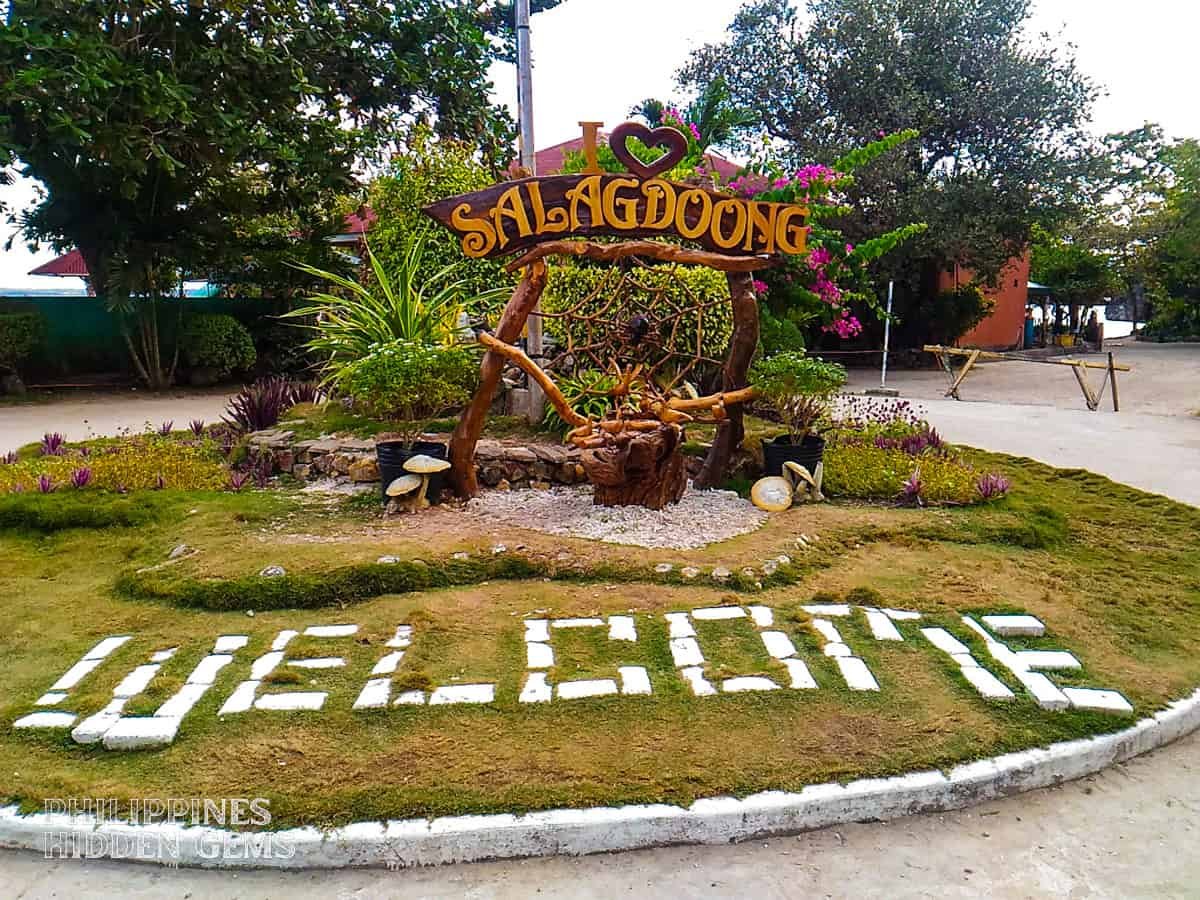
Cliff Jumping at Salagdoong Beach
Your complete guide to cliff jumping at Salagdoong Beach - Siquijor's most thrilling adventure with platforms at 5m, 8m, and 10m heights.
Stand-Up Paddleboarding in Siquijor: Best Spots & Rental Guide
Discover the best SUP spots in Siquijor, from calm lagoons to mangrove explorations. Complete guide to rentals, techniques, and hidden paddling destinations.
Underwater Photography in Siquijor: Dive Site Photo Guide
Master underwater photography at Siquijor's top dive sites. Camera settings, best sites for different subjects, and tips for capturing the island's marine life.