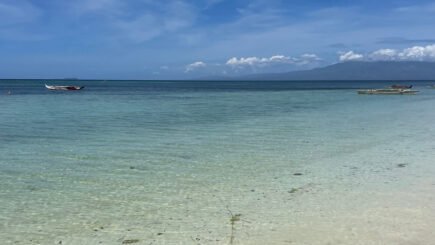
Best Time to Visit Siquijor: Month-by-Month Weather & Events Guide
Plan your perfect Siquijor trip with our comprehensive seasonal guide. Weather patterns, festivals, crowd levels, and activities for each month of the year.
 Island Adventures Team
 Best Time to Visit Siquijor: The Complete Seasonal Guide
“When should I go?” It’s the most common Siquijor planning question—and the answer depends on what you’re seeking. Crystal diving conditions? March-May. Empty beaches? September-October. Cultural immersion? Holy Week. There’s no wrong time to visit this island; there are only different experiences.
This guide breaks down every month, revealing what each season offers and helping you match your travel style to Siquijor’s rhythms.
The Quick Answer
Best overall: March to May (dry, calm seas, peak conditions) Best value: September to November (lowest prices, manageable weather) Best cultural experience: Holy Week (unique healing festivals) Best diving: March to June (optimal visibility) Avoid if possible: Late September/October (wettest period)
Understanding Siquijor’s Climate
Geographic Advantage
Siquijor sits at 9°N latitude in the central Visayas—south of the main typhoon highway that affects Luzon and the northern Philippines. This position provides:
- Fewer direct typhoon impacts
- Less dramatic wet/dry season contrast than Manila
- Generally calmer conditions than more exposed islands
- Consistent tropical warmth year-round
The Two Seasons
Dry Season (Amihan): November to May
- Northeast monsoon brings dry conditions
- Cooler, less humid
- Calm seas, especially March-May
- Best for outdoor activities
Wet Season (Habagat): June to October
- Southwest monsoon brings moisture
- Warmer, more humid
- Afternoon/evening showers typical
- Rougher seas possible
Temperature Reality
Unlike temperate destinations, Siquijor doesn’t have cold and hot seasons:
| Month | Average High | Average Low | Sea Temp |
|---|---|---|---|
| January | 30°C (86°F) | 25°C (77°F) | 27°C |
| April | 33°C (91°F) | 26°C (79°F) | 29°C |
| July | 31°C (88°F) | 26°C (79°F) | 28°C |
| October | 31°C (88°F) | 25°C (77°F) | 28°C |
The “cool” season (December-February) is barely noticeable—you might wear a light layer in the evening.
Month-by-Month Breakdown
January
Weather: Dry, comfortable. Possible brief showers from tail-end of northeast monsoon. Coolest month—pleasant for activities.
Crowds: Moderate to high. European winter escapees arrive. New Year travelers departing, Chinese New Year travelers arriving (late January).
Prices: Standard high season rates.
Activities: Excellent for all activities. Good diving visibility. Comfortable temperatures for hiking.
Events: Fiesta celebrations in some barangays. Three Kings (January 6) observances.
Pro Tip
January is ideal for visitors who want dry conditions without the intense heat of March-May. Cooler evenings make sleeping without air conditioning more pleasant.
February
Weather: Dry, warming. Almost no rain. Winds calming. Excellent conditions across the board.
Crowds: Moderate. Post-New Year lull before Holy Week buildup. Good balance of services available without overcrowding.
Prices: Standard high season.
Activities: Perfect diving month. Visibility often at its best. Comfortable for waterfall visits and hiking.
Events: Valentine’s Day is celebrated; some resorts offer packages.
March
Weather: Peak dry season. Hot but not yet at maximum. Calm seas. Clearest water visibility.
Crowds: Building toward Holy Week (which can fall in March or April). Book ahead if traveling during Holy Week.
Prices: Rising, especially around Easter.
Activities: Prime time for diving, snorkeling, and photography. Water is crystal clear. Best conditions for cliff jumping.
Events: Holy Week brings unique healing rituals and the famous Black Christ procession in Lazi.
April
Weather: Hottest month. Very dry. Intense sun. Calm seas continue.
Crowds: Peak around Holy Week (if in April). High Filipino domestic tourism. Busy beaches.
Prices: Highest of the year, especially Holy Week week.
Activities: All water activities at their best. Midday heat makes morning and late afternoon the active times. Indoor/shaded activities for midday.
Events: Holy Week is the cultural highlight. Traditional healers hold public gatherings. Church ceremonies throughout.
Important
Holy Week accommodation sells out months in advance. If this is your target time, book 3-6 months ahead.
May
Weather: Still dry but slightly more humid. Transition toward rainy season. Occasional brief showers begin late May.
Crowds: Dropping as Europeans return home and before Filipino summer vacation ends.
Prices: Lowering from peak.
Activities: Still excellent for everything. Last chance for guaranteed dry conditions. Flores de Mayo religious celebrations.
Events: Flores de Mayo (flower festivals) throughout the month. Local fiestas.
June
Weather: Rainy season begins. Morning often clear; afternoon showers more common. Humidity increases.
Crowds: Low season starting. European visitors rare. Some domestic travelers.
Prices: Shoulder season—good deals available.
Activities: Diving still good; visibility slightly reduced. Waterfalls flow more powerfully. Green landscapes.
Events: Philippine Independence Day (June 12). Occasional local fiestas.
Pro Tip
June is underrated. You’ll likely experience morning sun, afternoon shower, evening clearing. Waterfalls are at their most impressive volume.
July
Weather: Wet season in effect. Multiple rainy days per week. Seas can be rough; ferry cancellations possible.
Crowds: Low. Mainly adventurous travelers and those with flexible schedules.
Prices: Low season rates. Negotiate.
Activities: Rainy days limit some activities but create dramatic photography. Waterfall thunder. Green overload.
Events: Few tourist-focused events.
August
Weather: Continued wet season. Typhoon season begins affecting the broader Philippines (Siquijor itself is rarely hit directly, but ferries may be disrupted).
Crowds: Very low. Quiet island.
Prices: Lowest of the year.
Activities: Weather-dependent. Great for readers and those seeking solitude. Cave exploration unaffected by rain.
Events: Kadayawan-inspired local celebrations.
September
Weather: Wettest period. Regular rain, sometimes all day. Typhoons in broader region can cause ferry delays.
Crowds: Very low.
Prices: Very low—best deals of the year.
Activities: Limited outdoor activities. Good for flexible travelers with backup plans. Cultural exploration continues regardless.
Events: Minimal tourist events.
Important
September travel requires flexibility. Have 2-3 backup activity days in your itinerary. Ferry cancellations are possible.
October
Weather: Still wet early October, improving late October. Transition month. Can be unpredictable.
Crowds: Still low.
Prices: Low, rising toward month’s end.
Activities: Improving conditions as month progresses. Water visibility increasing.
Events: Halloween (Filipino style—cemetery visits rather than costumes).
November
Weather: Transition to dry season. Rain decreasing, humidity dropping. Generally pleasant conditions returning.
Crowds: Low but increasing. Advance-booking travelers arriving.
Prices: Shoulder season—good value with improving conditions.
Activities: Good for everything. Diving conditions improving. Comfortable temperatures returning.
Events: All Saints’/All Souls’ Day (Nov 1-2) important locally.
Pro Tip
November offers the best value proposition—conditions nearly as good as peak season at 30-50% lower prices. Our top recommendation for budget-conscious travelers.
December
Weather: Dry season established. Pleasant temperatures. Cool evenings. Christmas/holiday atmosphere.
Crowds: Building through month. Peak around Christmas/New Year.
Prices: Rising to peak.
Activities: Excellent for all activities. Comfortable temperatures for hiking.
Events: Christmas festivities. Simbang Gabi (dawn masses). New Year celebrations.
Choosing Your Time: By Priority
Best Weather: March-May
- Driest conditions
- Calmest seas
- Clearest water
- Trade-off: Heat, highest prices, crowds
Best Value: September-November
- Lowest prices
- Emptiest beaches
- Most authentic local experience
- Trade-off: Weather uncertainty, some activity limitations
Best Diving: March-June
- Peak visibility (20-30m)
- Calm surfaces
- Most marine life activity (spawning seasons)
- Trade-off: Prices higher March-May
Best Hiking: December-February
- Cooler temperatures
- Dry trails
- Comfortable exertion
- Trade-off: Peak crowd times overlap
Best Cultural Experience: Holy Week
- Unique healing traditions
- Living culture, not performance
- Deep religious observance
- Trade-off: Highest crowds, highest prices, requires advance planning
Best Waterfalls: June-July
- Maximum water flow
- Dramatic cascades
- Green surroundings
- Trade-off: Weather unpredictability, reduced swimming appeal
Crowd Patterns
Highest Crowds
- Holy Week (late March/April)
- Christmas-New Year (Dec 20-Jan 5)
- Chinese New Year (late January/early February)
- Korean holiday periods (varies)
Lowest Crowds
- September
- October
- Early November
- Late June-August (outside weekends)
Crowd Management Tips
- Arrive at popular spots early (7-8 AM)
- Visit on weekdays rather than weekends
- Stay in San Juan for widest beach access
- Book in advance even in low season (limited options can fill)
Special Considerations
Typhoons
Siquijor’s southern position means fewer direct hits than northern Philippines, but:
- Ferries may cancel with distant typhoons
- Heavy rain possible from nearby storms
- June-November highest risk
- Check PAG-ASA (Philippine weather bureau) before booking
Festivals Worth Planning Around
Holy Week (March/April): If cultural experience is your priority, this is unmissable. The island’s healing traditions are most publicly expressed during this week.
Barangay Fiestas: Every barangay has its patron saint’s feast day. Dates vary—check locally for your travel dates.
Diving Seasons
Peak: March-June (visibility 20-30m, calm seas) Good: November-February (visibility 15-25m, occasional chop) Variable: July-October (visibility 10-20m, possible cancellations)
Our Recommendations
First-Time Visitors
March-May: Experience the island at its best. Higher prices and crowds are worth the guaranteed excellent conditions.
Budget Travelers
November or early December: Sweet spot of good conditions and reasonable prices before Christmas rush.
Photographers
March-April or November: Best light conditions. March-April for dry landscapes, November for post-rain green.
Cultural Travelers
Holy Week: Nothing else compares for understanding Siquijor’s unique traditions.
Adventure Seekers
February-April: Calm seas for diving, cliff jumping at best conditions, cave exploration safe.
Solo Travelers
Low season (Sept-Nov): Easier connections with locals, more personal experiences.
The Bottom Line
Siquijor isn’t a destination with a narrow “best” window—it’s a year-round destination with seasonal personality shifts. Dry season delivers picture-perfect conditions; wet season offers solitude and savings. Holy Week provides cultural depth no other time can match.
The wrong time to visit Siquijor is never. The right time is whenever you can make the journey.
Traveling during the rainy season? Our rainy season guide shows you how to make the most of off-peak conditions. For first-timers, our solo travel guide covers all the logistics.
Frequently Asked Questions
When is the best time to visit Siquijor?
Does Siquijor have a rainy season?
Is Siquijor affected by typhoons?
When is peak tourist season in Siquijor?
What are Siquijor's average temperatures?
Island Adventures Team
Seasonal travel experts helping you time your Siquijor visit perfectly.
Related Experiences
Siquijor Safety Guide: Practical Tips for Worry-Free Travel
Everything you need to know about safety in Siquijor. Health, transportation, natural hazards, and the truth about the island's 'mystical' reputation.

Solo Travel in Siquijor 2026: The Independent Explorer's Guide
Everything solo travelers need to know about Siquijor in 2026: safety, accommodation, making connections, and why the island is perfect for independent exploration.
Siquijor in Rainy Season: Making the Most of Off-Peak Travel
Discover the advantages of visiting Siquijor during the wet season. Lower prices, fewer crowds, lush landscapes, and activities that work regardless of weather.