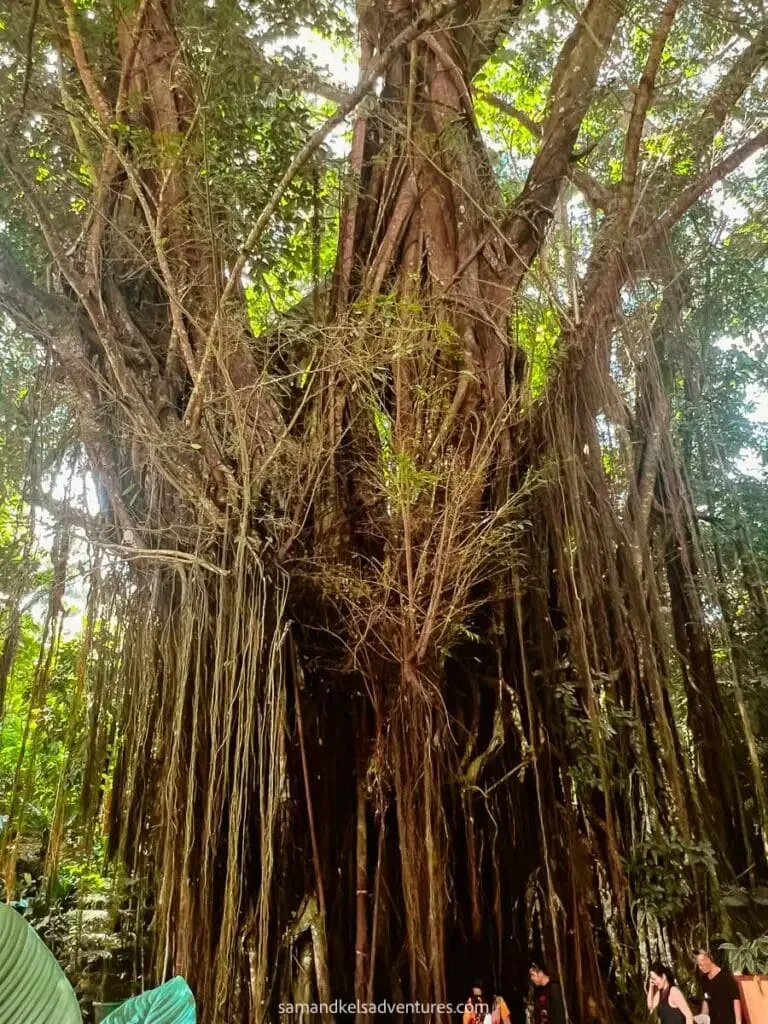
Full Moon in Siquijor: Healing Rituals & Mystical Gatherings
Experience Siquijor's legendary full moon healing rituals. When shamans gather, potions are made, and the island's mystical reputation comes alive.
 Island Adventures Team
 Full Moon in Siquijor: When Mysticism Wakes
Every month, as the moon reaches fullness over Siquijor, something shifts. Healers who work quietly during ordinary weeks feel the pull. Medicinal plants are harvested at their peak potency. And those who keep the old ways gather to practice traditions passed down through generations.
This is the island’s mystical reputation made manifest—not a tourist show, but a living practice that predates colonization and persists despite modernity.
The Legend and Reality
Siquijor’s Reputation
Siquijor has long been known throughout the Philippines as a center of folk medicine and, more ominously, dark magic. Filipinos from other islands speak of Siquijor’s mangkukulam (witches) and aswang (supernatural creatures) with a mix of fear and fascination.
The reality is more nuanced. Siquijor’s isolation allowed pre-colonial healing traditions to survive longer than elsewhere. What visitors often perceive as mysticism is actually an intact system of herbalism, massage, and spiritual practice that was once common throughout the archipelago.
The Mananambal
The island’s healers are called mananambal (plural: mamamananambal). They are:
- Herbalists who know medicinal plants
- Massage therapists who manipulate the body
- Spiritual practitioners who communicate with unseen forces
- Counselors who listen and advise
- Community members with inherited knowledge
Most are Catholic, seeing no contradiction between Church and traditional practice. The syncretism is itself centuries old.
The Full Moon Connection
Full moon gatherings have roots in:
- Lunar influence on plant medicine potency
- Community gathering traditions
- Spiritual beliefs about heightened energy
- Practical considerations (light for nighttime activities)
Whether the moon genuinely affects healing efficacy is debated. That practitioners believe it does is undeniable.
What Happens at Full Moon
Herbal Medicine Preparation
The full moon is traditionally considered the optimal time for:
- Harvesting medicinal plants
- Preparing tinctures and oils
- Creating lana (healing oils)
- Mixing potions and remedies
Some healers time their major preparations to the lunar cycle, believing plant properties are strongest.
Bolo-Bolo Ritual
The most famous Siquijor healing technique involves:
- A glass of water placed over the patient’s affected area
- The healer blows through a bamboo straw into the water
- Dark residue appears in the water (the “illness” being removed)
- The water is discarded, taking the illness with it
Pro Tip
Skeptics note that the dark residue may come from the straw or healer’s mouth. But even skeptics often report feeling different after the ritual—suggesting the psychological/spiritual component has its own power.
Massage and Manipulation
Hilot (traditional massage) is practiced widely on the island. During full moon periods, some healers offer extended sessions or address more serious conditions they wouldn’t tackle during ordinary times.
Community Gatherings
In some villages, full moons bring informal gatherings:
- Shared meals
- Storytelling
- Communal prayer
- Transmission of knowledge to younger generations
These are not tourist events—they’re community moments that visitors occasionally witness.
Holy Week: The Biggest Gathering
The most significant healing activities occur during Holy Week (Semana Santa), which contains the full moon closest to Easter.
Black Saturday Tradition
The night before Easter Sunday is believed to be when healing powers peak. At sites like San Antonio’s famous gathering:
- Hundreds of healers converge
- Patients travel from across the Philippines
- All-night ceremonies occur
- New remedies are prepared for the year
This gathering has become partially commercialized, with some performative elements for tourists. But amid the tourism, genuine practitioners still work.
San Antonio Healing Grounds
The traditional gathering place for Holy Week healing ceremonies. Most activity occurs Black Saturday night into Easter Sunday morning.
Finding Authentic Experiences
Monthly Full Moons
Outside Holy Week, full moon activity is more dispersed and private. To experience it:
Ask Locally: Your accommodation owner, dive shop staff, or motorcycle rental guy may know healers. Word of mouth is the primary referral system.
Visit Known Healers: Some healers welcome visitors by appointment regardless of moon phase. Full moon visits may be more ceremonially significant.
Don’t Push: If a healer is working privately and doesn’t want observers, respect that. Not everything is for outsiders to see.
Red Flags
Be cautious of:
- “Healers” who approach tourists aggressively
- Fixed prices for ceremonies (authentic practice often works on donation)
- Performances that feel rehearsed and theatrical
- Anyone guaranteeing specific outcomes
Authentic healers are often humble and hesitant about strangers. The eager ones may be oriented toward tourist income.
Green Lights
Encouraging signs:
- Referral from locals who’ve used the healer themselves
- The healer has a local practice with local patients
- Modest setting, not designed for tourists
- Reluctance to promise specific results
- Donation-based rather than fixed-price
Observing Respectfully
Attitude
Approach with:
- Genuine curiosity rather than condescension
- Respect for beliefs you may not share
- Willingness to participate rather than just observe
- Understanding that you’re a guest
Practical Etiquette
- Ask before photographing anything
- Dress modestly (covered shoulders, knee-length at minimum)
- Bring cash for donations/offerings
- Turn off phone notifications
- Be patient—timing is flexible
- Follow guidance from your host/healer
What to Expect
Experiences vary widely, but common elements:
Initial consultation: The healer may ask about your concerns, physical or otherwise.
Observation: You may watch others being treated while waiting.
Treatment: If you participate, it may involve massage, oil application, prayer, or ritual.
Advice: Healers often give lifestyle or spiritual guidance.
Exchange: Leave a donation that feels appropriate. ₱500-1,000 is typical for substantial sessions.
Important
Never substitute folk healing for necessary medical care. Siquijor’s healers are best approached for spiritual/emotional concerns, relaxation, and cultural experience—not for diagnosing or treating serious medical conditions.
The Skeptic’s Experience
You don’t need to believe in mystical healing to find value in full moon Siquijor:
As Anthropology
These practices represent living cultural heritage. Observing them is witnessing something that exists almost nowhere else in Southeast Asia in this form.
As Psychology
The rituals engage placebo effect, therapeutic touch, and the power of focused attention. Even skeptics often report feeling relaxed, cared for, or emotionally moved.
As Community
Healing in Siquijor is social. Being welcomed into a gathering connects you with local life in ways tourist activities cannot.
As Story
Whatever you believe, you’ll leave with an experience to tell. That story has value.
Personal Experiences
What Visitors Report
Common experiences visitors share:
- Deep relaxation similar to spa treatments
- Emotional release (sometimes unexpected tears)
- Vivid dreams the night after
- Sense of clarity or perspective
- Skepticism that softens (if not dissolves)
What Doesn’t Typically Happen
- Dramatic healings of serious conditions
- Obvious evidence of supernatural phenomena
- Anything that resembles Hollywood depictions of magic
The experience is usually subtler and more psychological than spectacular.
Planning Your Visit
Timing
Full moon dates for your travel period can be found on any lunar calendar. Plan to arrive a day or two before to arrange experiences.
Most active period: Black Saturday (Holy Week)—but also most crowded and commercialized.
Quieter alternative: Any other full moon, arranged through local connections.
Where to Stay
San Juan area: Most tourist infrastructure, good base for exploring.
Siquijor Town area: Closer to some healing communities.
Interior villages: For truly immersive experience (limited comfort).
Arranging Visits
Through accommodation: Some hotels have healer relationships.
Through guides: Multi-day guides may include healer visits.
Independently: Ask locals; be patient; accept uncertainty.
Beyond Tourism
The Tradition’s Future
Siquijor’s healing traditions face pressures:
- Young people leave for city opportunities
- Modern medicine competes for credibility
- Tourism distorts practice toward performance
- Catholic Church periodically discourages
Yet the tradition persists, adapting as it has for centuries.
Being a Good Guest
Visitors who come respectfully, pay fairly, and approach with genuine interest contribute positively. Those who come seeking exotic performance or taking without giving do harm.
Your visit is a choice about which dynamic to support.
A Full Moon Night
The moon rises fat and yellow over the Bohol Sea. In a village house, a healer unwraps bundles of leaves collected that afternoon—when, she says, the plant spirits were most awake. A small fire burns. The smell of herbs fills the room.
She prays—in Cebuano, in Latin, in something older than either. Her hands move over a patient’s body, firm and knowing. Outside, dogs bark. Children play. The ordinary and extraordinary coexist.
This is not spectacle. This is Tuesday—or rather, full moon Tuesday—in Siquijor. The island doesn’t perform its mysticism. It lives it.
Whether you believe doesn’t much matter. What matters is whether you can witness with respect, curiosity, and openness. That is enough.
For the most significant healing gatherings, see our Holy Week guide. To understand healers more deeply, read our guide to traditional mananambal.
Frequently Asked Questions
Are Siquijor's full moon rituals open to tourists?
What happens during full moon healing ceremonies?
Is the healing real or just for tourists?
When is the next full moon in Siquijor?
Do I need to believe in the healing for it to work?
Island Adventures Team
Cultural explorers documenting Siquijor's unique spiritual traditions.
Related Experiences
Traditional Healers of Siquijor: A Respectful Visitor's Guide
Understand Siquijor's famous mananambal healers. What they practice, how to visit respectfully, and what to expect from a traditional healing session.
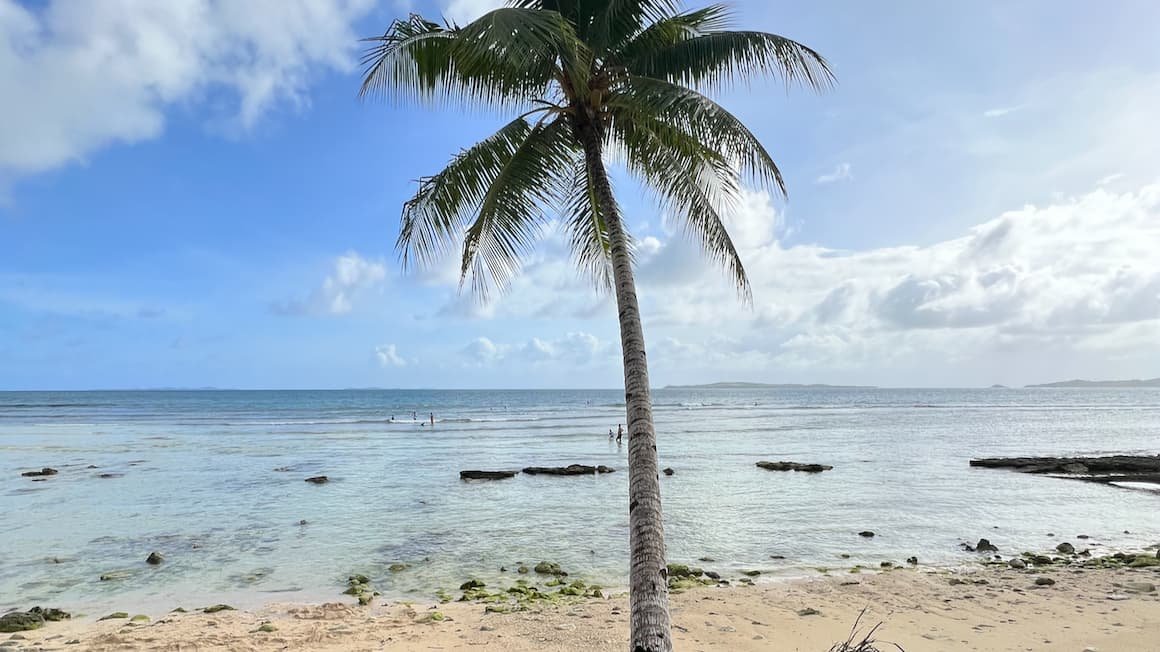
Wellness & Yoga in Siquijor: Retreats, Healing & Self-Care
Discover Siquijor's wellness offerings from yoga retreats to traditional healing. Find the island's best spots for rejuvenation, meditation, and holistic health.
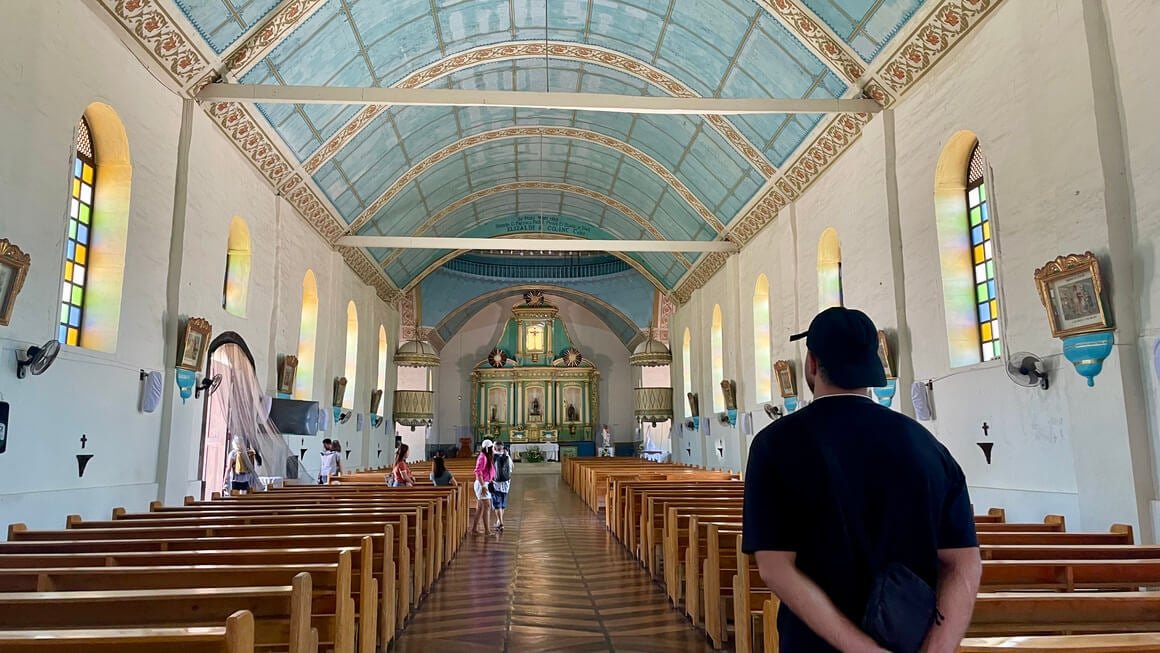
Holy Week in Siquijor: Healing Festivals & Ancient Traditions
Experience Siquijor's unique Holy Week when healers gather, the Black Christ processes through Lazi, and centuries-old traditions come alive.