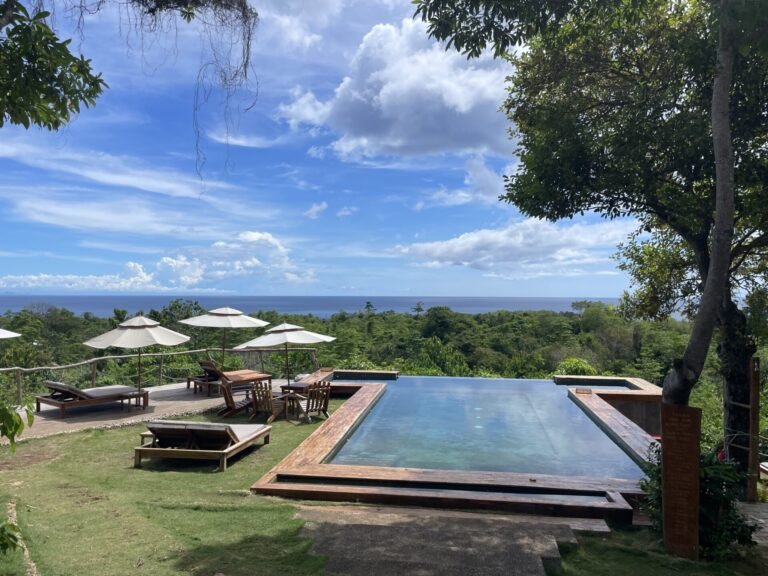
Siquijor Safety Guide: Practical Tips for Worry-Free Travel
Everything you need to know about safety in Siquijor. Health, transportation, natural hazards, and the truth about the island's 'mystical' reputation.
 Island Adventures Team
 Siquijor Safety Guide: The Honest Reality
Let’s address the elephant in the room: Siquijor has a reputation throughout the Philippines as a mysterious island of witches and dark magic. Some Filipinos refuse to visit. Horror movies have been set here.
The reality? Siquijor is one of the safest destinations in the Philippines. The “mystical” reputation relates to traditional healing practices, not actual danger. You’re far more likely to be harmed by sunburn than supernatural forces.
This guide covers real safety considerations—practical, honest, and useful.
Overall Safety Assessment
Crime
Violent crime: Essentially nonexistent against tourists. We found no documented cases of assaults, robberies at gunpoint, or similar crimes against visitors.
Petty theft: Uncommon but not impossible. Standard precautions apply—don’t leave valuables unattended, lock rooms, keep cash secured.
Scams: Less common than in tourist-heavy areas of the Philippines. The island is too small for anonymous bad behavior.
Night safety: Roads get dark at night. Walking on unlit roads isn’t dangerous from crime but from tripping. Most areas where tourists stay are safe after dark.
Compared to Other Destinations
Siquijor is safer than:
- Manila (obviously)
- Most major tourist cities
- More developed beach destinations
Comparable safety to:
- Small rural Philippine islands
- Rural areas of Thailand or Indonesia
Why So Safe?
- Small population (96,000) where everyone knows everyone
- Limited road access (island with ferry only)
- Strong community structures
- Relatively prosperous (by Philippine standards)
- Tourism not yet at levels that attract criminal behavior
Health and Medical
Medical Facilities
Siquijor Provincial Hospital:
- Location: Siquijor Town
- Capacity: Basic emergency care, minor procedures
- Serious cases: Stabilize and transfer to Dumaguete
Rural Health Units:
- Each municipality has basic clinics
- First aid, basic medicine
- Limited hours and resources
Reality check: For anything serious, you’ll need Dumaguete. That means a 1-2 hour process (travel to port, ferry, travel to hospital).
Important
Travel insurance with medical evacuation coverage is strongly recommended. Airlifting from the island costs thousands of dollars without insurance.
Pharmacies
Basic pharmacies exist in Siquijor Town and Larena. Stock is limited. Bring:
- Prescription medications (bring extra supply)
- Specific medications you rely on
- First aid basics
Common Health Issues
Traveler’s Diarrhea:
- Moderate risk
- Usually from food or water
- Prevention: Eat at busy places, drink bottled water
- Treatment: Oral rehydration, rest, most cases resolve in days
Sun Exposure:
- High risk (underestimated by many)
- Tropical sun is intense
- Prevention: Sunscreen, hat, cover up, limit midday exposure
- Treatment: Cool compresses, aloe vera, stay hydrated
Dengue Fever:
- Mosquito-borne, present in the Philippines
- Prevention: Repellent, long sleeves at dusk/dawn
- Symptoms: High fever, severe headache, joint pain
- Action: Seek medical attention if suspected
Dehydration:
- Very common in tropical heat
- Drink more water than you think necessary
- Signs: Dark urine, headache, fatigue
Cuts and Scrapes:
- Clean immediately in tropical environments
- Infections develop quickly in humidity
- Bring antiseptic and bandages
First Aid Kit Recommendations
- Pain reliever (ibuprofen, paracetamol)
- Oral rehydration salts
- Antihistamines
- Bandages and antiseptic
- Sunscreen (SPF 50+)
- Insect repellent (DEET or equivalent)
- Any prescription medications
- Motion sickness pills
Transportation Safety
Motorcycles
Motorcycles are the main way tourists explore Siquijor—and the main source of tourist injuries.
The Good:
- Roads are well-paved and maintained
- Traffic is light by Philippine standards
- Routes are straightforward
- Beautiful, enjoyable riding
The Risks:
- Inexperienced riders renting bikes
- No helmet enforcement (wear one anyway)
- Sand on corners near beaches
- Dogs and animals on roads
- Rain makes roads slippery
Safety Rules:
- Only rent if you have actual riding experience
- Always wear a helmet (even though no one enforces it)
- Check bike before accepting (brakes, lights, tires)
- Drive slower than you think necessary
- Avoid riding at night
- Watch for animals on roads
- Assume you’re invisible to others
- No drinking and riding
Pro Tip
If you haven’t ridden motorcycles before, Siquijor isn’t the place to learn. Consider tricycles, arranged tours, or a hired driver instead.
Tricycles
Safer than motorcycles for passengers:
- Enclosed seating
- Experienced drivers
- Reasonable for distances under 10km
Ferries
Generally safe. Concerns:
- Rough seas during monsoon (cancellations occur)
- Overcrowding on busy days
- Life vests may be limited
Recommendations:
- Travel during daylight
- Use reputable ferry lines (OceanJet, Montenegro)
- Know where life vests are stored
Natural Hazards
Sun
The tropical sun is the most common cause of visitor discomfort:
- Intensity is much higher than temperate regions
- Reflection off water increases exposure
- Cloud cover still allows UV penetration
Prevention:
- Sunscreen SPF 50+, reapply frequently
- Wear hat and cover up during peak hours (10 AM-3 PM)
- Seek shade
- Stay hydrated
Sea Conditions
Currents: Some areas have currents that can sweep swimmers away
- Ask locally about conditions
- Don’t swim alone at unfamiliar beaches
- Don’t overestimate your swimming ability
Jellyfish: Seasonal (often August-October)
- Ask before swimming
- Vinegar helps for stings (some beaches have stations)
- Seek medical attention for severe reactions
Sea urchins: Common on rocky areas
- Wear water shoes
- Watch where you step
- Spines break off in skin—seek treatment for removal
Weather
Typhoons: Rare direct hits due to southern location
- Monitor weather during season (June-November)
- Ferries cancel when storms approach
- Follow local advice
Rain: Afternoon showers common during wet season
- Flash flooding possible in low areas
- Road surfaces become slippery
- Adjust motorcycle riding accordingly
Wildlife
On Land:
- No dangerous snakes common in tourist areas
- Dogs can be territorial (avoid strange dogs at night)
- Mosquitoes (dengue risk—use repellent)
In Water:
- No shark attacks on record
- Sea snakes occasionally seen (generally docile, avoid contact)
- No box jellyfish typically
The “Mystical” Reality
The Reputation
Many Filipinos believe Siquijor is home to:
- Mangkukulam (sorcerers)
- Aswang (supernatural creatures)
- Dark magic practitioners
This reputation keeps some Filipinos away—creating the ironic effect of making the island more peaceful.
The Truth
Siquijor does have traditional healers (mananambal) who practice:
- Herbal medicine
- Massage (hilot)
- Spiritual healing rituals
These are legitimate cultural practices, not dangerous supernatural forces. The “dark” reputation is largely folklore amplified by urban legends and horror movies.
Your Experience
You won’t be cursed. No one will cast spells on you. The island is not spooky or threatening.
What you may experience:
- Traditional healer visits (if you seek them)
- Stories about magic (locals love to share)
- Possibly the most peaceful island in the Philippines
Pro Tip
If locals tell you supernatural stories, enjoy them as culture. They’re sharing their heritage, not warning you of real danger.
Emergency Information
Emergency Numbers
- Police: 09xx-xxx-xxxx (varies by municipality—get local number)
- Fire: 09xx-xxx-xxxx
- Hospital: (035) 480-xxxx (Siquijor Provincial)
Reality: Emergency response is limited. In serious emergencies:
- Get to Siquijor Town or Larena
- Contact your accommodation for help
- Prepare for possible Dumaguete transfer
Embassies and Consulates
None in Siquijor. Nearest consulates in Cebu City.
Insurance Claims
Document everything:
- Photos of injuries/damage
- Police report if applicable
- Medical receipts
- Contact information of witnesses
Specific Situations
Solo Female Safety
Siquijor is excellent for solo female travelers:
- Very low harassment
- Respectful local culture
- Other solo women travelers present
- Safe to explore independently
Standard precautions:
- Trust your instincts
- Don’t walk alone on dark, empty roads at night
- Be cautious with alcohol around strangers
- Inform someone of your plans
LGBTQ+ Safety
The Philippines is generally LGBTQ+ tolerant, especially compared to other Southeast Asian countries:
- No anti-LGBTQ+ laws
- Generally accepting attitudes
- Pride is not visible, but hostility is rare
In Siquijor specifically:
- Small-town conservative attitudes may exist
- Discretion may feel more comfortable
- Resort areas are typically welcoming
Family Safety
Good destination for families:
- Safe environment
- Easy to navigate
- Beach-focused activities
- Relaxed pace
Considerations:
- Limited medical facilities for children
- Some rough paths (not stroller-friendly everywhere)
- Car seats not typically available (bring your own)
Practical Safety Tips
Money
- Carry cash (ATMs can run out)
- Don’t flash large amounts
- Use hotel safes when available
- Have backup funds somewhere secure
Documents
- Copies of passport separate from original
- Digital copies in cloud storage
- Travel insurance documents accessible
- Emergency contacts written down
Communication
- Local SIM card (Globe or Smart)
- Inform someone of travel plans
- Check in regularly with home
- Know location of police stations
Accommodation
- Lock rooms even briefly
- Don’t leave valuables visible
- Know fire exits
- Keep a flashlight accessible (power outages occur)
The Bottom Line
Siquijor is safe. The real risks are:
- Motorcycle accidents (preventable with caution)
- Sun exposure (preventable with protection)
- Minor health issues (manageable with preparation)
The imagined risks—witchcraft, crime, dangerous wildlife—are negligible or non-existent.
Come with common sense, respect the environment, and you’ll find one of the most welcoming, safest islands in Southeast Asia.
For solo travel specifics, see our solo travel guide. For motorcycle touring, read our island loop guide.
Frequently Asked Questions
Is Siquijor dangerous?
What about the witchcraft reputation?
Is there a hospital in Siquijor?
Are motorcycles safe in Siquijor?
What natural hazards exist?
Island Adventures Team
Practical travelers sharing honest safety information.
Related Experiences
Siquijor Motorcycle Routes: The Complete 72km Island Loop Guide
Explore Siquijor's scenic coastal and mountain roads by motorcycle. Detailed route guide covering all six municipalities, hidden stops, and essential rider tips.
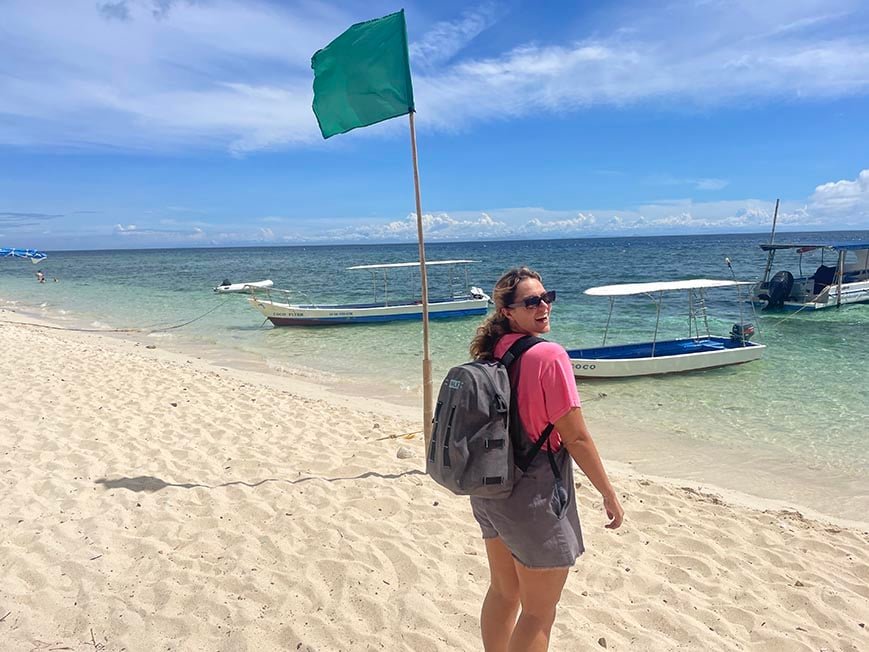
Solo Travel in Siquijor 2026: The Independent Explorer's Guide
Everything solo travelers need to know about Siquijor in 2026: safety, accommodation, making connections, and why the island is perfect for independent exploration.
Best Time to Visit Siquijor: Month-by-Month Weather & Events Guide
Plan your perfect Siquijor trip with our comprehensive seasonal guide. Weather patterns, festivals, crowd levels, and activities for each month of the year.