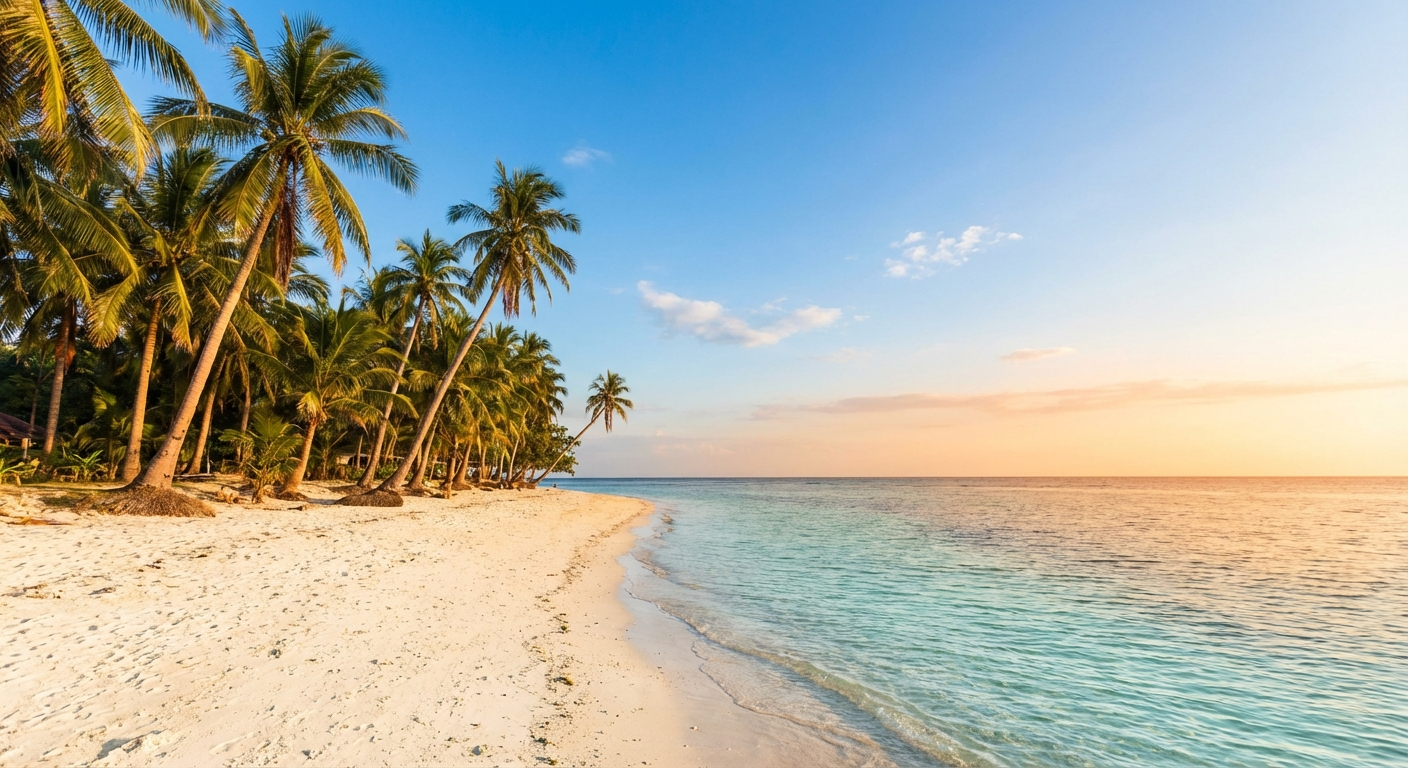
Siquijor in March: Peak Season Travel Guide for 2026
Everything you need to know about visiting Siquijor Island in March. Perfect weather, summer crowds, Holy Week preparations, and the best activities for peak dry season travel.
March marks the heart of peak season on Siquijor Island. The dry season is fully established, schools are winding down for summer break, and travelers from across the Philippines and beyond are turning their attention to the Visayas. For those who time their visit right, March delivers some of the best conditions the island has to offer, though it also brings considerations that earlier dry season months do not.
This guide covers everything you need to plan a March trip to Siquijor, from weather patterns and crowd levels to specific activities that shine during this time of year.
March Weather on Siquijor
March is one of the driest and hottest months on the island. Average daytime temperatures range from 28 to 33 degrees Celsius, with humidity levels that remain manageable compared to the wet season months. Rain is infrequent, typically limited to brief afternoon showers that clear within thirty minutes, if they arrive at all.
The sea conditions are generally excellent throughout March. Waters around the island stay calm, visibility for diving and snorkeling reaches peak levels, and the risk of typhoon activity remains extremely low. This makes March one of the safest months for water activities and inter-island ferry travel.
What to Expect Day by Day
Morning hours from six to ten offer the most comfortable temperatures for outdoor activities like hiking Mount Bandilaan or exploring the interior mountain trails. By midday, the heat intensifies, making this the ideal window for swimming, waterfall visits, or resting in shaded accommodations. Late afternoons bring a slight cooling, perfect for the coastal tour by motorcycle or bicycle.
Sunsets in March are particularly striking. The low humidity and clear skies produce vivid orange and pink displays over the Sulu Sea, especially visible from Paliton Beach, Tubod Marine Sanctuary, and the western coast near Maria municipality.
Crowd Levels and Accommodation
March sits at the intersection of two travel surges. International visitors who planned dry season trips fill the island in early March, while Filipino domestic travelers begin arriving in greater numbers as summer break approaches in late March. If Holy Week falls in March, expect the highest visitor numbers of the entire year during that period.
Booking Recommendations
Reserve accommodation at least three to four weeks in advance for a March visit. Popular spots like beachfront resorts in San Juan, guesthouses near Cambugahay Falls, and budget hostels in Siquijor town fill up quickly. During Holy Week, six to eight weeks of advance booking is advisable.
Prices during March are generally ten to twenty percent higher than the low season rates you would find between June and October. Some resorts implement peak season surcharges during Holy Week specifically, so confirm pricing before booking.
Where to Stay in March
The San Juan area remains the most popular base for visitors, with its concentration of restaurants, beach bars, and proximity to key attractions. However, March is an excellent month to consider staying in less-visited municipalities like Maria or Enrique Villanueva. The reliable weather means you can comfortably explore the entire island from any base, and quieter areas offer a more authentic experience when the popular zones get busy.
Lazi town provides a compelling alternative for culture-focused travelers. Its proximity to the heritage church and convent, Cambugahay Falls, and the southern coast attractions makes it a practical yet uncrowded base.
Best Activities for March
The consistently good weather in March means virtually every activity on the island operates at its best. However, some experiences particularly shine during this month.
Diving and Snorkeling
March offers some of the clearest underwater visibility of the year. The calm seas and warm water temperatures, hovering around 28 to 29 degrees Celsius, create ideal conditions for both experienced divers and first-time snorkelers.
Tubod Marine Sanctuary is at its best in March. The shallow reef system is easily visible from the surface, and the diversity of marine life is outstanding. For certified divers, the deeper sites around Apo Island, accessible as a day trip from Siquijor, deliver encounters with sea turtles, large schools of jackfish, and healthy coral walls.
Night diving enthusiasts should note that March’s calm seas make evening dives more accessible than at any other time. Several dive shops in San Juan offer night dive excursions to spots known for bioluminescent plankton and nocturnal marine creatures.
Waterfall Visits
All of Siquijor’s waterfalls remain accessible and flowing in March, fed by the groundwater reserves built up during the previous wet season. Cambugahay Falls, the most visited, draws larger crowds in March, so arriving before eight in the morning secures a quieter experience.
Lugnason Falls, also known as Zodiac Falls, offers a less crowded alternative with its hidden pools and rope swings. Lagaan Falls provides another option for travelers seeking solitude, with its cave formations and tiered pools tucked deeper into the interior.
For waterfall visits in March, bring adequate sun protection for the walks to and from the falls. The forest canopy provides shade, but the approach roads and paths can be exposed to direct sunlight.
Beach Days
March is prime beach season. Paliton Beach, with its coconut palm-lined shore and gentle waves, is at its most inviting. The sand stays dry and the waters are calm enough for stand-up paddleboarding, which several rental operators offer along the San Juan coast.
Kagusuan Beach, a hidden cove accessible via a short hike down a cliffside path, rewards visitors with a secluded strip of sand and excellent snorkeling directly off shore. The calm March seas make the entry and exit points safer than during months with higher swells.
Salagdoong Beach in Maria municipality combines swimming with adventure. The famous cliff jumping platforms at five and ten meter heights attract thrill-seekers year-round, but the calm March waters provide the safest conditions for taking the plunge.
Island Motorcycle Tour
The classic seventy-two kilometer loop around the island is a March highlight. With minimal rain risk and comfortable temperatures in the morning hours, renting a scooter or motorcycle and completing the full circuit in a day is one of the most rewarding experiences on Siquijor.
The route passes through all six municipalities, connecting coastal scenery with mountain viewpoints, heritage sites, and local markets. Stop at the Old Enchanted Balete Tree in the morning when the fish spa at its base is quieter, visit Lazi Church around midday, and aim for the western coast by late afternoon to catch the sunset.
Motorcycle rentals typically cost between three hundred fifty and five hundred pesos per day in March. Always wear a helmet, carry your international driving permit if you have one, and fill up at the gas stations in Siquijor town or Larena, as fuel stops in other municipalities can be limited.
Holy Week in Siquijor
When Holy Week falls in March, the island transforms. Siquijor holds deep significance in Filipino spiritual traditions, and the island’s reputation as a center of healing and folk medicine draws particular attention during this sacred period.
The Healing Festival
The most distinctive event is the gathering of traditional healers, known locally as mananambal, who prepare their medicines and conduct rituals during Holy Week. The practices center around the town of San Antonio and the forested areas near Mount Bandilaan, where healers collect ingredients and perform ceremonies passed down through generations.
Visitors can observe certain aspects of these traditions respectfully. The provincial government has organized aspects of the healing festival in recent years to make it more accessible while preserving its cultural integrity. Check with the local tourism office for the current year’s schedule and guidelines.
Church Activities
The historic churches of Siquijor hold special services throughout Holy Week. St. Francis of Assisi Church in Siquijor town and St. Isidore the Laborer Church in Lazi both conduct traditional Filipino Holy Week observances, including Visita Iglesia processions and evening prayer services.
These are working religious celebrations, not tourist events. Dress modestly, maintain silence during services, and ask permission before photographing inside the churches.
Practical Considerations During Holy Week
Ferry schedules may be adjusted during Holy Thursday and Good Friday. Confirm your travel dates with the ferry operators, as some routes reduce service or cancel entirely on these days. Plan to arrive before Holy Thursday or be prepared to stay through Easter Sunday.
Many restaurants and shops close or reduce hours from Holy Thursday through Black Saturday. Stock up on essentials, and confirm that your accommodation can provide meals during these days.
ATM availability can be strained during Holy Week as visitor numbers spike and machines run out of cash. Bring sufficient pesos in cash before the long weekend begins.
The Ecological Fee
Since February 2026, all visitors to Siquijor are required to pay a Tourism Ecological Fee upon departure. This fee supports environmental protection and sustainable tourism development across the island. Budget for this additional cost and carry the exact amount in cash to streamline the process at the port.
The fee represents the provincial government’s commitment to preserving the natural resources that make Siquijor special. The funds are directed toward marine sanctuary maintenance, waste management improvements, and forest conservation programs.
What to Pack for March
The March heat demands specific packing considerations. Lightweight, breathable clothing is essential. Cotton and linen fabrics work well for the tropical climate, though quick-dry materials are preferable for active days.
Sun protection is non-negotiable in March. Bring reef-safe sunscreen with SPF 50 or higher, a wide-brimmed hat, and quality sunglasses. The UV index in the Visayas during March regularly reaches extreme levels, and sunburn can ruin a trip quickly.
A reusable water bottle is important. Staying hydrated in the March heat means drinking significantly more water than you might at home. Most accommodations offer filtered water refills, and bringing your own bottle reduces plastic waste on the island.
For waterfall visits, pack water shoes or sandals with good grip. The rocks around Cambugahay and other falls can be slippery, and proper footwear prevents the most common visitor injuries.
Getting to Siquijor in March
Ferry services from Dumaguete run multiple times daily and are the primary way to reach the island. The main routes operate from Dumaguete port to either Siquijor town or Larena, with travel times between one and two hours depending on the vessel type.
During March, especially around Holy Week, ferries fill up quickly. Booking your ferry tickets a day or two in advance is wise, particularly for the faster and more comfortable options. Budget travelers can typically find walk-on availability on the slower roll-on roll-off ferries, though arriving early at the port is recommended.
From Cebu, less frequent but direct ferry services reach Larena port. These longer crossings of three to four hours are a good option for travelers already in Cebu who want to skip the Dumaguete connection.
Budget Considerations for March
A daily budget for March travel on Siquijor breaks down roughly as follows. Budget travelers can manage on fifteen hundred to two thousand pesos per day, covering basic accommodation, local food, and motorcycle rental split with a travel companion. Mid-range visitors should plan for three thousand to five thousand pesos daily for air-conditioned rooms, restaurant meals, and guided activities. Those seeking comfort can expect to spend upward of eight thousand pesos per day at resort-level accommodations with dive packages and premium dining.
March prices are higher than the wet season but represent fair value for the conditions. The reliable weather alone justifies the premium, as canceled activities and rain-disrupted plans during the off-season can end up costing more in lost experiences than the price difference.
Making the Most of March
The key to a great March trip on Siquijor is embracing the rhythm of the island. Start early to beat the heat and the crowds, slow down during the midday hours, and save the coastal experiences for the golden light of late afternoon.
March rewards the visitor who stays more than a weekend. Three to five days allows you to explore beyond the popular circuit, discover quiet beaches that even other tourists miss, and settle into the unhurried pace that defines life on this small island.
Whether you come for the diving, the waterfalls, the spiritual traditions of Holy Week, or simply to disconnect from the pace of modern life, March on Siquijor delivers. The island is at its most vibrant, its most accessible, and, despite the crowds, its most beautiful during this peak month of the dry season.
Siquijor.xyz Editorial Team
Local experts sharing authentic Siquijor experiences
Related Experiences
Best Time to Visit Siquijor: Month-by-Month Weather & Events Guide
Plan your perfect Siquijor trip with our comprehensive seasonal guide. Weather patterns, festivals, crowd levels, and activities for each month of the year.
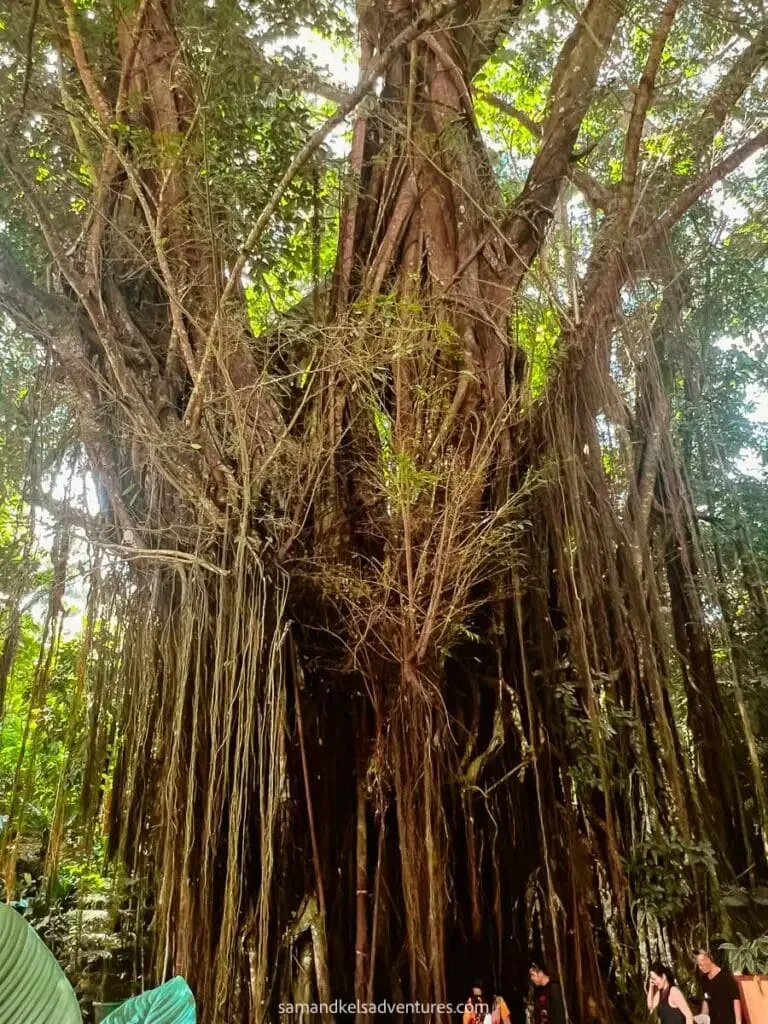
Full Moon in Siquijor: Healing Rituals & Mystical Gatherings
Experience Siquijor's legendary full moon healing rituals. When shamans gather, potions are made, and the island's mystical reputation comes alive.
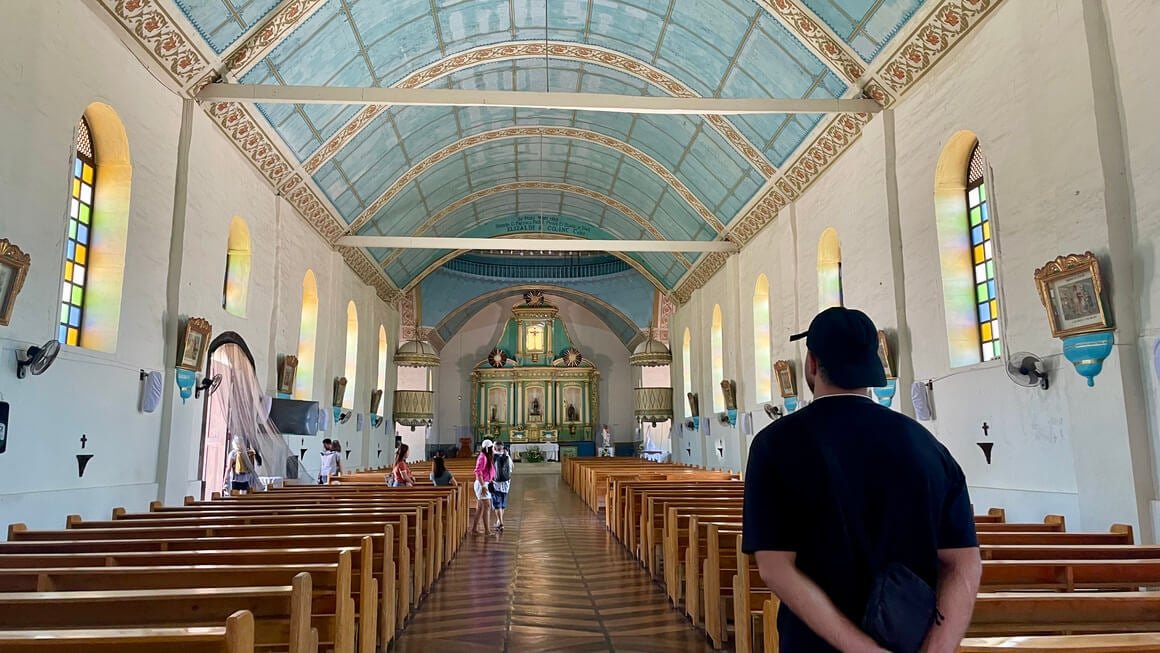
Holy Week in Siquijor: Healing Festivals & Ancient Traditions
Experience Siquijor's unique Holy Week when healers gather, the Black Christ processes through Lazi, and centuries-old traditions come alive.