Siquijor in February: Your Complete Dry Season Travel Guide
Plan the perfect February trip to Siquijor Island. Crystal-clear waters, peak diving conditions, and the best weather of the year make this the ideal month to visit.
February is arguably the finest month to set foot on Siquijor Island. The dry season is in full swing, the humidity drops to comfortable levels, and the surrounding waters reach their clearest point of the year. Whether you are chasing underwater adventures, pristine beach days, or quiet mountain trails, February delivers on every front.
This guide covers everything you need to know about visiting Siquijor in February, from weather patterns and water conditions to the best activities, packing essentials, and practical tips for making the most of your trip.
February Weather on Siquijor Island
February sits right in the heart of the Visayas dry season, locally known as “amihan” season. This northeast monsoon period brings stable weather patterns that make outdoor exploration a pleasure rather than a gamble.
Temperature and Humidity
Daytime temperatures in February typically range between 27 and 32 degrees Celsius. Mornings start cool, especially in the elevated interior around Mount Bandilaan, where temperatures can dip to 23 degrees before sunrise. By midday, the sun is intense but manageable thanks to the steady sea breeze that sweeps across the island.
Humidity hovers around 70 to 75 percent, noticeably lower than the 85 to 90 percent readings common during the wet months. This makes hiking, cycling, and other physical activities far more comfortable.
Rainfall
February is one of the driest months on Siquijor, with average rainfall of just 50 to 80 millimeters across the entire month. Rain showers, when they do occur, tend to be brief afternoon affairs lasting 15 to 30 minutes. Extended rain is rare, and full washout days are virtually unheard of.
Sea Conditions
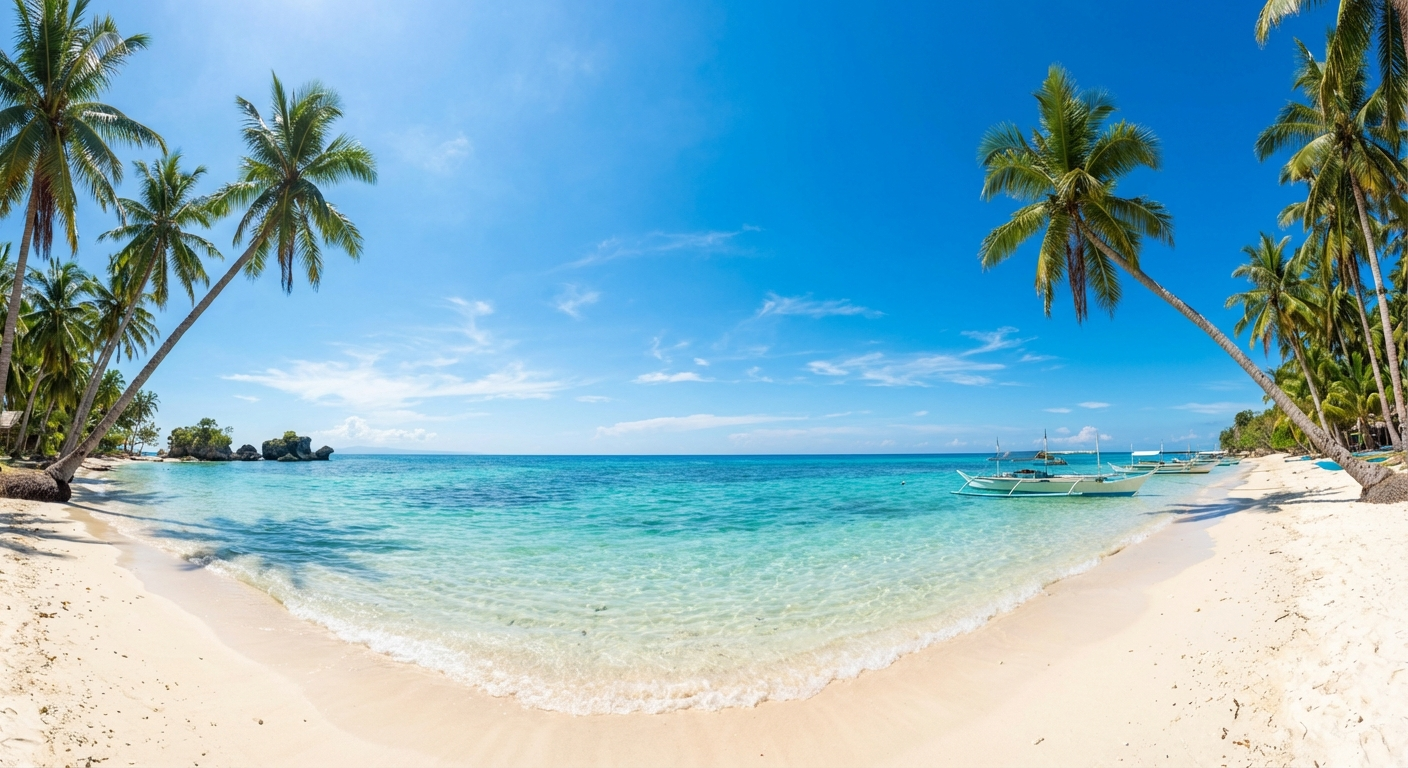
This is where February truly shines. The waters surrounding Siquijor reach peak clarity during this month, with underwater visibility regularly exceeding 25 to 30 meters. The seas are calm, with minimal wave action along both the western and eastern coasts. This creates ideal conditions for diving, snorkeling, island hopping, and boat excursions.
Best Activities for February Visitors
The stable weather and exceptional water clarity open up the full range of Siquijor experiences. Here are the activities that are at their absolute best during this month.
Diving and Snorkeling
February is peak season for underwater exploration around Siquijor. The calm seas and outstanding visibility mean that even novice snorkelers can enjoy clear views of coral gardens and marine life at spots like Tubod Marine Sanctuary and the Caticugan reef system.
For certified divers, the conditions are ideal for exploring deeper sites around Tambisan Point, Sandugan Wall, and the coral-rich waters off Paliton. Night diving is particularly rewarding in February, as the calm conditions make boat entries and exits smooth and safe.
The marine life is abundant during this period. Expect to encounter sea turtles, nudibranchs, schools of fusiliers, reef sharks on deeper dives, and an impressive variety of hard and soft corals in excellent health.
Beach Days
Every beach on Siquijor is at its most inviting in February. Paliton Beach, with its iconic line of coconut palms, offers calm swimming conditions and stunning sunset views. Kagusuan Beach, tucked away on the southeastern coast, provides a more secluded experience with its dramatic cliff backdrop.
Salagdoong Beach is perfect for thrill-seekers, with its cliff jumping platforms standing above crystal-clear turquoise water. The calm February seas make the landing zones exceptionally safe compared to rougher months.
For quieter experiences, the beaches around Maria and Enrique Villanueva offer long stretches of white sand with minimal crowds, even during peak season.
Waterfall Visits
Siquijor’s waterfalls maintain good flow in February thanks to the groundwater reserves built up during the previous wet season. Cambugahay Falls, the island’s most famous cascade, is at its most photogenic during this period. The water runs clear rather than the muddy brown it can turn during heavy rains, and the natural pools are perfect for swimming.
Lugnason Falls (also known as Zodiac Falls) and Lagaan Falls are equally rewarding. The trails leading to these waterfalls are dry and well-maintained during February, making the approach hikes pleasant rather than the muddy scrambles they can become during wet months.
Hiking Mount Bandilaan
The dry conditions make February one of the best months for hiking to the summit of Mount Bandilaan, Siquijor’s highest point at 628 meters. The trails are firm underfoot, and the reduced cloud cover means you have a strong chance of enjoying panoramic views from the top.
The Butterfly Sanctuary near the summit is also worth visiting. February marks the beginning of increased butterfly activity as temperatures warm, and the gardens are well-maintained during the dry season.
Island Hopping to Apo Island
The calm February seas make the boat crossing from Siquijor to Apo Island considerably more comfortable than during rougher months. The journey takes approximately 45 minutes from the Zamboanguita coast (accessible via a short ferry from Siquijor to Dumaguete, then overland).
Apo Island is famous for its sea turtle encounters, and February conditions make for exceptional snorkeling visibility. The turtles are resident year-round, but the clear water means you can often spot them from the surface without even getting your face wet.
Practical Planning Tips for February
Accommodation and Booking
February falls within the peak tourist season for Siquijor, which runs roughly from December through May. While the island never feels truly overcrowded thanks to its relatively limited tourism infrastructure, popular accommodations do book up in advance.
Reserve your accommodation at least three to four weeks ahead, particularly if you have your eye on sought-after properties in San Juan or along Paliton Beach. Budget options and homestays tend to have more last-minute availability, but it pays to plan ahead.
Getting There
Ferry services from Dumaguete to Siquijor run multiple times daily, with the crossing taking between 45 minutes (fast craft) and one and a half hours (roll-on roll-off ferry). In February, crossings are rarely disrupted by weather, unlike the occasional cancellations that occur during typhoon season.
There is also a ferry service from Tagbilaran, Bohol, which operates several times per week. This route is useful for travelers combining Siquijor with a Bohol itinerary.
Book fast craft tickets a day or two in advance during February weekends, as Filipino domestic tourists also take advantage of the good weather for short getaways.
What to Pack
February’s dry heat calls for specific packing choices:
- Reef-safe sunscreen with high SPF. The February sun is intense, and you will be spending significant time in and near the water.
- A quality rash guard for snorkeling and diving. This protects against both sun exposure and minor coral scrapes.
- Light, breathable clothing. Cotton and linen work well for the daytime heat.
- A light jacket or long-sleeved layer for evening motorcycle rides. The wind chill at speed after sunset can be surprising.
- Sturdy water shoes or sandals for waterfall visits and rocky beach entries.
- A dry bag for protecting electronics during water activities.
- A reusable water bottle. Staying hydrated is essential in the February heat, and Siquijor’s refill stations make this easy and eco-friendly.
Getting Around
Motorcycle rental remains the most popular and practical way to explore Siquijor. Daily rates in February typically range from 350 to 500 pesos, depending on the bike and rental duration. The dry roads make motorcycle travel safer and more enjoyable than during the wet season.
Tricycles are available for shorter journeys, and organized tours (both coastal and mountain routes) can be arranged through your accommodation or local tour operators.
The full island loop covers approximately 72 kilometers and can be comfortably completed in a single day on a motorcycle, with stops at major attractions along the way.
Budget Considerations
February pricing reflects the peak season, though Siquijor remains one of the most affordable island destinations in the Philippines. Expect to spend:
- Budget accommodation: 800 to 1,500 pesos per night
- Mid-range accommodation: 2,000 to 4,500 pesos per night
- Meals at local eateries: 100 to 200 pesos per meal
- Restaurant dining: 250 to 600 pesos per meal
- Motorcycle rental: 350 to 500 pesos per day
- Dive trips: 1,500 to 3,000 pesos per dive (equipment included)
- Ecological tourism fee: 75 pesos (one-time, valid for your entire stay)
A comfortable mid-range daily budget for a couple sits around 3,500 to 5,500 pesos, covering accommodation, meals, transport, and one or two activities.
February Events and Local Life
While February does not host any major festivals on Siquijor (the big celebrations like Dilaab Festival fall in other months), the island has its own rhythm during this period.
Local fishing communities are active in the early mornings, and visiting the Siquijor town market or the Lazi market provides a genuine glimpse into daily island life. Fresh seafood, tropical fruits, and local produce are abundant and affordable.
The long dry evenings make February an excellent month for beachside dining. Several restaurants and beach bars along the San Juan coast set up outdoor seating that takes full advantage of the warm, rain-free nights.
February is also a popular month for wellness visitors. Several yoga retreats and healing practitioners on the island see increased interest during this period, as travelers combine beach relaxation with mindfulness and traditional wellness practices.
Photography Conditions
February offers outstanding conditions for photography. The lower humidity means clearer skies and sharper horizon lines, particularly useful for sunrise and sunset photography. The golden hour light along the western coast, especially at Paliton Beach, is exceptional.
Underwater photography benefits enormously from the improved visibility. Wide-angle reef shots that are difficult during murkier months become achievable, and the abundant natural light penetrating the clear water reduces the need for artificial lighting at shallower depths.
The lush green interior of the island remains vibrant despite the dry season, providing excellent contrast against the blue skies. The balete trees, rice paddies around Lazi, and mountain trails all photograph beautifully during this period.
Is February the Best Month to Visit Siquijor?
February consistently ranks among the top two or three months for visiting Siquijor, alongside March and April. It edges out the later dry season months for a couple of reasons: the vegetation is still lush from the recently ended wet season, and the tourist numbers have not yet reached their April peak.
The only potential downside is that February falls during the academic year in many countries, making it less accessible for families with school-age children. For couples, solo travelers, and those with flexible schedules, it represents an ideal window.
If your travel dates are flexible and you want the best possible conditions for a Siquijor visit, put February at the top of your list. The combination of stable weather, clear waters, manageable crowds, and lush landscapes creates an experience that showcases the island at its very best.
Siquijor.xyz Editorial Team
Local experts sharing authentic Siquijor experiences
Related Experiences
Best Time to Visit Siquijor: Month-by-Month Weather & Events Guide
Plan your perfect Siquijor trip with our comprehensive seasonal guide. Weather patterns, festivals, crowd levels, and activities for each month of the year.
Full Moon in Siquijor: Healing Rituals & Mystical Gatherings
Experience Siquijor's legendary full moon healing rituals. When shamans gather, potions are made, and the island's mystical reputation comes alive.
Holy Week in Siquijor: Healing Festivals & Ancient Traditions
Experience Siquijor's unique Holy Week when healers gather, the Black Christ processes through Lazi, and centuries-old traditions come alive.