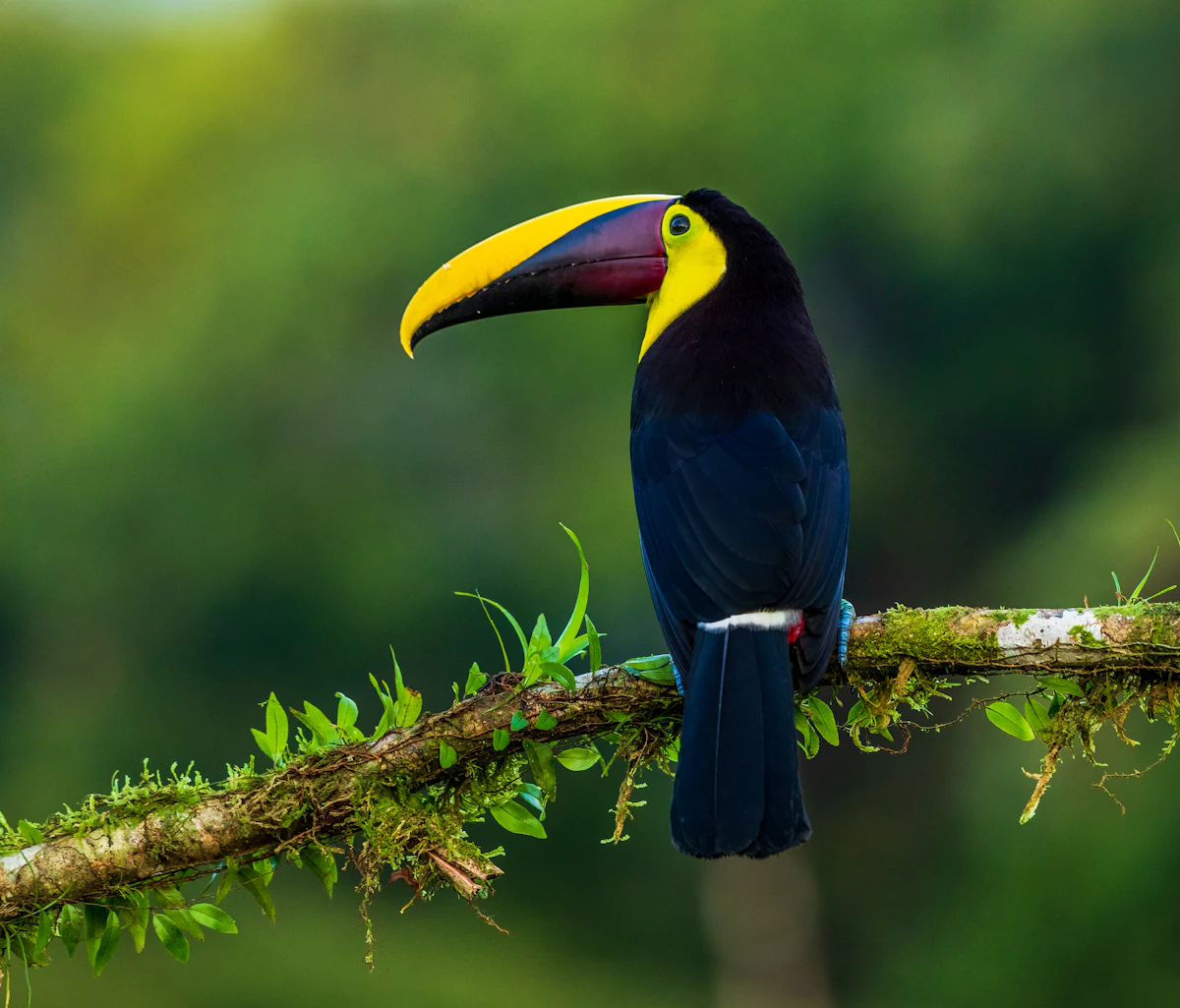
Wildlife & Nature Spotting in Siquijor: Complete 2026 Guide
Discover Siquijor's wildlife: butterflies, bird watching, marine life encounters, fireflies, and nocturnal animals. Where to find them and best viewing times.
Wildlife & Nature Spotting in Siquijor
Siquijor won’t rival the Galapagos for wildlife diversity or Borneo for spectacular encounters. But for a small Philippine island, it offers surprisingly rewarding nature experiences for those who slow down and look.
The sea turtle that glides past you at Tubod. The kingfisher perched on a mangrove branch at dawn. The first firefly lighting up in a tree, then dozens more following. These moments come to those who watch quietly, arrive early, and embrace Siquijor’s unhurried pace.
The Butterfly Garden
Siquijor Butterfly Sanctuary
Small butterfly greenhouse with various Philippine species
What to Expect
The butterfly sanctuary is a small enclosed greenhouse in the mountains near Mount Bandilaan. Inside, you’ll find various butterfly species native to the Philippines fluttering between flowering plants.
The experience is modest—this isn’t a world-class facility. Expect 15-30 minutes of viewing time. You’ll see butterflies at various life stages: caterpillars on leaves, chrysalises hanging from branches, and adult butterflies feeding on flowers.
Species You Might See
- Common Rose (Pachliopta aristolochiae) - Black with crimson spots
- Great Mormon (Papilio memnon) - Large, dark with variable patterns
- Tailed Jay (Graphium agamemnon) - Green and black, fast-flying
- Various swallowtails and smaller species
Tips for Your Visit
Visit mid-morning when butterflies are most active. Wear bright colors—butterflies sometimes land on visitors. Move slowly and quietly. Photography without flash is welcome.
Honest Assessment
The butterfly garden is a 15-30 minute experience. Some visitors find it underwhelming; others appreciate the quiet encounter with these delicate creatures. It’s best combined with nearby attractions rather than made a destination on its own.
Pro Tip
The Butterfly Garden is best combined with Mount Bandilaan (nearby viewpoint). Do the garden after the mountain when butterflies are more active in the mid-morning warmth.
Bird Watching in Siquijor
Overview
Siquijor isn’t a major birding destination, but casual observers will find decent variety. The island’s forests, mangroves, and coastal areas support resident and migratory species. Early mornings and late afternoons yield the best sightings.
Species to Watch For
Kingfishers
The star attractions for many visitors. Three species are possible:
- White-throated Kingfisher - Common near water, brilliant blue and brown
- Collared Kingfisher - Coastal areas, turquoise and white
- Philippine Dwarf Kingfisher - Rare and exciting find, tiny and colorful
Sunbirds
Small, nectar-feeding birds often seen in gardens:
- Olive-backed Sunbird - Common in flowering plants, males have iridescent throat
- Purple-throated Sunbird - Forest edges, stunning purple gorget on males
Doves and Pigeons
- Pink-necked Green Pigeon - Colorful, forest canopy
- Philippine Cuckoo-Dove - Endemic, distinctive call
- Zebra Dove - Common, gentle cooing
Herons and Egrets
Found in coastal and wetland areas:
- Little Egret - White, active hunter in shallows
- Cattle Egret - Fields, often following livestock
- Black-crowned Night Heron - Dusk and wetlands
Other Notable Species
- Philippine Bulbul - Common, cheerful song
- Yellow-vented Bulbul - Gardens and forest edges
- Asian Glossy Starling - Iridescent flocks
- Philippine Coucal - Large, distinctive bubbling call
Best Birding Locations
Mount Bandilaan Area
The forested slopes offer the highest diversity on the island. Forest birds, occasional raptors overhead, and the best chance for endemic species. Best timing: 6-8 AM before heat drives birds into cover.
Coastal Mangroves
Various locations around the island have mangrove stands. Look for kingfishers, herons, and wading birds. Near Larena and along less-developed coastlines. Early morning or late afternoon best.
Resort Gardens
Even without leaving your accommodation, you’ll spot sunbirds, bulbuls, and doves. Morning coffee with bird watching requires no effort at all.
Insider Knowledge
The road up to Mount Bandilaan passes through excellent birding habitat. Stop occasionally on the drive up, especially at dawn, and listen. The Philippine Coucal’s distinctive bubbling call echoes through the forest.
Bird Photography Tips
Bring a telephoto lens (200mm minimum, 400mm better). Patience is essential—find a good spot and wait. Early morning light is best. A tripod helps with longer lenses. Learn bird calls to anticipate appearances.
Marine Life Encounters
Snorkeling Wildlife
Tubod Marine Sanctuary
Tubod Marine Sanctuary
Best snorkeling site with diverse marine life
Tubod offers Siquijor’s best accessible snorkeling. The marine sanctuary protects a healthy reef teeming with life.
What You’ll See:
- Clownfish in anemones (think Nemo)
- Parrotfish in rainbow colors, crunching coral
- Surgeonfish and tangs schooling along the reef
- Butterflyfish in pairs, yellow and white patterns
- Damselfish fiercely defending their territory
- Wrasses in seemingly impossible colors
- Moray eels peeking from crevices
- Sea stars and urchins on the reef floor
Occasional turtle sightings make any snorkel session special.
Other Snorkel Sites
- Paliton Beach - Reef offshore, varying conditions
- Sandugan Marine Sanctuary - Quieter alternative
- Salagdoong Beach - Protected coves, good for beginners
Sea Turtle Encounters
In Siquijor: Sea turtles are occasionally spotted while snorkeling at Tubod and other sites. Sightings aren’t guaranteed but happen regularly. Green sea turtles are most common; hawksbill turtles appear occasionally.
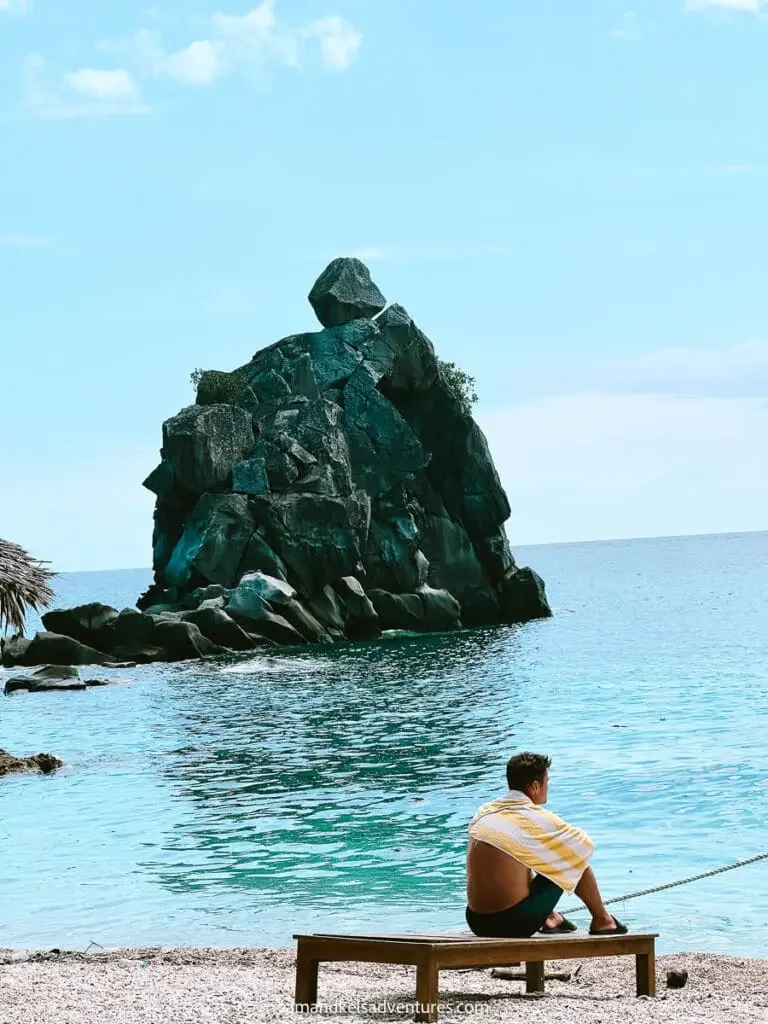
Apo Island (Day Trip):
Apo Island
World-famous turtle sanctuary - nearly guaranteed sightings
For near-guaranteed turtle encounters, Apo Island is the destination. Multiple turtles per snorkel session is normal. They’re calm and easily photographed. The day trip is worth it for wildlife enthusiasts.
Safety Warning
Never touch, chase, or ride sea turtles. This is illegal under Philippine law and harmful to the animals. Maintain 2 meters distance and let turtles approach you naturally.
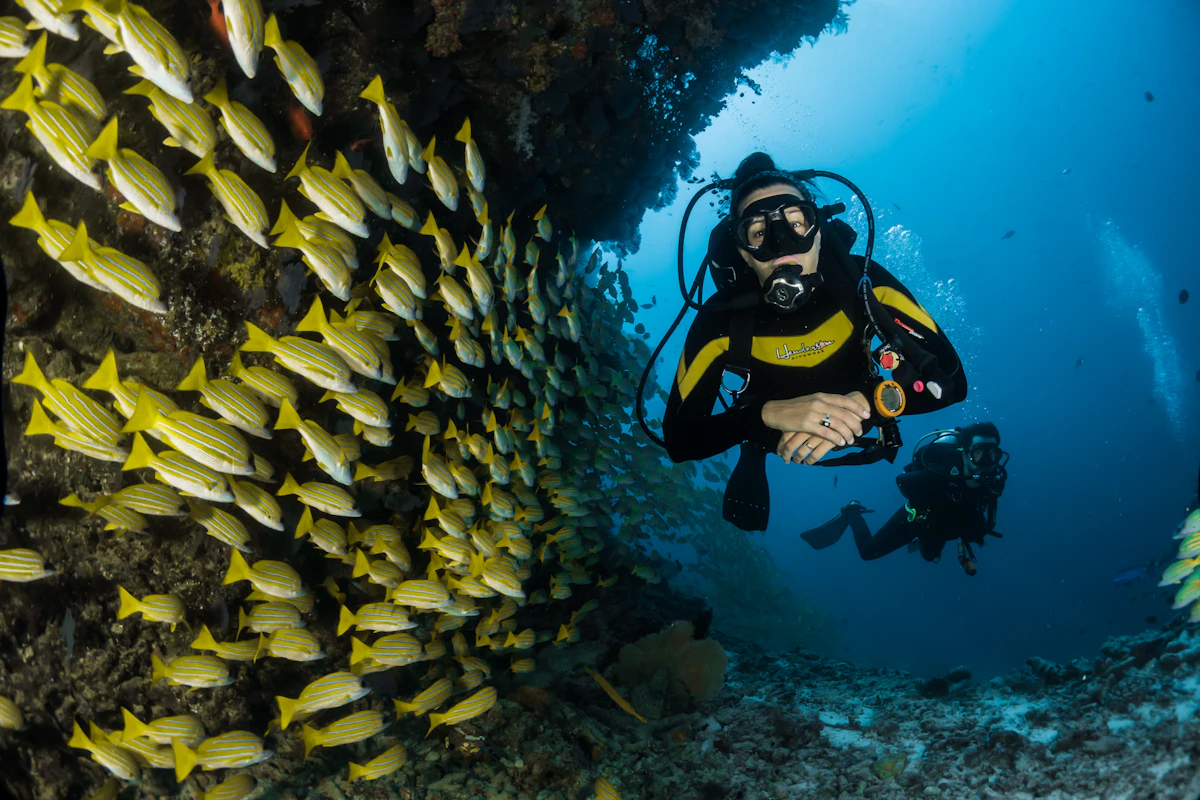
Diving Wildlife
Certified divers access additional marine life:
- Reef sharks at deeper sites
- Eagle rays seasonally passing through
- Cuttlefish - masters of camouflage
- Octopus - especially on night dives
- Nudibranchs - colorful sea slugs, photographer favorites
- Frogfish - bizarre and well-camouflaged
- Seahorses - ask dive guides for known locations
Night Dive Creatures
Night diving reveals a different ecosystem:
- Octopus actively hunting
- Crustaceans emerging from hiding
- Sleeping fish tucked into coral
- Phosphorescent plankton glowing with movement
- Nocturnal predators on the prowl
See our night diving guide for details.
Fireflies and Nocturnal Wildlife
Firefly Viewing
Fireflies add magic to Siquijor evenings. Their synchronized blinking in mangrove trees creates a living light show.
Where to Find Them:
- Mangrove areas (various locations around the island)
- Coastal forests
- Near freshwater sources
- Ask locals for current active areas—spots vary seasonally
When:
- After dark (7 PM onwards)
- Best on moonless nights (dark skies improve visibility)
- Peak during dry season
- Avoid viewing right after heavy rain
How to See Them:
- Ask accommodation staff or local guides
- Some resorts can arrange viewings
- Boat-based trips in mangroves offer the best experience
- Be patient—eyes need 10-15 minutes to fully adjust to darkness
Pro Tip
For firefly viewing, turn off all lights including phone screens. Your eyes need time to fully adjust to darkness. The wait is worth it when the trees start twinkling.
Other Nocturnal Wildlife
Fruit Bats: Commonly seen at dusk, flying between trees. Their distinctive silhouettes against the sunset sky make for atmospheric photos. Best viewed from resorts near forested areas.
Geckos: Tokay geckos announce themselves with loud calls at night. House geckos are everywhere, helping control insects. Both are harmless and entertaining.
Owls: More often heard than seen. Various species inhabit forested areas. Their calls add to the nighttime soundscape.
Insects: Tropical nights bring fascinating insect life. Stick insects, colorful moths, rhinoceros beetles. Those bothered by bugs should stay indoors; those fascinated will find plenty to observe.
Nature Photography Tips
Equipment Recommendations
For Marine Life:
- Waterproof camera or underwater housing
- GoPro works well for casual shooting
- Underwater filters (red/magenta) correct color at depth
For Birds and Butterflies:
- Telephoto lens (200-400mm)
- Fast shutter speeds (1/500 second minimum)
- Continuous autofocus mode
- Monopod or tripod for stability
For Fireflies:
- Tripod essential (long exposures required)
- Wide aperture lens (f/2.8 or faster ideal)
- Manual focus set to infinity
- 20-30 second exposures typical
Best Times for Wildlife Photography
| Time | Best Subjects |
|---|---|
| Dawn (5:30-7:30 AM) | Birds, calm water for marine shots |
| Mid-morning (8-10 AM) | Butterflies active |
| Midday (10 AM-2 PM) | Underwater (sun overhead, good visibility) |
| Late afternoon (4-6 PM) | Golden light, birds active again |
| Dusk (6-7 PM) | Bats, sunset marine shots |
| Night | Fireflies, nocturnal creatures, night diving |
Wildlife Watching Itinerary
Full Day Nature Experience
5:30 AM: Mount Bandilaan for dawn birding
- Drive up in early light
- Stop at forest viewpoints
- Listen for bird calls, watch for movement
8:30 AM: Butterfly Sanctuary
- Mid-morning when butterflies are active
- 30-minute visit
9:30 AM: Return to coast for breakfast
11:00 AM - 1:00 PM: Snorkeling at Tubod Marine Sanctuary
- Prime underwater viewing
- Possible turtle sighting
1:00 PM: Lunch and midday rest
4:00 PM: Beach or mangrove bird watching
- Kingfishers, herons at coastline
5:30 PM: Sunset bat watching
- Find a spot near forest edge
- Watch for silhouettes against sky
7:30 PM: Optional firefly viewing
- Ask locally for current active spots
Conservation and Responsible Viewing
Dos and Don’ts
Do:
- Maintain distance from all wildlife
- Use reef-safe sunscreen in water
- Stay on marked paths
- Support marine sanctuaries (pay entrance fees)
- Hire local guides (supports conservation economy)
Don’t:
- Touch or chase animals
- Use flash on nocturnal animals
- Feed wildlife
- Collect shells, coral, or anything natural
- Disturb nesting areas
Marine Conservation
The healthy reefs and marine life you see exist because of conservation efforts. Marine sanctuaries are protected zones where fishing is prohibited. Your entrance fees directly support local protection efforts.
Follow all sanctuary rules. Report any violations to staff. Choose reef-safe sunscreen to avoid chemical damage to coral.
Good to Know
The healthy reefs and wildlife you see exist because of conservation efforts. Help protect them by following guidelines and supporting marine sanctuaries with your entrance fees.
Seasonal Wildlife Calendar
What to See When
| Season | Wildlife Highlights |
|---|---|
| Nov-Feb | Migratory birds arrive, calm seas for snorkeling |
| Mar-May | Best diving visibility, butterflies most active |
| Jun-Aug | Fewer tourists, resident birds, some viewing affected by rain |
| Sep-Oct | Transition period, variable conditions |
Year-Round Sightings
Some wildlife is present regardless of season:
- Reef fish at marine sanctuaries
- Geckos (always!)
- Common birds (bulbuls, doves, sunbirds)
- Butterflies at the enclosed sanctuary
Final Thoughts
Siquijor’s wildlife isn’t performing for tourists—it’s simply living. Your job is to notice.
The island rewards patience and early rising. The visitors who see the most are those who sit quietly, arrive before the crowds, and pay attention to the margins: the forest edge at dawn, the reef at slack tide, the mangroves after dark.
Bring binoculars. Bring an underwater camera. Bring time. And let the island show you what it has.
For underwater photography tips, see our Underwater Photography Guide. For turtle encounters, check our Apo Island Day Trip.
Frequently Asked Questions
Can I see sea turtles in Siquijor?
Where is the Siquijor Butterfly Garden?
What birds can I see in Siquijor?
Are there fireflies in Siquijor?
What nocturnal animals are on Siquijor?
Siquijor.xyz Editorial Team
Local experts sharing authentic Siquijor experiences
Related Experiences
Apo Island Day Trip: Swimming with Sea Turtles
Complete guide to visiting Apo Island from Siquijor - swim with sea turtles, explore vibrant coral reefs, and experience one of the Philippines' best marine sanctuaries.
Marine Biodiversity Tour: Snorkeling & Diving Siquijor
Discover Siquijor's underwater world - marine sanctuaries, coral reefs, and dive sites. Complete guide to snorkeling and diving on the island.
Mount Bandilaan: Hiking Siquijor's Highest Peak
Conquer Mount Bandilaan, Siquijor's highest point at 557 meters - featuring 360-degree island views, medicinal forests, and the site of the famous Healing Festival.