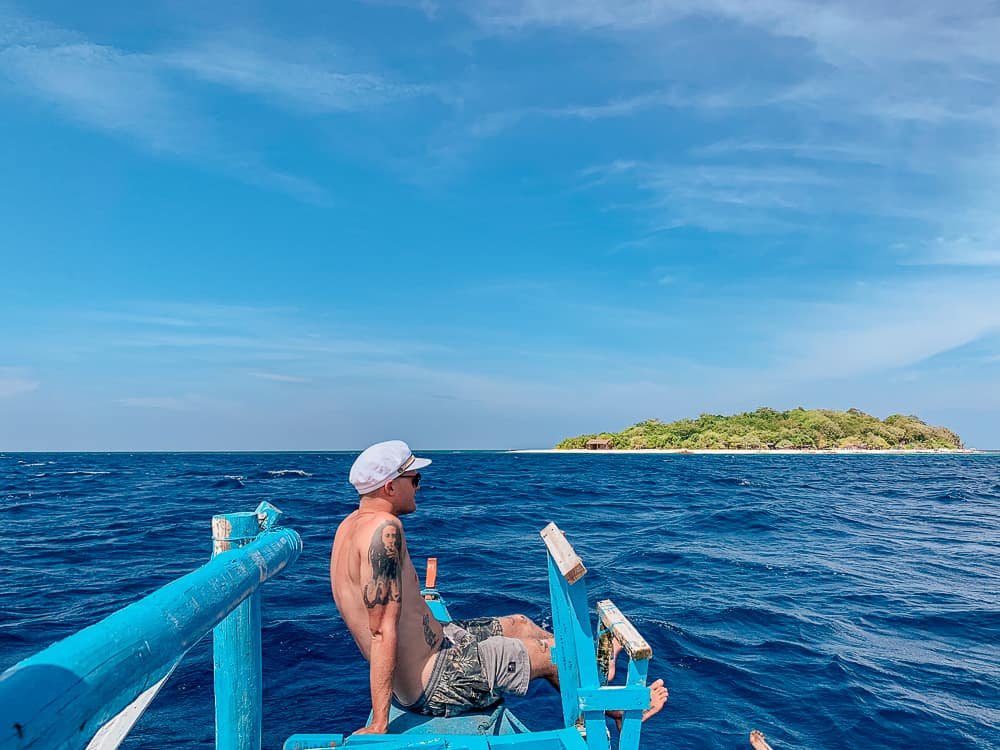
Underwater Photography in Siquijor: Dive Site Photo Guide
Master underwater photography at Siquijor's top dive sites. Camera settings, best sites for different subjects, and tips for capturing the island's marine life.
 Island Adventures Team
 Underwater Photography in Siquijor: Complete Dive Site Guide
Beneath Siquijor’s turquoise surface lies a photographer’s playground: pristine coral gardens, macro critters hiding in every crevice, and marine life undisturbed by the crowds found at better-known dive destinations. For underwater photographers, this island offers what money can’t always buy—healthy reefs, clear water, and room to work.
This guide covers Siquijor’s dive sites through a photographer’s lens, with specific recommendations for subjects, techniques, and the shots that make each site unique.
Why Siquijor for Underwater Photography
The Marine Sanctuary Network
Siquijor has established over 20 marine protected areas around the island. These no-take zones have allowed fish populations and coral to recover, creating photogenic environments rarely found in more accessible destinations.
Visibility and Conditions
- Best months: March-June (15-30m visibility)
- Good months: November-February (10-20m)
- Variable: July-October (5-15m, depends on storms)
Diversity in Small Spaces
The island’s geology—volcanic origins creating varied underwater topography—means you can shoot walls, slopes, sandy flats, and coral gardens all within a 30-minute boat ride.
The Pace
Fewer divers means you can take your time. No one’s rushing you through a shot. Your dive guide knows you’re here for photos and adjusts accordingly.
Equipment Overview
Camera Options
Entry Level: GoPro or action camera
- Pros: Affordable, durable, wide angle
- Cons: Limited control, small sensor
- Best for: Video, environmental shots
Compact in Housing: Sony RX100, Canon G7X, etc.
- Pros: Versatile, manual control, reasonable cost
- Cons: Small sensor, limited lens options
- Best for: All-around use, travel photographers
Mirrorless/DSLR Systems: Sony A7, Nikon Z, Canon EOS
- Pros: Best quality, lens flexibility, professional results
- Cons: Expensive, complex, heavy
- Best for: Serious shooters, selling images
Lens Selection
Wide Angle (for Siquijor):
- Fisheye (8-15mm) for dramatic reefscapes
- Rectilinear wide (16-35mm) for balanced scenes
- Use for: Reef scenes, large animals, environmental portraits
Macro:
- 60mm for larger subjects (nudibranchs, shrimp)
- 100-105mm for tiny subjects, more working distance
- Use for: Nudibranchs, crustaceans, fish portraits
Lighting
Underwater, you bring your own light:
Strobes: Most control, freeze action, true colors Video Lights: See what you’re lighting, continuous output Both: Ideal for versatile shooting
For Siquijor’s relatively shallow sites, one strobe can suffice. Two provide better, shadow-free lighting.
Pro Tip
If you’re new to underwater photography, start with natural light and a red filter. Master composition and subject approach before adding strobe complexity. The filter restores warm tones lost to water absorption.
Site-by-Site Photography Guide
Tubod Marine Sanctuary
Tubod Marine Sanctuary
The island's most popular marine sanctuary offers incredible macro life on an easy shore dive. Protected status means abundant subjects.
Depth: 3-15m Best For: Macro photography Signature Subjects: Nudibranchs, frogfish, pipefish, ornate ghost pipefish, sea horses
Photo Tips:
- Slow down. Tubod rewards patience.
- Check every anemone for commensal shrimp
- Sand margins often hide more than reef edges
- Night dives reveal different macro population
Settings Starting Point (macro):
- f/16-f/22 for depth of field
- 1/200-1/250s for strobe sync
- ISO 100-200
- Manual focus for control
Paliton Wall
Paliton Wall
A dramatic vertical drop with healthy soft corals, gorgonians, and frequent sightings of larger marine life.
Depth: 5-40m Best For: Wide-angle photography Signature Subjects: Gorgonian fans, soft corals, schooling fish, occasional turtles
Photo Tips:
- Look up—the wall against surface light creates drama
- Find divers to add scale and interest
- Dawn dives for feeding activity
- Negative space can be powerful on walls
Settings Starting Point (wide):
- f/8-f/11 for sharpness and depth
- 1/125-1/250s depending on strobes
- ISO 200-400 for ambient balance
- Wide strobes positioned to avoid backscatter
Maite Marine Sanctuary
Maite Marine Sanctuary
Excellent hard coral coverage and fish life on a gentle slope. Good mix of wide-angle and macro opportunities.
Depth: 3-18m Best For: General reef photography, fish behavior Signature Subjects: Table corals, damselfish gardens, anemonefish, schooling anthias
Photo Tips:
- Early morning for active fish behavior
- Find a healthy coral head, wait for fish to settle
- Anemone groupings often have multiple species
- Shoot down on coral gardens for overview shots
Caticugan Marine Sanctuary
Caticugan Marine Sanctuary
Less visited sanctuary with pristine conditions and a relaxed atmosphere that allows extended shooting time.
Depth: 5-22m Best For: Patient macro work, undisturbed subjects Signature Subjects: Pygmy seahorses, mantis shrimp, flamboyant cuttlefish
Photo Tips:
- Ask guides about specific resident subjects
- Some rare species have been in same spot for months
- Longer bottom times possible in shallow water
- Excellent for night dive photography
Siquijor Deep
Siquijor Deep
An offshore site with potential for larger pelagics and blue-water backgrounds. For experienced divers and photographers.
Depth: 15-40m+ Best For: Blue water, pelagic species Signature Subjects: Barracuda schools, reef sharks (rare), large groupers
Photo Tips:
- Fast shutter speeds for moving subjects
- Position with sun for backlit drama
- Patient drifting often brings subjects to you
- Deep means careful bottom time management
Important
Deep photography sites require careful dive planning. Air consumption increases when concentrating on photography. Monitor depth, time, and air more carefully than on shallow dives.
Techniques for Siquijor Conditions
Working with Natural Light
Siquijor’s clear water and shallow sites allow beautiful natural light photography:
Sunburst Shots:
- Position sun in frame edge
- f/16-f/22 for star effect
- Include reef silhouette as foreground
Blue Water Backgrounds:
- Face open water, not reef
- Subject lit by strobe, background by ambient
- Balance exposure carefully
Color Restoration:
- Red filter on lens
- White balance to “underwater” preset
- Works best in top 10m
Strobe Techniques
Macro Lighting:
- Strobes close to subject
- Angle to avoid flat front-lighting
- One strobe at 45° often sufficient
- Snoots for creative spots
Wide-Angle Lighting:
- Strobes wide to minimize backscatter
- Arms extended, angled slightly inward
- Often needs full power for coverage
- TTL can work; manual offers control
Approaching Subjects
Rule One: Never chase
- Let subjects become accustomed to your presence
- Approach slowly, pause frequently
- Allow them to resume normal behavior
Buoyancy Matters:
- Poor buoyancy = disturbed sediment = ruined shots
- Practice hovering before adding camera
- Use reef hooks where appropriate
- Never stand on coral
Pro Tip
The best underwater photographers spend more time watching than shooting. Understanding behavior helps predict shots—like knowing when a frogfish will strike or where a nudibranch is heading.
Subject-Specific Tips
Nudibranchs
Siquijor hosts dozens of nudibranch species. These slow-moving subjects are perfect for macro practice.
Shooting Tips:
- Get eye level (or rhinophore level)
- Focus on rhinophores (the “horns”)
- Show the full animal when possible
- Backgrounds can make or break shots
Anemonefish
Everyone wants the classic clownfish portrait. In Siquijor, you’ll find several species.
Shooting Tips:
- Wait for fish to pause, face forward
- Include anemone for environmental context
- Catch the moment of mouth opening
- f/8-f/11 for some background anemone detail
Turtles
Green and hawksbill turtles are regularly seen in Siquijor waters.
Shooting Tips:
- Don’t crowd; let turtle approach or pass
- Face-on shots show personality
- Silhouette against surface for drama
- Feeding shots tell a story
Corals
Siquijor’s healthy coral deserves documentation.
Shooting Tips:
- Wide angle for expansive gardens
- Macro for polyp details
- Nighttime reveals extended polyps
- Look for diversity in single frame
Post-Processing Underwater Images
Color Correction
Water absorbs red light first, leaving images blue-green. Fix in post:
- Increase red channel or decrease blue
- Adjust white balance to underwater subject
- Handle each image individually—depth varies color
Backscatter Removal
Even perfect technique may leave some particles:
- Clone stamp for isolated spots
- Content-aware fill for larger areas
- Prevention is easier than correction
Sharpening and Detail
Underwater images often benefit from:
- Clarity increase for texture
- Subtle sharpening on subject
- Dehaze if visibility was reduced
- Detail enhancement in raw processing
Practical Considerations
Dive Shop Selection
Choose a shop that accommodates photographers:
- Small groups or private guides
- Flexibility with dive times
- Knowledge of photo subjects
- Patience with longer dives
Pre-Dive Prep
Before every dive:
- Check o-rings, lubricate as needed
- Test camera function
- Confirm strobe/light batteries
- Clear memory cards
- Clean ports
Post-Dive Care
After every dive:
- Rinse in fresh water (camera in housing)
- Don’t open housing until dry
- Store in cool, dry place
- Charge batteries overnight
Building Your Siquijor Portfolio
Day 1-2: Orientation
Dive without camera. Learn sites, practice buoyancy, identify subjects for later.
Day 3-4: Macro Focus
Concentrate on small subjects at Tubod and calm sites.
Day 5-6: Wide Angle
Tackle walls and coral gardens for reefscape images.
Day 7: Specialized
Return to best sites for specific subjects or conditions.
Backup Days
Weather and visibility change. Build in flexibility.
Beyond the Photography
Siquijor’s marine sanctuaries represent conservation success stories. While photographing, consider your impact:
- Never touch, move, or manipulate subjects
- Avoid damaging coral with fins or equipment
- Don’t chase animals for shots
- Share images that inspire conservation
- Support sanctuaries with donations if moved to do so
The reef you photograph today should be healthier tomorrow because of how you treated it.
Surface after your dive for more Siquijor photography? Check our Instagram-worthy spots guide or try capturing the magic of Cambugahay Falls.
Frequently Asked Questions
Do I need expensive equipment for underwater photography in Siquijor?
Which dive sites in Siquijor are best for underwater photography?
What's the best visibility season for diving photos?
Can I rent underwater camera equipment in Siquijor?
How deep can I photograph in Siquijor?
Island Adventures Team
Underwater photographers exploring Siquijor's vibrant marine ecosystems.
Related Experiences
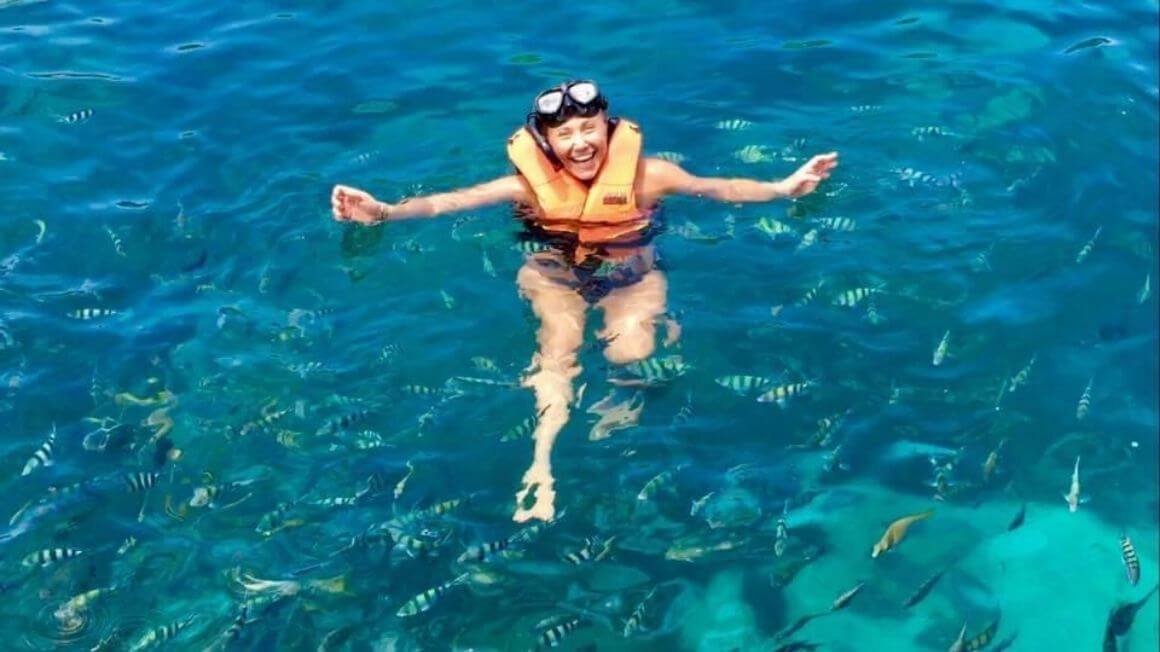
Night Diving in Siquijor: Bioluminescence & Nocturnal Marine Encounters
Experience the magic of Siquijor's underwater world after dark. Discover bioluminescent plankton, hunting octopuses, and sleeping sea turtles on guided night dives.
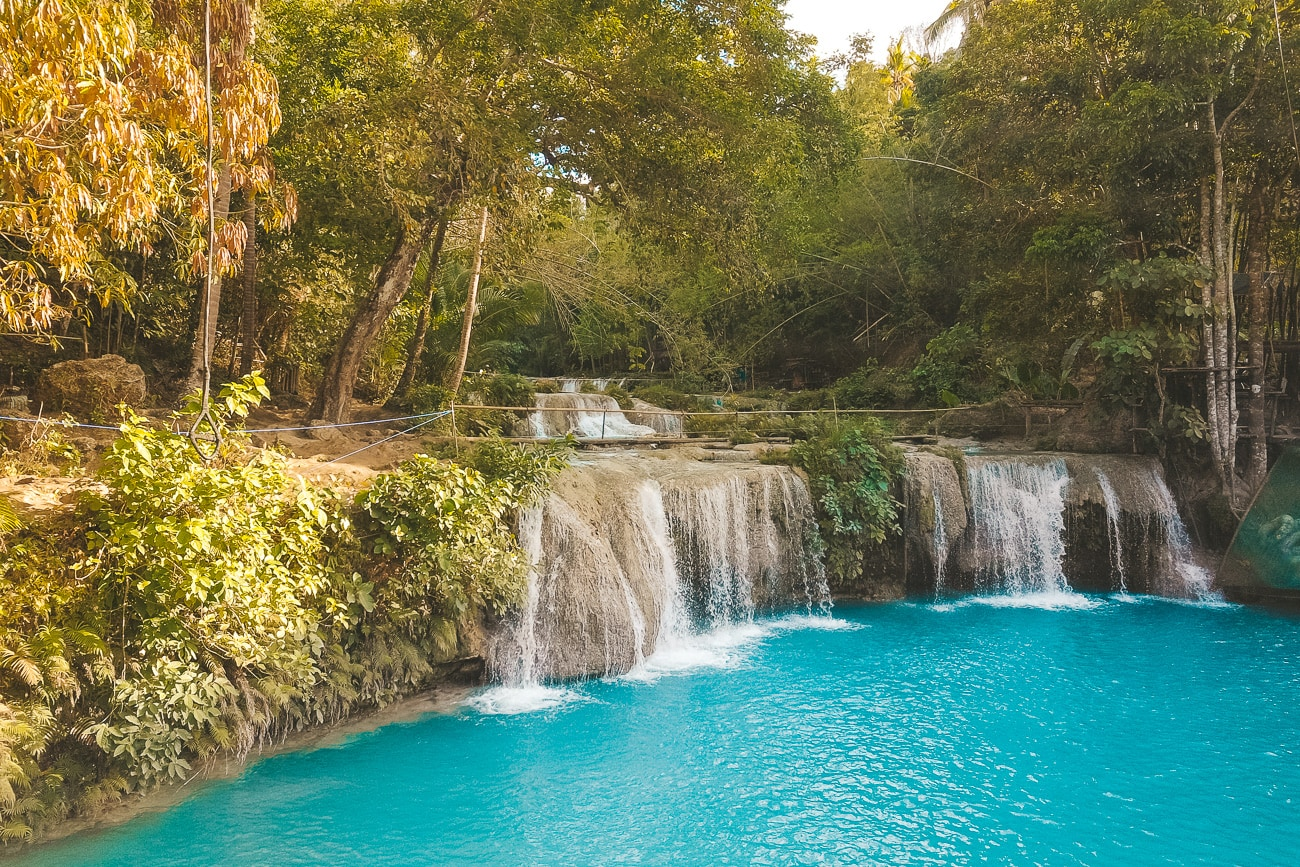
Cambugahay Falls Photography: A Masterclass in Waterfall Shots
Perfect your waterfall photography at Siquijor's most famous falls. Camera settings, composition tips, and techniques for capturing the iconic rope swing.
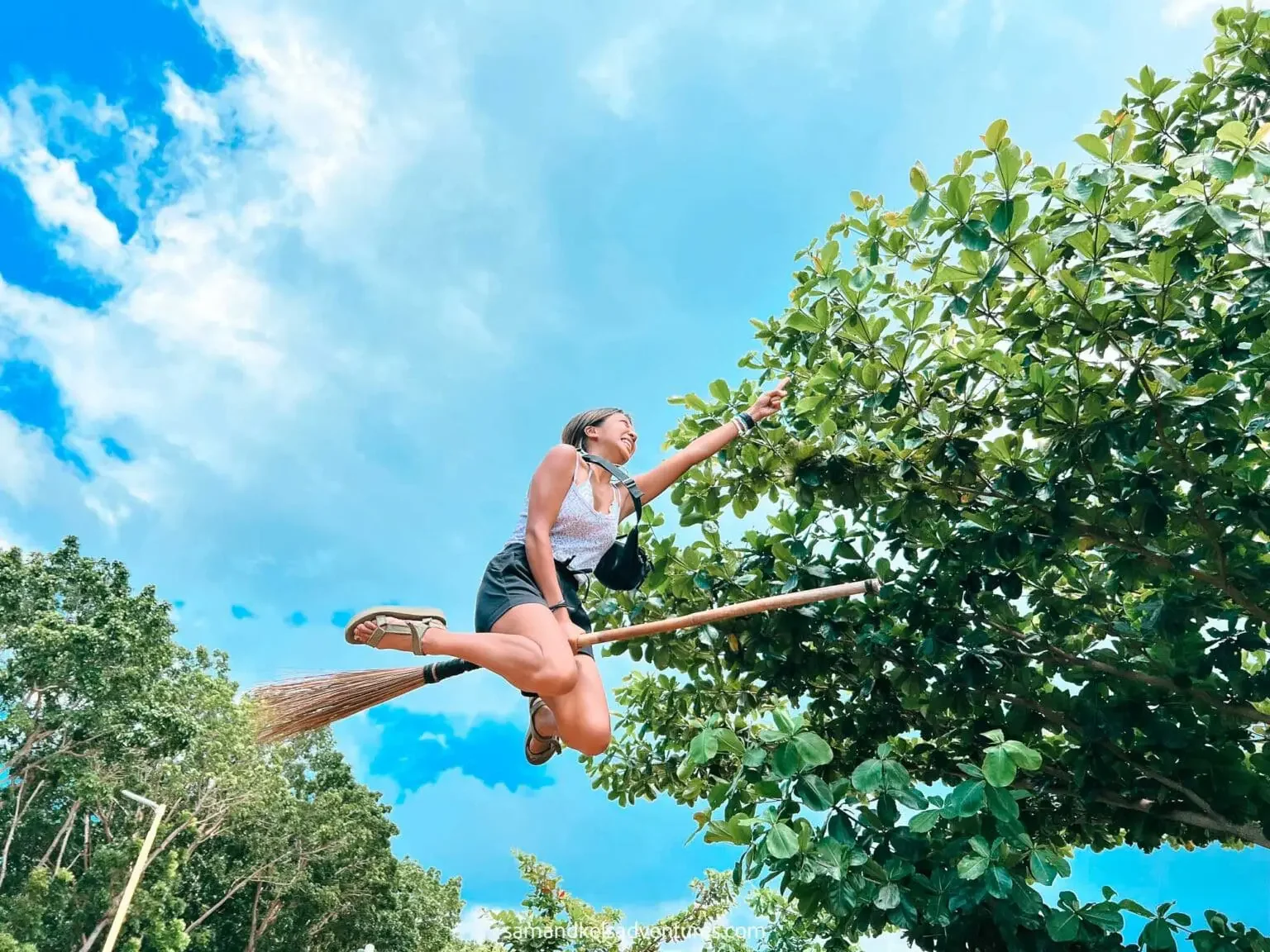
15 Most Instagrammable Spots in Siquijor (With GPS Coordinates)
Find the most photogenic locations in Siquijor for stunning social media content. Exact locations, best times to shoot, and tips for each iconic spot.