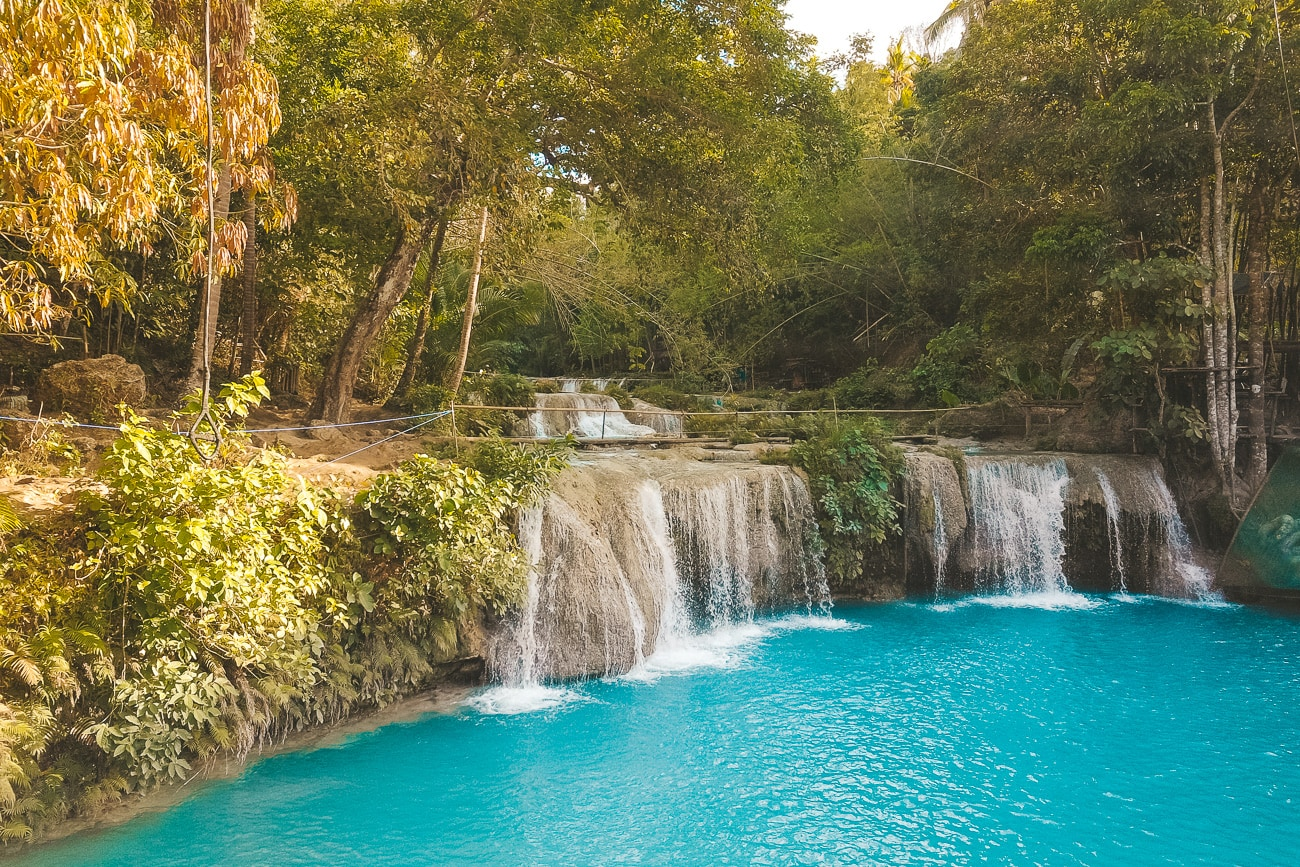
Siquijor in Rainy Season: Making the Most of Off-Peak Travel
Discover the advantages of visiting Siquijor during the wet season. Lower prices, fewer crowds, lush landscapes, and activities that work regardless of weather.
 Island Adventures Team
 Siquijor in Rainy Season: The Underrated Advantage
Most travelers avoid the tropics during wet season. That’s exactly why you shouldn’t.
Siquijor’s rainy season (June to November) transforms the island into something different—not worse, just different. Waterfalls thunder with power. Landscapes explode in green. Prices drop. Crowds vanish. And the rain itself? Often just an afternoon interlude before clear skies return.
This guide is for travelers who see opportunity where others see obstacle.
The Rainy Season Reality
What “Rainy Season” Actually Means
Forget images of weeks of grey drizzle. Tropical rain follows patterns:
Typical Rainy Season Day:
- 6:00 AM: Clear, cool, dewdrops on leaves
- 7:00-11:00 AM: Sunshine, some clouds building
- 12:00-2:00 PM: Clouds thickening
- 3:00-5:00 PM: Rain (often intense but brief)
- 6:00 PM: Clearing, dramatic sunset possible
- 7:00 PM+: Clear or partly cloudy evening
All-day rain happens, but it’s the exception, not the rule.
Month-by-Month
June: Transition month. Rains beginning. Still plenty of dry time. July: Wet season established. Regular afternoon showers. August: More consistent rain. Typhoon season for broader region. September: Wettest month. Multiple rainy days per week. October: Still wet, improving late month. November: Transition back to dry. Rapidly improving conditions.
Pro Tip
September is the wettest and cheapest month. If you’re flexible and budget-conscious, this is when you’ll get the best deals—but plan for at least 2-3 indoor/flexible days.
The Advantages
Dramatic Price Drops
Accommodation that costs ₱3,000/night in March might run ₱1,500-2,000 in September. Some specific savings:
Budget Accommodation: 20-30% lower Mid-range Resorts: 30-40% lower Luxury Properties: 40-50% lower, often with extras (free meals, spa credits)
Diving courses, tours, and other activities also discount during slow season.
Empty Beaches and Sites
Picture having Cambugahay Falls essentially to yourself. Riding your motorcycle without passing another tourist. Restaurants happy to see you, offering attentive service.
Rainy season Siquijor is the island as it exists for residents—quieter, slower, more authentic.
Lush Landscapes
Dry season Siquijor is beautiful, but rainy season Siquijor is alive:
- Every leaf shimmers emerald
- Waterfalls roar with full volume
- Rice paddies glow neon green
- Flowers bloom everywhere
Photographers, take note: this is when the island looks most dramatic.
Cultural Immersion
With fewer tourists, locals have more time and inclination to connect. Conversations happen. Invitations are extended. The island reveals its personality beyond the tourist script.
Waterfall Power
Cambugahay in dry season is a gentle cascade. Cambugahay after heavy rain is a thundering force. The same goes for every waterfall on the island—rainy season brings them to life.
Activities That Thrive
Cave Exploration
Rain or shine, Cantabon Cave remains a constant 20°C with consistent conditions. The underground river may run higher (adding to the adventure), but the cave itself is weather-proof.
Cantabon Cave
Underground adventure unaffected by surface weather. The cave river may be more exciting after rain.
Waterfalls at Peak Flow
This is when Siquijor’s falls show their true power:
- Cambugahay Falls: Thundering main cascade, powerful lower tiers
- Lugnason Falls: Remote falls at maximum drama
- Lagaan Falls: Hidden gem worth the trek in wet conditions
The swimming may be rougher, but the spectacle is unmatched.
Wellness and Spa
Rainy afternoons are perfect for:
- Traditional hilot massage
- Spa treatments at resorts
- Yoga sessions
- Reading in comfortable accommodation
- Long, leisurely meals
Pro Tip
Book spa treatments for afternoon time slots—this way you’re productively relaxed while rain falls outside.
Cultural Exploration
Churches, the Lazi Convent, and museums don’t close for rain:
- Lazi Church & Convent: Explore the massive historical complex
- St. Francis of Assisi Church (Siquijor Town): Spanish colonial heritage
- Siquijor Heritage Museum: Local history and artifacts
Healer Visits
Siquijor’s traditional healers (mananambal) work year-round. Rainy season may actually make appointments easier to arrange:
- Less tourist demand means more availability
- Quieter conditions for meaningful consultations
- Longer conversations are possible
Food Exploration
Rain doesn’t stop restaurants from serving. Use indoor time to explore local cuisine:
- Cooking classes (some resorts offer these)
- Restaurant hopping between showers
- Market visits (markets run regardless)
- Trying local karinderya (local eateries)
Activities That Require Adjustment
Diving
Rainy season diving is possible but different:
Challenges:
- Reduced visibility (10-20m vs. 25-35m peak season)
- Rougher surface conditions possible
- Some dive shops reduce operations
- Fewer fellow divers (could be pro or con)
Benefits:
- Filter-feeder activity increases
- Pelagic activity can increase
- Private dive guide attention
- Lower prices
Most shops continue operations except during active storms.
Beach Days
Beach days are still possible but require timing:
- Morning swims: Usually excellent before noon
- Afternoon uncertainty: May get rained out
- Sunset hope: Often clears by evening
Pack beach gear, but keep backup plans.
Cliff Jumping at Salagdoong
Possible but weather-dependent:
- Morning visits are best bet
- Water visibility reduced after rain
- Crowds essentially zero (you may have it alone)
- Check with locals about current conditions
Important
Heavy rain can cause debris in water. If it rained hard the previous day, water may be murky and jumping riskier. When in doubt, swim and snorkel instead of jumping.
Motorcycle Touring
Riding between showers is common practice:
- Morning rides (6-11 AM) usually dry
- Check radar/forecasts for patterns
- Carry rain gear (always)
- Road surfaces get slippery—reduce speed
- Consider car hire for maximum flexibility
Essential Gear
Rain Protection
Quality Rain Jacket: Not a cheap poncho—a proper jacket that breathes. You’ll wear it frequently.
Waterproof Day Bag: Keep electronics dry during sudden showers.
Dry Bag: For beach trips, boat rides, or extra protection during activities.
Footwear
Sandals with Grip: Tevas, Chacos, or similar. Regular flip-flops get slippery.
Quick-Dry Shoes: For hiking where sandals aren’t appropriate.
Clothing
Quick-Dry Everything: Cotton takes forever to dry in humidity. Pack synthetic or merino.
Light Layers: Air conditioning feels cold when you’re damp. Bring something warm for indoors.
Electronics
Waterproof Phone Case: Even basic ones help with humidity and splash.
Extra Silica Gel Packets: Toss in camera bag and luggage.
Sample Rainy Season Itinerary
Day 1: Arrival & Settle In
Arrive via ferry (morning ferries most reliable). Explore San Juan. Evening sunset watch—often dramatic after rainy days.
Day 2: Morning Beach, Afternoon Spa
Early swim at Paliton Beach. Return before noon. Lunch, siesta. Afternoon massage or spa treatment.
Day 3: Cave Adventure
Full morning/midday at Cantabon Cave—completely weather-proof. Return by afternoon, relax during likely rain.
Day 4: Waterfall Day
Early start for waterfalls at maximum power. Visit Cambugahay and possibly Lugnason. Accept getting wet—you’re already prepared.
Day 5: Cultural Immersion
Lazi Church and Convent complex (morning). Traditional healer visit (arrange ahead). Food exploration.
Day 6: Flexible Adventure
Check conditions. If clear, dive or beach day. If rainy, cooking class or additional wellness time.
Day 7: Departure Buffer
Ferries occasionally cancel. This buffer day prevents missed connections. If weather cooperates, bonus beach time.
Pro Tip
Always book your departure ferry for later in the day. If morning ferries cancel, afternoon sailings often run. Having a flight that same evening is risky.
Ferry and Transportation
Ferry Reliability
OceanJet (fast ferry from Dumaguete): Most reliable. Cancels less frequently than others.
Montenegro Lines (slower boat from Dumaguete): Also reliable, larger vessel handles rougher seas.
Lite Ferries (RORO to various ports): More weather-sensitive. Longer crossing means more exposure to conditions.
Contingency Planning
- Don’t book flights departing the same day as your ferry
- Have 1-2 buffer days in itinerary
- Know cancellation policies for bookings
- Keep accommodations’ contact info handy for changes
Getting Around the Island
Motorcycle: Still the best option, but:
- Carry rain gear
- Reduce speed on wet roads
- Avoid riding in active storms
- Consider afternoon indoor time instead of riding
Car Rental: More expensive but completely weather-proof. Available through some hotels.
Tricycle: Always available for short distances.
Booking and Accommodation
Negotiating Deals
Rainy season is when to negotiate:
- Ask for lower rates directly (politely)
- Request upgrades—rooms are often empty
- Inquire about long-stay discounts
- Some properties offer rainy season packages
Room Selection
Consider:
- Higher floors (less humidity issues)
- Good ventilation or reliable AC
- Covered outdoor space (for rainy-day hanging out)
- View rooms (watching storms can be entertainment)
Backup Accommodation
Some properties reduce staff during slow season. If your first choice isn’t responsive, have backups ready.
Making Peace with Rain
Mindset Shift
Rainy season travel requires accepting that:
- Some days won’t go as planned
- Flexibility is more valuable than detailed itineraries
- Waiting out weather is a reasonable activity
- Reading, napping, and conversation are legitimate vacation
The Rhythm
After a few days, you’ll internalize the pattern:
- Active mornings
- Restful afternoons
- Evening recovery
It’s actually healthier than pushing through midday heat.
The Reward
By the end of a rainy season trip, you’ll have:
- Spent less money
- Seen the island’s true personality
- Connected more deeply with locals
- Experienced nature at its most dramatic
- Stories that aren’t the same as every other tourist’s
Is It For You?
Rainy Season is Perfect If You:
- Value budget over perfect conditions
- Enjoy solitude
- Appreciate green, lush landscapes
- Have flexible travel dates
- Can entertain yourself during downtime
- Want authentic local interactions
Consider Peak Season If You:
- Have limited vacation days
- Absolutely must dive with maximum visibility
- Can’t handle schedule uncertainty
- Need guaranteed beach days
- Travel with children who need activities
The Bottom Line
Rainy season Siquijor isn’t diminished—it’s different. The island trades postcard-perfect conditions for something rarer: authenticity, solitude, and the kind of travel that requires adaptation rather than consumption.
You’ll get wet. Plans will change. And you’ll discover a Siquijor that high-season tourists never see.
Planning a cave adventure? Our Cantabon Cave guide has everything you need. For wellness-focused rainy season activities, see our yoga and retreat guide.
Frequently Asked Questions
Is it worth visiting Siquijor in the rainy season?
How much does it rain during Siquijor's wet season?
Are ferries affected by rainy season?
What activities work during rainy season?
How much cheaper is rainy season travel?
Island Adventures Team
Off-peak travel enthusiasts sharing the secrets of rainy season exploration.
Related Experiences

Cantabon Cave Spelunking: An Underground Adventure in Siquijor
Navigate underground rivers, squeeze through tight passages, and discover stunning rock formations in Siquijor's most thrilling cave system. Complete spelunking guide included.
Wellness & Yoga in Siquijor: Retreats, Healing & Self-Care
Discover Siquijor's wellness offerings from yoga retreats to traditional healing. Find the island's best spots for rejuvenation, meditation, and holistic health.
Best Time to Visit Siquijor: Month-by-Month Weather & Events Guide
Plan your perfect Siquijor trip with our comprehensive seasonal guide. Weather patterns, festivals, crowd levels, and activities for each month of the year.