Cantabon Cave Spelunking: An Underground Adventure in Siquijor
Navigate underground rivers, squeeze through tight passages, and discover stunning rock formations in Siquijor's most thrilling cave system. Complete spelunking guide included.
 Island Adventures Team
 Cantabon Cave: Siquijor’s Underground Wonderland
Deep beneath the forested hills of Siquijor’s interior, a different world exists—one carved over millions of years by water and time. Cantabon Cave is the island’s premier spelunking destination, offering adventurers the chance to wade through underground rivers, squeeze through narrow passages, and discover cathedral-like chambers adorned with stalactites and stalagmites.
This isn’t a walk-through tourist cave with paved paths and handrails. Cantabon is a living, breathing cave system that demands respect and rewards courage. It’s muddy, tight in places, and absolutely unforgettable.
The Cave System
Cantabon Cave stretches approximately 800 meters through the limestone karst that underlies much of Siquijor’s interior. The cave system includes:
- Three main chambers with ceiling heights up to 20 meters
- An underground river that flows year-round
- Multiple passages ranging from walk-through to crawl-only
- Active formations including stalactites, stalagmites, and flowstone
The cave was used as a hideout during World War II and later as a source of guano fertilizer before becoming an adventure tourism destination in the 2000s.
What to Expect
The Approach
Cantabon Cave is located in the barangay of the same name, about 8 kilometers from Siquijor Town. The journey starts at the Cantabon Cave registration area, where you’ll meet your guide and pay the entrance fee.
From the registration area, it’s a 15-20 minute walk through farmland and forest to the cave entrance. The trail crosses a small river (your first preview of getting wet) and passes through bamboo groves.
Cantabon Cave Entrance
The cave entrance is a large opening in the hillside, partially hidden by vegetation. Cool air flows from within—a natural air conditioning that's welcome after the hike.
Entering the Cave
The entrance chamber is the cave’s most dramatic introduction. Natural light filters through the opening, illuminating a space large enough to fit a small house. Your guide will do a final equipment check here and explain the signals you’ll use in the cave.
Within a few minutes of walking, the entrance light fades and you’re dependent on your headlamp. This is when the real adventure begins.
The Underground River
For about 200 meters, you’ll wade through Cantabon’s underground river. The water depth varies from ankle-deep to waist-deep depending on the season and recent rainfall.
The riverbed is a mix of sand, gravel, and slippery rocks. Move slowly, test each foothold, and keep your center of gravity low. Your guide will point out the best path.
Pro Tip
Wear water shoes with good drainage and grip—not flip-flops or bare feet. The rocks are sharp and slippery in places. Old sneakers that you don’t mind getting muddy work well too.
The Tight Spots
Cantabon has several sections where the passage narrows significantly. These “squeezes” are part of the adventure:
The Keyhole: A narrow slot about 60cm wide that requires turning sideways to pass. Not suitable for larger body types.
The Crawl: A 10-meter section with a ceiling less than a meter high. You’ll either duck-walk or crawl through, depending on your height.
The Chimney: A vertical climb of about 3 meters using natural hand and footholds.
Important
If you have claustrophobia, this cave may not be for you. There’s no shame in turning back—your guide can escort you out while other group members continue. It’s better to recognize your limits than to panic in a tight space.
The Cathedral Chamber
After the challenges comes the reward: a massive chamber with ceilings soaring overhead and formations that took millennia to create. This is where your guide will likely turn off all lights for a moment of complete darkness—the kind of dark that prehistoric humans knew but modern people rarely experience.
In this chamber, you’ll see:
- Stalactites hanging like stone icicles from the ceiling
- Stalagmites rising from the floor to meet them
- Columns where the two have joined
- Flowstone cascading down the walls like frozen waterfalls
Your guide will point out formations with local names: the elephant, the Virgin Mary, and others that require a bit of imagination to see.
Tour Options
Standard Tour (2-3 hours)
The standard route covers the main chambers and river sections. Suitable for most people with reasonable fitness.
Price: ₱500-800 per person (includes guide)
Extended Exploration (3-4 hours)
Includes side passages and additional chambers not on the standard route. More challenging squeezes and climbs.
Price: ₱1,000-1,500 per person (includes guide)
Photography Tour
Extended time in the major chambers for photography, with guide assistance for lighting and positioning.
Price: ₱1,500+ depending on duration
Essential Tips
What to Bring
Must Have:
- Headlamp or flashlight (guides provide if needed)
- Water shoes or old sneakers
- Quick-dry shorts and shirt
- Change of dry clothes (leave in car/at registration)
- Small waterproof bag for phone/wallet
- Water bottle
- Snack for after
Leave Behind:
- Jewelry (can catch on rocks)
- Expensive cameras without waterproof housing
- Anything you’d be upset to lose
Physical Requirements
Be honest with yourself about your fitness level:
- Can you walk for 2-3 hours on uneven terrain?
- Can you maintain balance on slippery surfaces?
- Can you crawl through tight spaces?
- Can you handle moderate physical exertion in humidity?
If you answered yes to all, you’re ready for the standard tour.
Safety Guidelines
Always follow your guide. They know the safe routes, understand water level changes, and can navigate in total darkness if needed.
Move slowly and deliberately. Rushing causes slips and injuries. The cave has been there for millions of years—it’s not going anywhere.
Protect the formations. Don’t touch stalactites or stalagmites. The oils from human skin can stop their growth. Take only photos, leave only footprints.
Stay with your group. The cave has multiple passages. Getting separated in the dark is dangerous.
Pro Tip
Before any squeeze or climb, hand your headlamp to your guide to light the way from the other side. It’s easier to move without a light bouncing on your head, and you can see exactly where to place hands and feet.
When to Go
Best Season
December to May (dry season) offers the safest and most comfortable conditions. Water levels are lower, and there’s no risk of flash flooding.
Rainy Season Considerations
The cave can flood during heavy monsoon rains. Tours may be suspended during or after significant rainfall. If visiting June through November, check conditions with the guides before making the trip.
Time of Day
Most people start between 8-10 AM to avoid the midday heat on the approach hike. Early starts also mean you’re more likely to have the cave to yourself.
Getting There
From San Juan
Drive inland toward Siquijor Town, then follow signs toward Barangay Cantabon. The road becomes unpaved for the last 2km. Total drive time: approximately 30 minutes.
By Motorbike
The route is manageable by motorbike, but the last section is rough. Park at the registration area (secure parking available for ₱20).
By Guided Tour
Many resorts and tour operators include Cantabon Cave in their island tour packages. This is the easiest option as it includes transport and handles all arrangements.
The Guides
Cantabon’s guides are local residents who’ve been exploring these caves since childhood. They’re not just showing you around—they’re sharing their backyard.
The guide fee (included in entrance cost) supports local families directly. Tips are appreciated for excellent service.
What makes a good cave guide:
- Patience with nervous explorers
- Knowledge of formations and cave life
- Equipment backup (extra lights, first aid)
- Humor to keep the mood light
Pro Tip
Ask your guide about the cave’s history and any local legends. Many Siquijodnon believe caves are home to spirits and have fascinating stories about Cantabon’s supernatural side.
Cave Life
Despite the darkness, Cantabon is home to various creatures:
Bats: Several species roost in the deeper chambers. You’ll likely hear them before you see them. They’re harmless and essential for the cave ecosystem.
Cave Spiders: Large but non-aggressive, they build impressive webs near the entrance where flying insects enter.
Crabs and Shrimp: The underground river hosts freshwater crustaceans that have adapted to low-light conditions.
Swiftlets: Birds that nest near the entrance, using echolocation to navigate in darkness.
Photography in the Cave
Photographing caves is challenging but rewarding:
Camera Settings
- High ISO (1600-6400) to capture ambient light
- Slow shutter speeds require a tripod or stable surface
- Wide aperture (f/2.8-4) when possible
- Manual focus (autofocus struggles in darkness)
Lighting Tips
- Bring a separate flashlight to “paint” formations with light
- Avoid direct flash—it creates harsh shadows and disturbs wildlife
- Long exposures with moving lights create ethereal effects
- Silhouettes against illuminated chambers are dramatic
Waterproof Considerations
Your camera will get wet. If it’s not waterproof or in a housing, keep it in a dry bag except for photos in dry chambers.
After the Cave
Emerging from Cantabon into daylight feels like arriving on a new planet. Your eyes take time to adjust, and the mundane forest seems impossibly colorful.
Clean up: The registration area has basic washing facilities. You’ll want to rinse off the mud before getting in a vehicle.
Refuel: Bring snacks, or one of the local families near the registration may sell drinks and simple food.
Combine with other sites: The cave is relatively close to the century-old Lazi Church and San Isidro Labrador Convent, making for a good half-day itinerary.
Is It Worth It?
Cantabon Cave offers something increasingly rare: genuine adventure without artificial safety nets. It’s uncomfortable at times, challenging, and completely real.
For those seeking a sanitized tourist experience, look elsewhere. But if you want to test yourself against the earth itself—to crawl through passages carved by ancient water and stand in chambers no sunlight has ever touched—Cantabon delivers.
The cave doesn’t care about your Instagram aesthetic or your comfort zone. It offers its wonders to those willing to get muddy, squeeze through tight spots, and trust their guide into the darkness.
And in that darkness, you might discover something about yourself you didn’t know was there.
Looking for more Siquijor adventures? Try cliff jumping at Salagdoong or explore the island’s scenic roads on our motorcycle routes guide.
Frequently Asked Questions
How long does the Cantabon Cave tour take?
Do I need prior caving experience?
Is Cantabon Cave safe?
Can children explore Cantabon Cave?
What should I wear for cave exploration?
When is the best time to visit Cantabon Cave?
Island Adventures Team
Local adventure guides sharing Siquijor's most exciting experiences.
Related Experiences
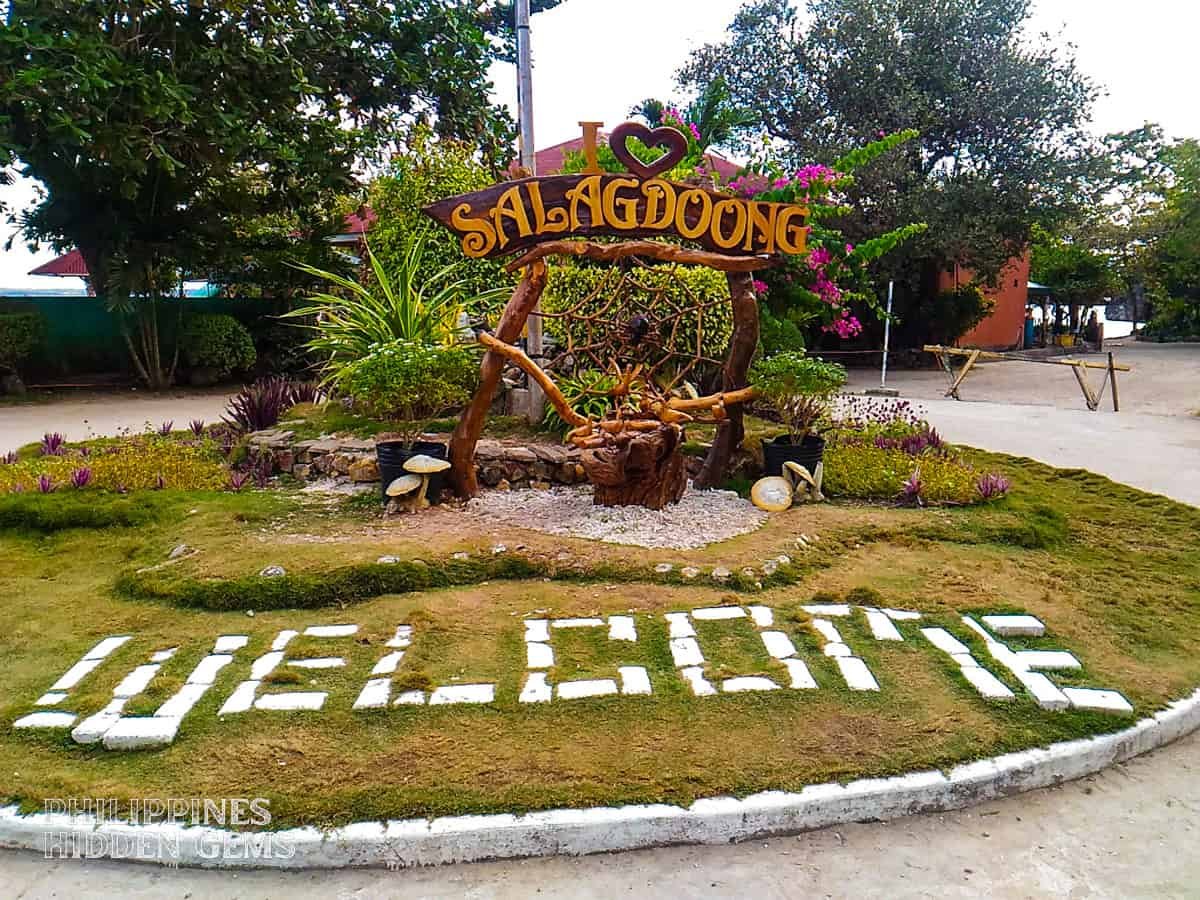
Cliff Jumping at Salagdoong Beach
Your complete guide to cliff jumping at Salagdoong Beach - Siquijor's most thrilling adventure with platforms at 5m, 8m, and 10m heights.
Siquijor Motorcycle Routes: The Complete 72km Island Loop Guide
Explore Siquijor's scenic coastal and mountain roads by motorcycle. Detailed route guide covering all six municipalities, hidden stops, and essential rider tips.
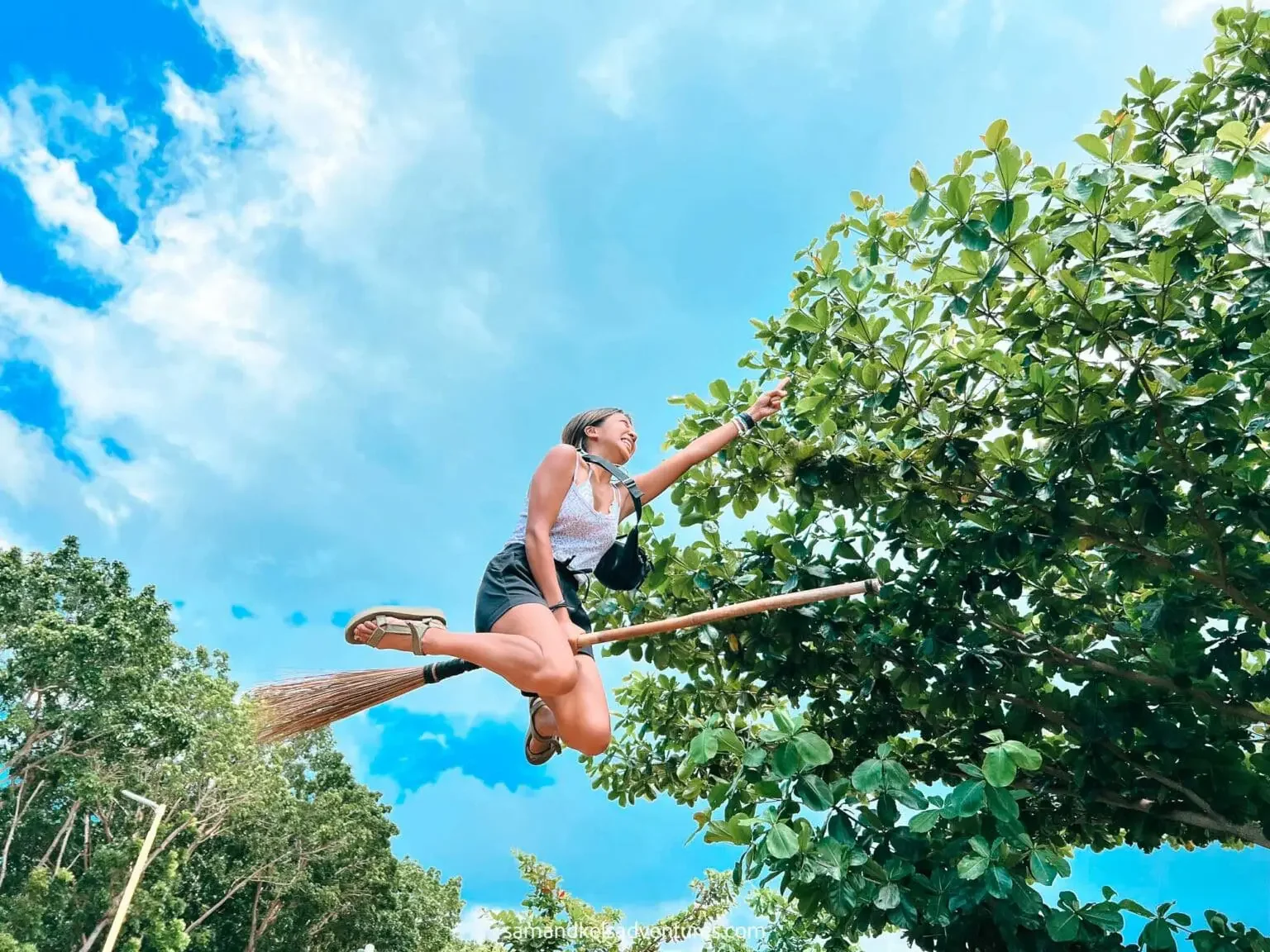
15 Most Instagrammable Spots in Siquijor (With GPS Coordinates)
Find the most photogenic locations in Siquijor for stunning social media content. Exact locations, best times to shoot, and tips for each iconic spot.