
Weather-Smart Siquijor: March Travel Guide for Optimal Island Conditions
Master March weather patterns in Siquijor for perfect island timing. Essential guide to dry season conditions, temperature, rainfall, and activity planning.
March marks the sweet spot of Siquijor’s dry season, delivering the kind of weather that makes travel brochures look understated. After analyzing years of weather data and countless visitor experiences, March consistently ranks as one of the three best months to explore this mystical island.
Why March Weather Makes Siquijor Magical
Temperature perfection. March temperatures hover in the Goldilocks zone - not the scorching heat of April and May, not the occasional rain of February. Daily highs reach a comfortable 30-32°C (86-90°F) while evenings cool to a pleasant 24-26°C (75-79°F).
Minimal rainfall. March averages only 45-65mm of precipitation across the entire month. Compare this to August’s 180mm or October’s 220mm, and you understand why March feels like nature’s gift to travelers.
Consistent sunshine. Expect 8-9 hours of brilliant sunshine daily, with cloud cover rarely exceeding 30%. This translates to reliable beach days, predictable sunset times, and optimal conditions for every outdoor activity.
Hour-by-Hour Weather Patterns
Understanding Siquijor’s daily weather rhythm helps you plan activities with precision:
6:00-8:00 AM: Golden Hour
- Temperature: 24-26°C
- Humidity: 75-80%
- Wind: Light land breeze
- Perfect for: Sunrise photography, early morning swims, jogging
9:00 AM-12:00 PM: Morning Perfect
- Temperature: 28-30°C
- Humidity: 65-70%
- Wind: Calm to light sea breeze
- Perfect for: Waterfall visits, inland exploration, motorbike touring
1:00-4:00 PM: Peak Heat
- Temperature: 30-32°C
- Humidity: 60-65%
- Wind: Moderate sea breeze
- Perfect for: Beach activities, swimming, shaded restaurant lunches
5:00-7:00 PM: Golden Return
- Temperature: 28-30°C
- Humidity: 70-75%
- Wind: Light sea breeze
- Perfect for: Sunset viewing, evening photography, outdoor dining
8:00 PM onwards: Tropical Evening
- Temperature: 25-27°C
- Humidity: 80-85%
- Wind: Light land breeze
- Perfect for: Night markets, stargazing, evening walks
Activity-Specific Weather Optimization
Waterfall Adventures
Best timing: 9:00 AM - 11:00 AM March’s lower rainfall means waterfall flow is moderate - perfect for swimming without dangerous currents. Cambugahay Falls maintains its picture-perfect turquoise pools while remaining safe for cliff jumping.
Beach Activities
Peak conditions: 1:00 PM - 4:00 PM Sea temperatures reach 28-29°C, with minimal waves and excellent visibility for snorkeling. The afternoon sea breeze provides natural cooling while you’re on the beach.
Photography Sessions
Magic hour timing: 5:30-6:30 AM and 5:30-6:30 PM March’s clear skies create stunning golden hour conditions. Sunrise at Kagusuan Beach offers unobstructed views, while sunset at Salagdoong Beach provides dramatic cliff silhouettes.
Motorcycle Island Tours
Optimal window: 8:00 AM - 4:00 PM Lower temperatures and minimal rain risk make March ideal for the 3-hour coastal road circuit. Pack sunscreen but skip the rain gear.
Packing for March Weather Success
Essential items:
- Reef-safe sunscreen (SPF 30+)
- Lightweight, breathable clothing
- Quick-dry swimwear
- Light cotton shirts for evening
- Flip-flops and water shoes
- Portable shade (umbrella or hat)
Skip these items:
- Heavy rain jacket
- Warm clothing
- Waterproof bags (unless diving)
- Thick towels (thin ones dry faster)
March vs. Other Months: The Data
| Month | Avg Temp | Rainfall | Sunshine Hours | Tourism Level |
|---|---|---|---|---|
| February | 29°C | 75mm | 7-8 hours | High |
| March | 31°C | 55mm | 8-9 hours | Peak |
| April | 32°C | 45mm | 8-9 hours | Peak |
| May | 33°C | 60mm | 7-8 hours | High |
March offers the perfect balance: warmer than February but not as intense as April-May. You get peak dry season benefits without the crowds that April’s school holidays bring.
Weather Myths Debunked
Myth: “March is too hot for hiking.” Reality: Morning temperatures (24-26°C) are perfect for inland trails. Start early, finish by noon.
Myth: “You need rain gear in March.” Reality: March rainfall typically comes as brief, evening showers that last 20-30 minutes.
Myth: “Sea conditions are rough in March.” Reality: March typically features the calmest seas of the year, perfect for snorkeling and diving.
Weather-Related Safety Tips
Sun Protection Protocol
March’s intense UV requires serious sun protection:
- Apply sunscreen 30 minutes before exposure
- Reapply every 90 minutes when in water
- Seek shade during 11 AM - 2 PM peak UV hours
Hydration Strategy
High temperatures and low humidity increase dehydration risk:
- Drink 500ml water every hour during outdoor activities
- Choose coconut water over sports drinks
- Avoid alcohol during peak heat hours
Heat Management
Even perfect weather requires smart heat management:
- Take breaks in air-conditioned spaces every 2-3 hours
- Plan strenuous activities for morning hours
- Use cooling towels during afternoon activities
March-Specific Island Experiences
Mango Season Overlap
March marks the beginning of Siquijor’s mango season. Local varieties start ripening, offering fresh fruit experiences unavailable other times of year.
Clear Water Conditions
Minimal rainfall means optimal underwater visibility for diving and snorkeling. March consistently delivers 20-25 meter visibility at popular dive sites.
Perfect Photography Light
Consistent sunshine creates reliable lighting for photography. No need to plan backup indoor activities - outdoor plans rarely get weather-cancelled.
Budget Considerations
March weather perfection comes with peak season pricing:
- Accommodation rates: 20-30% above low season
- Tour prices: Standard high season rates
- Restaurant crowds: Higher, especially weekends
Budget tip: Book accommodations 2-3 months ahead for better rates during this popular weather window.
Planning Your March Visit
Ideal trip length: 5-7 days March weather is so consistent you can pack more activities into shorter timeframes without weather delays.
Must-do activities for March weather:
- Full coastal road motorcycle tour (perfect road conditions)
- Multiple waterfall visits (safe water levels)
- Island hopping tours (calm seas)
- Extensive beach time (optimal temperatures)
- Sunset photography sessions (clear evening skies)
Climate Change Considerations
Recent weather patterns show March conditions extending slightly into early April, while February has become more variable. This makes March an even safer bet for guaranteed good weather.
The Bottom Line
March delivers Siquijor weather at its absolute best - warm but not scorching, dry but not parched, sunny but not overwhelming. It’s the month when every activity works, every beach day succeeds, and every sunset delivers Instagram-worthy shots.
If you have flexibility in your travel dates, March offers the optimal balance of perfect weather and reasonable crowds. It’s Siquijor’s weather sweet spot, where the island reveals itself exactly as nature intended.
Planning a March trip? Expect the best weather of your Philippine island adventure. Just remember that everyone else knows this too - book early and embrace the fact that you’ll be experiencing Siquijor at its absolute peak.
Siquijor.xyz Editorial Team
Related Experiences
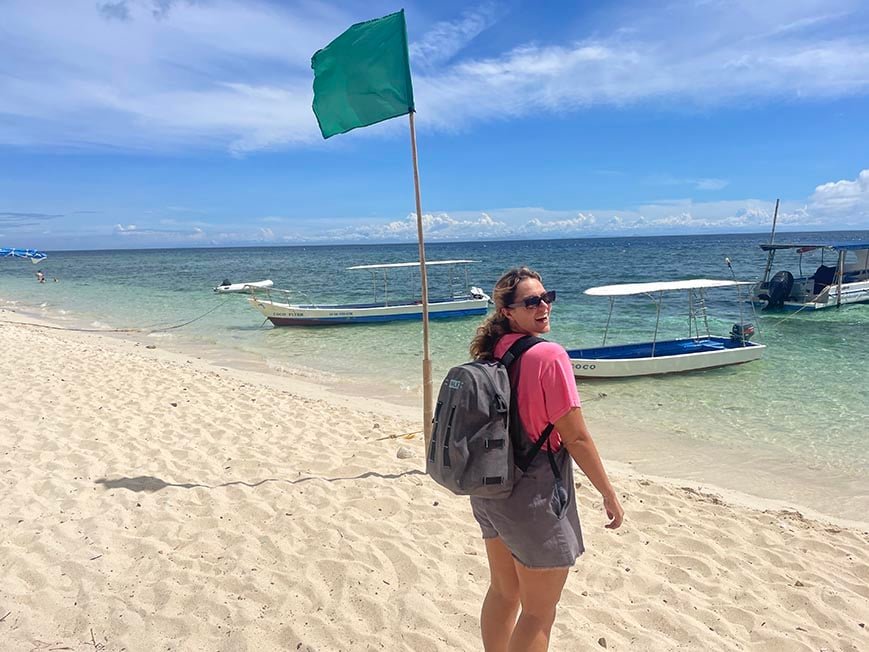
Solo Travel in Siquijor 2026: The Independent Explorer's Guide
Everything solo travelers need to know about Siquijor in 2026: safety, accommodation, making connections, and why the island is perfect for independent exploration.
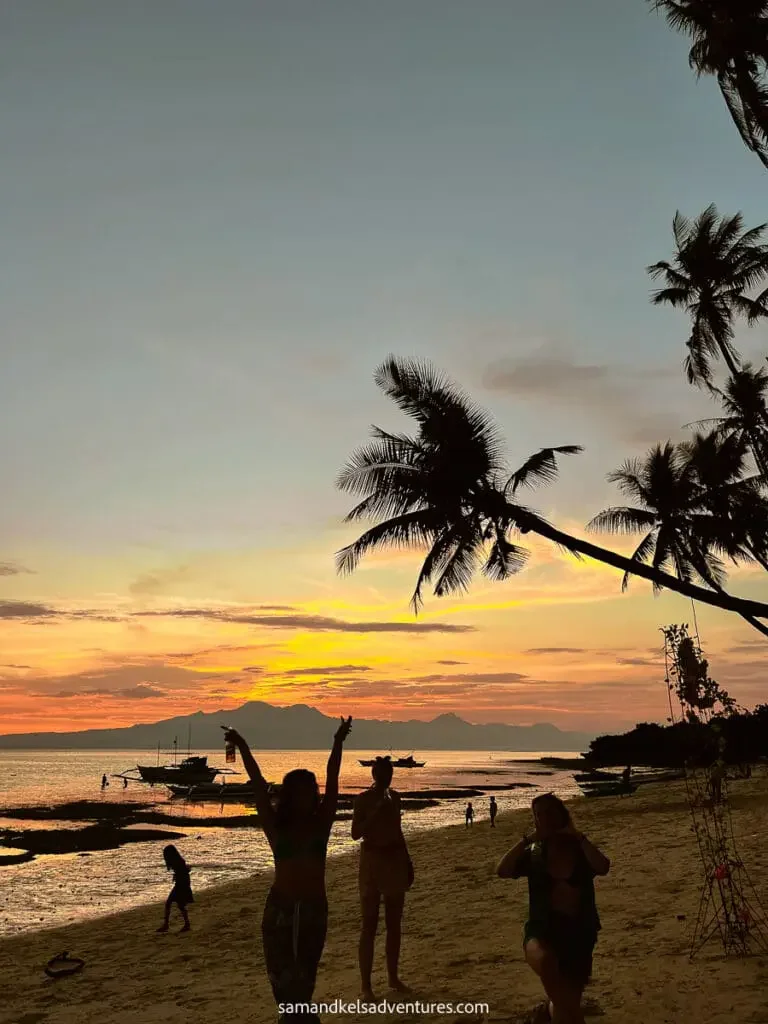
10 Stunning Sunrise Photography Spots in Siquijor
Capture magical golden hour moments at these handpicked sunrise locations across Siquijor Island. GPS coordinates, timing tips, and camera settings for each spot.
Best Time to Visit Siquijor: Month-by-Month Weather & Events Guide
Plan your perfect Siquijor trip with our comprehensive seasonal guide. Weather patterns, festivals, crowd levels, and activities for each month of the year.