Siquijor Vegan & Vegetarian Food Guide: Plant-Based Dining
Complete guide to vegan and vegetarian dining in Siquijor. Plant-based restaurants, local veggie dishes, market finds, and tips for eating meat-free.
Traveling as a vegan or vegetarian in the Philippines can feel like navigating a culinary obstacle course. Pork, chicken, and fish dominate most menus, and the concept of a fully plant-based meal remains unfamiliar in many provincial areas. Siquijor, however, is quietly becoming one of the most accommodating islands in the Visayas for plant-based travelers, thanks to a growing wellness community, an abundance of tropical produce, and a handful of restaurants that genuinely understand meat-free cooking.
This guide covers everything you need to know about eating vegan and vegetarian on the Mystic Island, from dedicated plant-based restaurants to local dishes that are naturally meat-free, plus strategies for navigating traditional Filipino menus without compromising your dietary choices.
The Plant-Based Landscape on Siquijor
Siquijor’s food scene has evolved significantly over the past few years. The island’s reputation as a wellness and healing destination has attracted a steady stream of health-conscious travelers, yoga practitioners, and long-term expats who have helped shape local dining options. Several restaurants now offer dedicated vegan and vegetarian sections on their menus, and a few operate as entirely plant-based establishments.
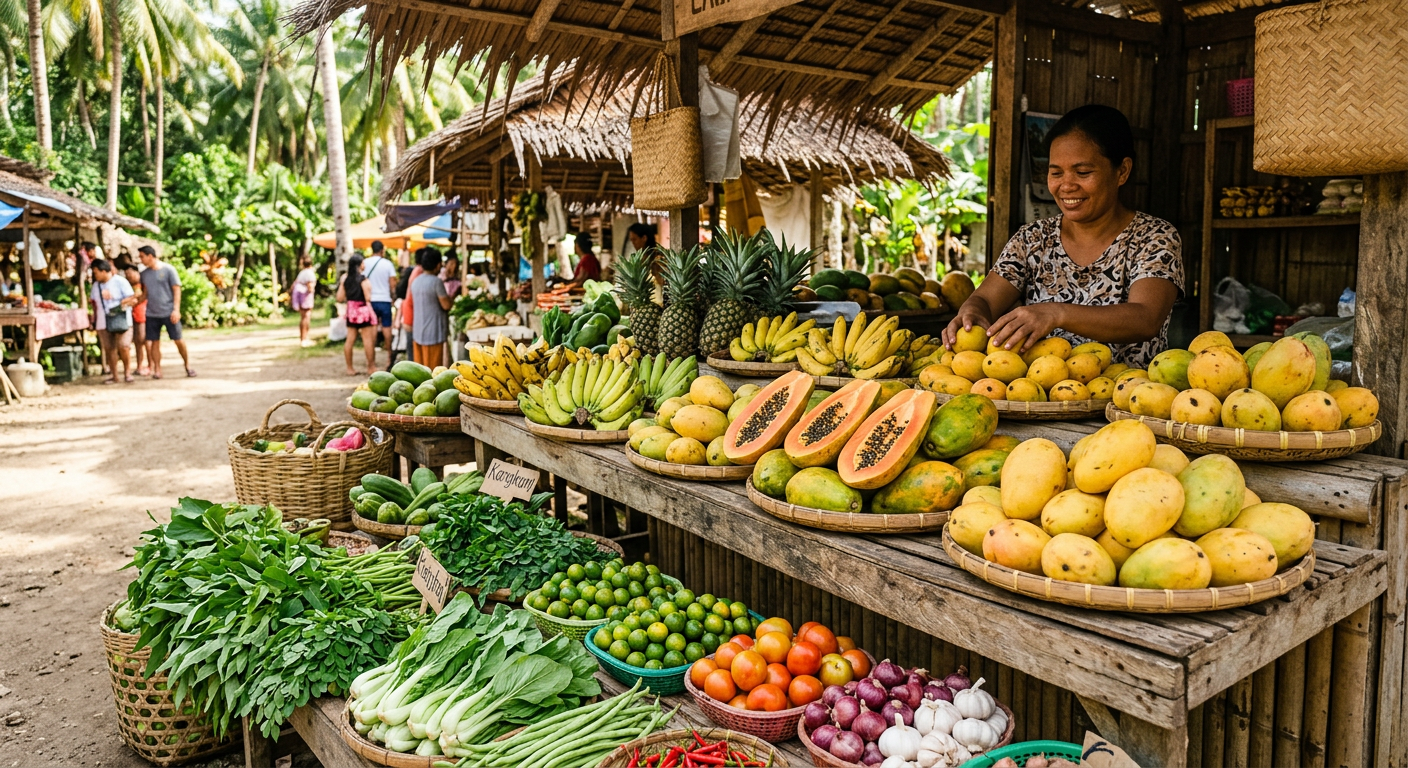
The island’s natural bounty works in your favor. Siquijor’s tropical climate produces an extraordinary variety of fruits and vegetables year-round. Coconuts, bananas, papayas, mangoes, jackfruit, sweet potatoes, moringa (malunggay), and various leafy greens grow abundantly across the island. The weekly public markets overflow with fresh produce that costs a fraction of what you would pay in Manila or Cebu.
That said, understanding the local food culture helps set realistic expectations. Many traditional Filipino dishes use fish sauce (patis), shrimp paste (bagoong), or chicken stock as base ingredients, even in vegetable-forward dishes. Communicating your dietary needs clearly and knowing which local dishes are naturally plant-based will make your experience significantly smoother.
Restaurants with Strong Plant-Based Menus
San Juan: The Hub for Vegan-Friendly Dining
San Juan is where most travelers base themselves, and it offers the highest concentration of restaurants catering to plant-based diets.
Salamangka Resort Restaurant serves a menu that reflects international wellness cuisine with strong Filipino influences. Their vegetable curry uses coconut milk from locally sourced coconuts and features seasonal vegetables from nearby farms. The mushroom sisig, a plant-based twist on the classic Filipino bar food, replaces pork with locally foraged oyster mushrooms and delivers a surprisingly convincing umami punch. They are also one of the few restaurants on the island that clearly labels vegan and vegetarian options on their menu.
Baha Bar has built a reputation for creative cocktails, but their food menu deserves equal attention from plant-based diners. Their Buddha bowls combine quinoa or brown rice with roasted sweet potato, pickled vegetables, avocado, and a tahini-based dressing. The spring rolls filled with mango, cucumber, and fresh herbs come with a spicy peanut dipping sauce that makes them dangerously addictive. Most items can be modified to be fully vegan upon request.
Monkey Business caters heavily to the backpacker and digital nomad crowd, and their menu reflects a global awareness of dietary preferences. They offer smoothie bowls loaded with local fruits, vegetable wraps, and a solid selection of salads. Their homemade hummus served with grilled flatbread has become something of a cult favorite among long-stay visitors.
Larena and Siquijor Town
The port towns of Larena and Siquijor offer fewer dedicated options but still have workable choices. Coral Cay Resort in Larena serves a mixed menu with several vegetarian pasta dishes and salads made from garden-grown ingredients. In Siquijor town, the small eateries near the public market often have vegetable-only dishes available, particularly during lunch service.
Lazi and the South Coast
The southern portion of the island is less developed for tourism dining, but Kawayan Holiday Resort near Lazi offers a small menu with customizable options. Their cook is willing to prepare vegetable stir-fries and rice dishes without meat when given advance notice. This willingness to accommodate is common across Siquijor. Even restaurants without dedicated vegan options will often prepare something special if you ask politely and give them a bit of lead time.
Traditional Filipino Dishes That Are Naturally Plant-Based
One of the best strategies for eating vegan in Siquijor is learning which traditional dishes are already meat-free or can be easily adapted.
Ensaladang talong (eggplant salad) is one of the most common side dishes in Filipino cuisine. Eggplants are grilled over charcoal until the skin blisters and the flesh becomes silky soft, then chopped and dressed with vinegar, onions, and tomatoes. The standard version sometimes includes a beaten egg, but requesting it without is straightforward and the dish loses nothing in translation.
Ginataang kalabasa (squash in coconut milk) is a rich, satisfying stew that appears frequently on local menus. Squash is simmered in thick coconut cream with string beans, chili leaves, and sometimes moringa. The traditional version may include shrimp, but the vegetable-only preparation is equally common and entirely delicious.
Pinakbet is a mixed vegetable dish that originated in the Ilocos region but has become a staple across the Philippines. The Siquijor version typically includes squash, eggplant, okra, bitter melon (ampalaya), string beans, and tomatoes. The challenge for vegans is that it traditionally uses bagoong (fermented shrimp paste) as a seasoning. Ask for it prepared with soy sauce instead, and most cooks will happily oblige.
Ginisang monggo (sauteed mung beans) is a hearty, protein-rich dish that Filipinos typically eat on Fridays as part of Catholic tradition. The base of mung beans simmered with garlic, onions, tomatoes, and leafy greens is entirely plant-based. Some preparations add pork cracklings or shrimp on top, but the core dish stands perfectly well on its own.
Lumpiang sariwa (fresh spring rolls) are vegetable-filled crepes served with a sweet peanut sauce. The filling is usually jicama (singkamas), carrots, green beans, and tofu. The wrapper is sometimes made with egg, so check with the cook if you are strictly vegan, but the filling itself is reliably plant-based.
Kamote cue and banana cue are street food staples you will find at market stalls and roadside vendors. Sweet potatoes or saba bananas are coated in caramelized brown sugar and deep-fried on skewers. Simple, cheap, and entirely vegan, they make for an excellent mid-afternoon snack.
The Public Market Strategy
The most reliable way to eat well as a vegan in Siquijor is to visit the public markets and cook for yourself, at least some of the time. Most accommodations on the island, from budget guesthouses to mid-range resorts, offer kitchen access or cooking facilities.
Siquijor Town Public Market operates daily but is busiest on weekends. The vegetable section offers whatever is in season: leafy greens like kangkong (water spinach) and pechay (bok choy), tomatoes, onions, garlic, ginger, chili peppers, squash, eggplant, okra, and green beans. Tofu is available from vendors who bring it from Dumaguete on the morning ferry. Prices are remarkably low by any standard. A full bag of vegetables sufficient for several meals rarely exceeds 200 pesos (roughly 4 USD).
The fruit vendors deserve special attention. Siquijor produces outstanding mangoes, particularly during the peak season from March through June. Papayas, bananas (multiple varieties), coconuts, calamansi limes, and jackfruit are available year-round. From June through September, durian occasionally appears, brought over from Mindanao. Avocados, when in season, are enormous and buttery, perfect for toast or salads.
Dried goods stalls stock pantry essentials including various types of rice, dried mung beans, peanuts, cooking oils, soy sauce, vinegar, coconut milk (in cans and freshly pressed), and basic spices. With these ingredients and fresh market produce, you can prepare satisfying meals in even the most basic kitchen.
Cafes and Smoothie Spots
The island’s cafe scene has expanded to meet the demands of digital nomads and wellness travelers, and most cafes now offer plant-based options as standard.
Juan on the Beach in San Juan blends some of the best smoothies on the island. Their green smoothie combines moringa, banana, pineapple, and coconut water for a nutrient-dense start to the day. They also serve acai bowls and overnight oats with tropical fruit toppings. Oat milk and coconut milk are available as dairy alternatives for coffee drinks.
Several smaller cafes along the San Juan strip have followed suit, offering smoothie bowls, fresh juices, and light meals that cater to health-conscious diners. The coffee culture is still developing compared to Cebu or Manila, but the options for plant-based milk alternatives have improved dramatically.
Practical Tips for Vegan and Vegetarian Travelers
Learn key phrases. Even basic Filipino food vocabulary goes a long way. “Walang karne” means “no meat.” “Walang isda” means “no fish.” “Gulay lang” means “vegetables only.” These phrases will serve you well at local eateries where English menus may not be available.
Communicate clearly about hidden ingredients. Fish sauce and shrimp paste are so fundamental to Filipino cooking that many cooks do not consider them “meat.” Be specific: “Walang bagoong, walang patis” (no shrimp paste, no fish sauce) will help avoid confusion.
Bring backup supplies. While Siquijor’s food options have improved, there will be moments, particularly during day trips to remote beaches or waterfall hikes, when your only food option is a sari-sari store selling chips and crackers. Pack nuts, trail mix, energy bars, or fruit from the market for these situations.
Eat where the expats eat. The long-term foreign resident community on Siquijor includes a significant number of vegetarians and vegans. They have done the hard work of identifying and cultivating vegan-friendly dining spots. Joining local Facebook groups or asking at your accommodation for recommendations from expat residents will point you toward the most current options.
Consider timing. The wet market has the freshest and widest selection of produce in the morning. By afternoon, the best items are often sold out. If you plan to self-cater, make the market a morning priority.
Be patient and flexible. Siquijor is a small island in a developing country. Menus change based on what is available. A dish you loved yesterday might not be offered today because the ingredients did not arrive on the ferry. This unpredictability is part of island life, and approaching it with flexibility rather than frustration will make your experience far more enjoyable.
Cooking Classes and Farm Visits
Several accommodations and tour operators on Siquijor offer cooking classes that can be tailored to plant-based cuisine. These classes typically include a visit to the local market to select ingredients, followed by hands-on preparation of Filipino dishes. Requesting a vegetarian or vegan class is straightforward, and cooks are generally enthusiastic about showcasing the breadth of Filipino vegetable cookery, which is far more diverse and interesting than most visitors expect.
Farm visits offer another dimension to the plant-based food experience. Small organic farms scattered across the island’s interior grow everything from moringa and turmeric to leafy greens and tropical fruits. Some welcome visitors and offer informal tours that provide insight into Siquijor’s agricultural traditions. Ask at your accommodation about connecting with local farmers, particularly in the highland barangays around Mount Bandilaan.
The Bigger Picture
Eating plant-based on Siquijor is not just a personal choice. It aligns with the island’s broader movement toward sustainable tourism. The provincial government’s new ecological fee, introduced in February 2026, reflects a growing awareness that preserving Siquijor’s natural environment requires active effort. Reducing demand for imported meat and supporting local vegetable farmers contributes to this ecological balance in a tangible, daily way.
The island’s traditional healing culture, centered on herbal remedies and natural medicine, carries an inherent reverence for plant life that resonates with plant-based philosophy. There is something deeply fitting about eating from the earth on an island whose identity is so intimately connected to the healing power of its flora.
Siquijor may not be Bali or Chiang Mai when it comes to vegan infrastructure, but it is moving in that direction with its own distinct character. The combination of abundant tropical produce, a welcoming wellness community, and a growing number of restaurants that understand plant-based cooking makes it one of the most rewarding islands in the Philippines for travelers who choose to eat without meat.
Come hungry, bring an open mind, and let the island feed you well.
Siquijor.xyz Editorial Team
Local experts sharing authentic Siquijor experiences
Related Experiences

Budget Travel Siquijor: Complete Money-Saving Guide
How to experience Siquijor on a budget - cheap accommodations, free attractions, money-saving tips, and sample budgets for backpackers.

Romantic Siquijor: A Couples & Honeymoon Guide
Plan the perfect romantic getaway in Siquijor. Secluded beaches, sunset dinners, couples activities, and the best accommodation for an intimate island escape.

Digital Nomad Guide to Siquijor: Remote Work in Paradise
Everything remote workers need to know about working from Siquijor: internet, coworking, accommodation, costs, and whether this island suits nomad life.