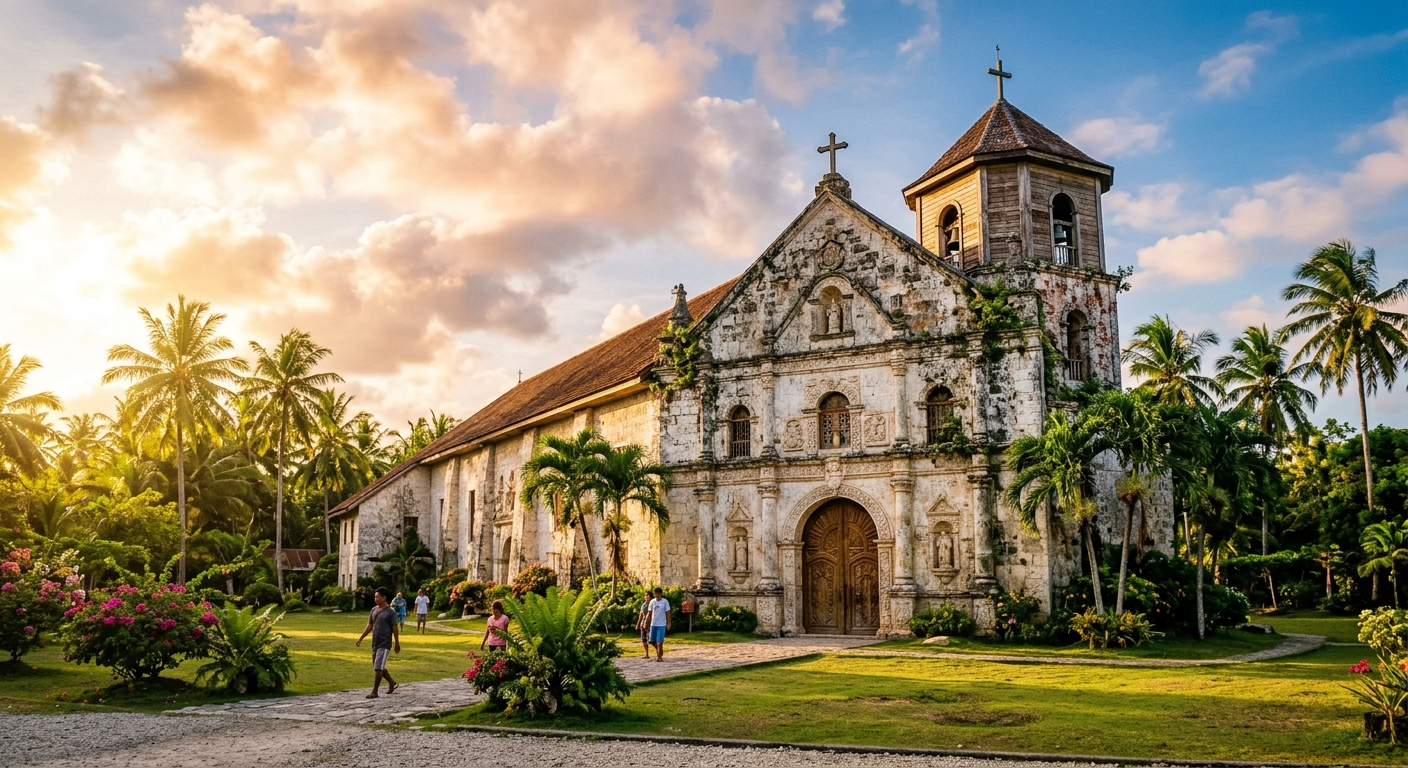
Siquijor Mythical Creatures and Folklore: A Complete Guide
Explore the diwata, engkanto, mananambal healers, and kapre that shape Siquijor's identity as the Philippines' most mystical island.
Siquijor did not earn the nickname “Mystic Island” through tourism marketing. Long before social media made it a trending destination, the island held a reputation across the Visayas that mixed genuine respect with whispered warnings. Elders in nearby provinces told children stories about Siquijor’s forests holding unseen forces. Fishermen described lights dancing on mountaintops that signaled otherworldly gatherings.
Centuries of oral tradition have woven a mythology that remains alive today, coexisting with church attendance and smartphone ownership in ways that show how deeply Filipino folklore runs.
The Diwata and Engkanto: Guardians of the Island
The most prominent supernatural figures in Siquijor tradition are the diwata and engkanto, categories of supernatural beings that overlap but carry distinct characteristics.
Diwata refers to nature spirits who inhabit specific locations. Unlike Western fairies, diwata are not uniformly benevolent. They can be deeply protective of their territory, rewarding those who show respect with good fortune and punishing those who cause harm.
Engkanto, derived from the Spanish word encantado (enchanted), refers to beings who inhabit an alternate version of the same landscape. They are said to live in beautiful dwellings invisible to ordinary eyes. Old trees, unusual rock formations, and springs that pulse with unusual energy are commonly identified as engkanto dwelling places.
Respect for these beings manifests in practical ways. Many Siquijorons say tabi po (“excuse me, with respect”) when passing near large trees or entering unfamiliar areas. This phrase acknowledges the possibility that unseen entities occupy the space. Certain old-growth trees are considered direct gateways to the engkanto realm. Cutting them down is taboo. The famous balete tree in Lazi, estimated at over 400 years old, is frequently cited as a site where the boundary between worlds grows thin.
The Balinsasayaw: Forest Bird Spirits
Siquijor’s older folk knowledge speaks of the balinsasayaw, a forest spirit sometimes described as inhabiting bird form and associated with the island’s old-growth forests. Unlike the mananambal, who practice deliberately to cure the sick, the balinsasayaw represents an older, wilder current of supernatural power. Some accounts describe it as a benevolent guardian spirit. Others treat it with caution as a force that cannot be controlled or summoned.
This distinction reveals something important about Siquijor’s spiritual ecology: not all supernatural forces are meant to be accessed by humans. Some exist simply as part of the landscape, operating on principles that have nothing to do with human needs.
Mananambal: The Traditional Healers
Perhaps the most documented supernatural tradition in Siquijor is the healing practice of the mananambal. These traditional healers combine herbalism, prayer, and spiritual intervention to treat illnesses. Their practice reflects a worldview in which sickness can have physical, spiritual, or moral causes, and treatment must address the appropriate source.
Some mananambal specialize in herbal medicine, using plants that grow in Siquijor’s forests to prepare treatments passed down through generations. Others practice spiritual diagnosis, identifying external influences that may be causing illness. Many combine both approaches.
The healing traditions of Siquijor are recognized by the Philippine Department of Health as part of traditional and alternative medicine, though individual practitioners vary widely in their methods. Visitors interested in experiencing traditional healing should approach with genuine respect rather than treating it as a tourist spectacle.
Respectful behavior includes asking permission before photographs, following the healer’s instructions, and offering customary payment. These practices are not performances but serious cultural traditions with deep community significance.
Kapre: The Giants of Old Trees
The kapre is one of the most widely known supernatural beings in Philippine folklore, and Siquijor has a particularly rich tradition surrounding it. Described as a tall, dark figure who takes residence in large trees, the kapre is neither purely malevolent nor benevolent.
Kapre are associated with the large acacia and balete trees scattered across the island. Locals say the kapre prefers trees with hollow trunks or sprawling root systems, where the boundary between earth and canopy creates a liminal space.
The kapre tradition serves a practical purpose beyond the supernatural explanation itself. By associating these beings with specific trees, communities created informal conservation mechanisms. People thought twice about cutting down trees that might be kapre habitats, which helped preserve the island’s canopy long before environmental awareness programs existed.
Aswang and the Darker Side of Folklore
No discussion of Philippine supernatural beliefs would be complete without addressing the aswang. Generally described as a shape-shifting creature associated with night activity, the aswang tradition is particularly strong in Visayan provinces, and Siquijor carries its share of aswang stories.
Aswang beliefs, while sensational, serve social functions within communities. They reinforce behavioral norms, explain unexplained illness, and sometimes operate as mechanisms of social control. The reputation is not something modern Siquijorons are proud of, and many view the label as an unfair reduction of their island’s identity to sensational folklore.
Where to Encounter Siquijor’s Folkleric Landscape
Visitors who want to engage respectfully with Siquijor’s traditions should focus on locations where folklore is part of living culture rather than staged for tourists.
The Lazi Balete Tree remains the most famous supernatural site, with its massive canopy, spring-fed pool, and the lingering sense that something ancient persists beneath the surface. The fish massage from tiny fish is the practical draw, but the atmosphere carries the weight of centuries of stories.
Old cemeteries in Lazi and Larena, with their coral stone construction and colonial-era markers, are sites where material and supernatural histories converge. Mount Bandilaan, the island’s highest point, is mentioned in numerous stories as a place where the veil between natural and supernatural worlds thins.
Folklore in the Digital Age
The supernatural reputation that once frightened away visitors now draws curious travelers from across the Philippines and the world. Younger generations of Siquijorons navigate a complex relationship with these traditions. Many maintain some beliefs while fully participating in modern life. Others view folklore as cultural heritage worthy of preservation without personal belief.
What remains constant is the recognition that Siquijor’s folklore is a foundational part of what makes the island distinctive among Philippine destinations. The stories reflect centuries of observation, imagination, and cultural synthesis. They deserve the same respect given to any cultural heritage.
Guidelines for Respectful Engagement
- Never mock or dismiss local beliefs, even if they conflict with your own worldview
- Ask before photographing healing sessions, sacred sites, or individuals associated with traditional practices
- Seek established mananambal who serve the local community, not operators performing for tourists
- Participate mindfully in cultural festivals with the spirit of cultural learning
Frequently Asked Questions
What mythical creatures are associated with Siquijor?
Diwata (nature spirits), engkanto (enchanted beings), kapre (tree giants), balinsasayaw (forest bird spirits), and mananambal (traditional healers). The island is also part of the broader Visayan aswang tradition.
Why is Siquijor called the Island of Witches?
Spanish colonizers labeled Siquijor as a center of witchcraft due to the prevalence of traditional healing practices that did not fit Catholic frameworks. The term reflects colonial misunderstanding rather than actual malevolent practices.
Are the supernatural beliefs still taken seriously?
Many Siquijorons maintain some beliefs, particularly regarding diwata and engkanto. Younger generations vary but generally respect these traditions as part of their cultural heritage.
How does Siquijor folklore differ from other Visayan islands?
Siquijor’s tradition is uniquely concentrated around healing practices and the reputation of the island as a place where supernatural power is both accessible and respected. Other Visayan islands have similar creature traditions but fewer active healing practices.
Siquijor.xyz Editorial Team
Local experts sharing authentic Siquijor experiences
Related Experiences

Budget Travel Siquijor: Complete Money-Saving Guide
How to experience Siquijor on a budget - cheap accommodations, free attractions, money-saving tips, and sample budgets for backpackers.

Romantic Siquijor: A Couples & Honeymoon Guide
Plan the perfect romantic getaway in Siquijor. Secluded beaches, sunset dinners, couples activities, and the best accommodation for an intimate island escape.
Digital Nomad Guide to Siquijor: Remote Work in Paradise
Everything remote workers need to know about working from Siquijor: internet, coworking, accommodation, costs, and whether this island suits nomad life.