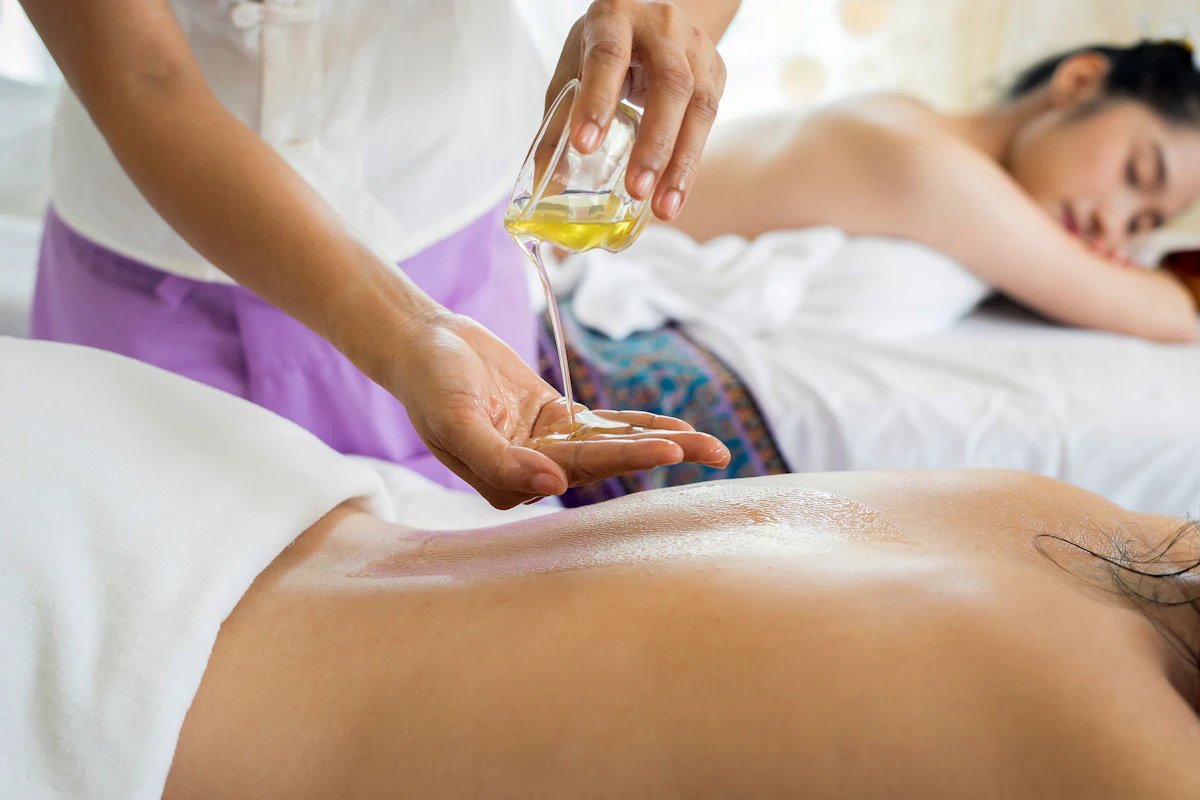
Hilot: Traditional Filipino Massage in Siquijor
Experience authentic hilot massage in Siquijor. Learn about this centuries-old healing art, find practitioners, and understand what to expect.
Long before spa franchises and Swedish massage techniques arrived in the Philippines, there was hilot. This traditional healing art has been passed down through generations, and in Siquijor—an island famous for its mystical healers—hilot remains a living practice, not a museum piece.
Understanding Hilot
History and Origins
Hilot predates Spanish colonization, making it one of the oldest continuous healing traditions in the Philippines. For centuries, every village had its manghihilot (hilot practitioner), often doubling as midwife, bonesetter, and community healer.
The tradition survived through oral teaching—grandmother to granddaughter, healer to apprentice. No textbooks, no certifications. Just hands learning from hands.
How Hilot Works
Unlike Western massage focused on relaxation, hilot is diagnostic. Practitioners:
- Feel for imbalances — sensing “lamig” (coldness) or blocked energy
- Work intuitively — letting their hands find problem areas
- Manipulate joints and muscles — sometimes more like chiropractic than massage
- Incorporate prayer or intention — the spiritual element varies by practitioner
Hilot vs. Modern Spa Massage
| Aspect | Hilot | Spa Massage |
|---|---|---|
| Approach | Diagnostic, therapeutic | Relaxation-focused |
| Oil use | Minimal or coconut-based | Professional massage oils |
| Technique | Intuitive, varies by practitioner | Standardized methods |
| Clothing | Often remain clothed | Typically unclothed |
| Setting | Simple home or outdoor | Spa environment |
| Cost | PHP 200-500 | PHP 800-1,500 |
| Goal | Address specific issues | General relaxation |
The Hilot Experience
What to Expect
Your session will likely follow this pattern:
- Initial conversation — The practitioner asks about your concerns
- Assessment through touch — They feel your body for problem areas
- Treatment — Focused work on areas they identify
- Advice — Post-session recommendations
- Payment — Often called a “donation” for traditional practitioners
Common Techniques
Traditional hilot may include:
- Standard manipulation — Deep pressure on muscles, joints
- Dagdagay — Bamboo stick massage, especially for feet
- Bentosa — Cupping using heated glass or bamboo
- Suob — Herbal steam treatment
- Paligo — Medicinal plant baths
The Sensations
Be prepared for:
- Deep pressure — This isn’t a gentle Swedish massage
- Joint manipulation — Cracking and mobilization is common
- Potential discomfort — Followed by significant relief
- Warmth — From applied oils or the practitioner’s hands
- Emotional release — Sometimes unexpected tears or feelings arise
Pro Tip
Communicate with your hilot practitioner. Say “masakit” (painful) if you need less pressure, or “okay lang” (it’s okay) if the pressure is fine. They’re used to adjusting for different bodies and tolerance levels.
Finding Hilot in Siquijor
You have two main options: traditional village practitioners or resort spas.
Traditional Practitioners
Local Hilot Practitioners
Traditional hilot practitioners found throughout Siquijor, especially in San Antonio and Maria municipalities
These are the real deal:
- Work from home — Simple settings, authentic experience
- Known through word of mouth — Ask around
- Primarily serve locals — You may be their only tourist client
- Most authentic — Unchanged techniques
- Very affordable — PHP 200-400 typical
How to Find a Traditional Practitioner
- Ask your accommodation owner — They usually know someone
- Inquire at local stores — Especially in smaller barangays
- Ask older residents — They know who’s good
- Check with tricycle drivers — They know everyone
- Word of mouth from other travelers — If you meet someone who’s had hilot
Insider Knowledge
For the most authentic experience, seek out a village practitioner. For convenience and comfort, book a resort spa. Both have value—just know what you’re choosing. The grandmother in the village who’s been doing this for 50 years offers something no spa can replicate.
Resort and Spa Options
Coco Grove Beach Resort Spa
Resort spa offering hilot-inspired treatments in professional setting
What resort spas offer:
- Comfortable environment — Air conditioning, nice ambiance
- Trained staff — Consistent quality
- Booking convenience — Reserve in advance
- Combined treatments — Hilot with other spa services
- Tourist-friendly — English-speaking, familiar setting
Villa Marmarine Spa
Japanese-owned resort with spa treatments including traditional Filipino options
Types of Hilot Sessions
Basic Relaxation (30-45 minutes)
- General body work
- Good introduction to hilot
- Less intensive
- Price: PHP 200-400
Therapeutic Session (1-2 hours)
- Focused on specific conditions
- More intensive work
- May include herbal applications
- Deeper intervention
- Price: PHP 400-800
Full Healing Session (2+ hours)
- Combined with spiritual elements
- Prayer and intention work
- Comprehensive treatment
- For serious concerns
- Price: PHP 500-1,000
Hilot for Specific Conditions
What Hilot Commonly Addresses
Traditional practitioners frequently work with:
- Muscle tension and knots — The bread and butter
- Back and neck pain — Very common requests
- Sprains and strains (pilay) — Traditional expertise
- Post-injury recovery — After medical treatment
- General stress and fatigue — The universal modern condition
- Pregnancy discomfort — Traditional specialty (see section below)
Traditional Beliefs
Many hilot practitioners also address concepts unfamiliar to Western medicine:
- “Lamig sa katawan” — Coldness/imbalance in body
- “Usog” — Energy transference from others
- “Pilay” — Dislocations and misalignments beyond what X-rays show
- Spiritual disturbances — When physical symptoms have non-physical causes
You don’t need to believe in these concepts to benefit from the physical treatment.
Good to Know
Hilot is complementary, not replacement, medicine. For serious medical conditions, see a doctor. Many Filipinos use both systems—modern medicine for diagnosis, hilot for comfort and recovery support.
Preparing for Your Session
Before You Go
- Eat lightly beforehand (not on a full stomach)
- Stay hydrated
- Know what concerns you want addressed
- Bring cash in small bills
- Wear comfortable, loose clothing
- Remove jewelry
What to Bring
| Item | Why |
|---|---|
| Cash (PHP 300-500 for traditional) | Payment/donation |
| Small towel | Sometimes provided, sometimes not |
| Water bottle | For after the session |
| Open mind | Essential equipment |
Communication Tips
Even with language barriers, you can communicate effectively:
- Point to problem areas — Universal language
- Use your face — Wince for pain, smile for good pressure
- “Masakit” — Painful
- “Okay lang” — It’s okay, continue
- “Dito” — Here (pointing)
- “Tama na” — That’s enough
After Your Hilot
Immediate Effects
- Deep relaxation (sometimes profound)
- Possible soreness (normal, like after exercise)
- Improved range of motion
- Mental clarity
- Sleepiness
Aftercare Advice
Traditional recommendations:
- Drink plenty of water
- Avoid cold drinks (traditional belief)
- Rest if possible
- No strenuous activity same day
- Light stretching is fine
Follow-Up Sessions
- One session helps; multiple sessions treat chronic issues
- 2-3 sessions often recommended for persistent problems
- Weekly sessions during extended stays
- Monthly maintenance for long-term residents
Time Saver
Schedule hilot for late afternoon or evening, then return to accommodation to rest. The deep relaxation pairs perfectly with an early night. Many travelers report sleeping better after hilot than any other night on the island.
Hilot During Pregnancy
Traditional Role
Hilot has special significance for pregnant women in Filipino culture:
- Position baby correctly — Traditional technique for breech babies
- Ease pregnancy discomfort — Back pain, swelling
- Prepare body for birth — “Opening” techniques
- Postpartum recovery — Traditional “hilot panganak” after birth
Modern Considerations
If you’re pregnant and interested in hilot:
- Find an experienced prenatal practitioner specifically
- First trimester: lighter work only, some practitioners decline
- Communicate your stage and any complications clearly
- Consider combining with your doctor’s guidance
- Not all practitioners do prenatal work—ask beforehand
Good to Know
If pregnant, ensure your hilot practitioner has prenatal experience. Not all techniques are appropriate during pregnancy. Inform the practitioner of any complications, and when in doubt, consult your doctor first.
Cost Guide
| Type | Setting | Duration | Price |
|---|---|---|---|
| Traditional | Practitioner’s home | 45-60 min | PHP 200-400 |
| Traditional therapeutic | Home | 1-2 hours | PHP 400-800 |
| Resort spa standard | Spa | 60 min | PHP 800-1,200 |
| Resort spa extended | Spa | 90 min | PHP 1,200-1,500 |
| Hilot + treatment combo | Spa | 2 hours | PHP 1,500-2,500 |
Payment Etiquette
- Traditional practitioners often frame it as a “donation”
- Ask “Magkano po?” (how much?) if no price is mentioned
- PHP 300-500 is fair for a good traditional session
- Tip more if the session was extended or exceptional
- Always pay in cash
Hilot vs. Other Siquijor Healing
How It Connects
Hilot is one element of Siquijor’s broader healing tradition:
| Practice | What It Is |
|---|---|
| Hilot | Physical manipulation, massage |
| Lana | Healing oils, herbal preparations |
| Bolo-bolo | Spiritual illness removal (blowing through water) |
| Orasyon | Prayer, incantation healing |
| Tawas | Divination using candle wax or alum |
Many mananambal (traditional healers) practice multiple forms. Your hilot practitioner might also offer other treatments if you’re interested.
A Complete Healing Experience
Some visitors seek the full traditional experience:
- Hilot for physical work
- Herbal oil application for specific conditions
- Prayer or spiritual component if desired
- Advice for ongoing care and lifestyle
This is more common with established traditional healers than spa settings.
Practical Tips
Best Time to Book
- Mornings — When most traditional practitioners prefer to work
- After activities — Great recovery after hiking or diving
- Before departure — Send yourself home relaxed
- Not immediately after eating — Wait 1-2 hours
What to Wear
- Loose, comfortable clothing
- Something you can move in
- Traditional practitioners often work through clothes
- Spa settings provide wraps/towels
Language
- Many traditional practitioners speak limited English
- Basic gestures and pointing work fine
- Your accommodation can sometimes translate
- The hands communicate across all languages
Final Thoughts
Hilot in Siquijor isn’t just massage—it’s a window into a healing system that has survived centuries of colonization, modernization, and the arrival of spa chains. Whether you seek it for tight shoulders or cultural curiosity, you’re participating in living tradition.
The best hilot experiences happen when you release expectations. Let the practitioner’s hands find what needs attention. Trust the process. What emerges may surprise you—a release you didn’t know you needed, an insight about how you’ve been holding your body, or simply the profound relaxation of being worked on by someone who learned their craft from their grandmother, who learned from hers.
Your body carries more than you know. Sometimes it takes ancient hands to remind you what needs letting go.
For deeper exploration of Siquijor’s healing traditions, see our guide to traditional healers (mananambal). For modern wellness options, explore our yoga and wellness retreats guide.
Frequently Asked Questions
What is hilot massage?
Is hilot different from regular spa massage?
Does hilot hurt?
How much does hilot cost in Siquijor?
Can hilot treat injuries or medical conditions?
Siquijor.xyz Editorial Team
Wellness seekers exploring Siquijor's healing traditions
Related Experiences

Budget Travel Siquijor: Complete Money-Saving Guide
How to experience Siquijor on a budget - cheap accommodations, free attractions, money-saving tips, and sample budgets for backpackers.

Romantic Siquijor: A Couples & Honeymoon Guide
Plan the perfect romantic getaway in Siquijor. Secluded beaches, sunset dinners, couples activities, and the best accommodation for an intimate island escape.

Digital Nomad Guide to Siquijor: Remote Work in Paradise
Everything remote workers need to know about working from Siquijor: internet, coworking, accommodation, costs, and whether this island suits nomad life.