Siquijor Tide Pools: Complete Guide to Rocky Shore Exploration
Discover Siquijor's best tide pools and rocky shore formations for marine life spotting, photography, and natural pool swimming. Essential guide for low-tide adventurers.
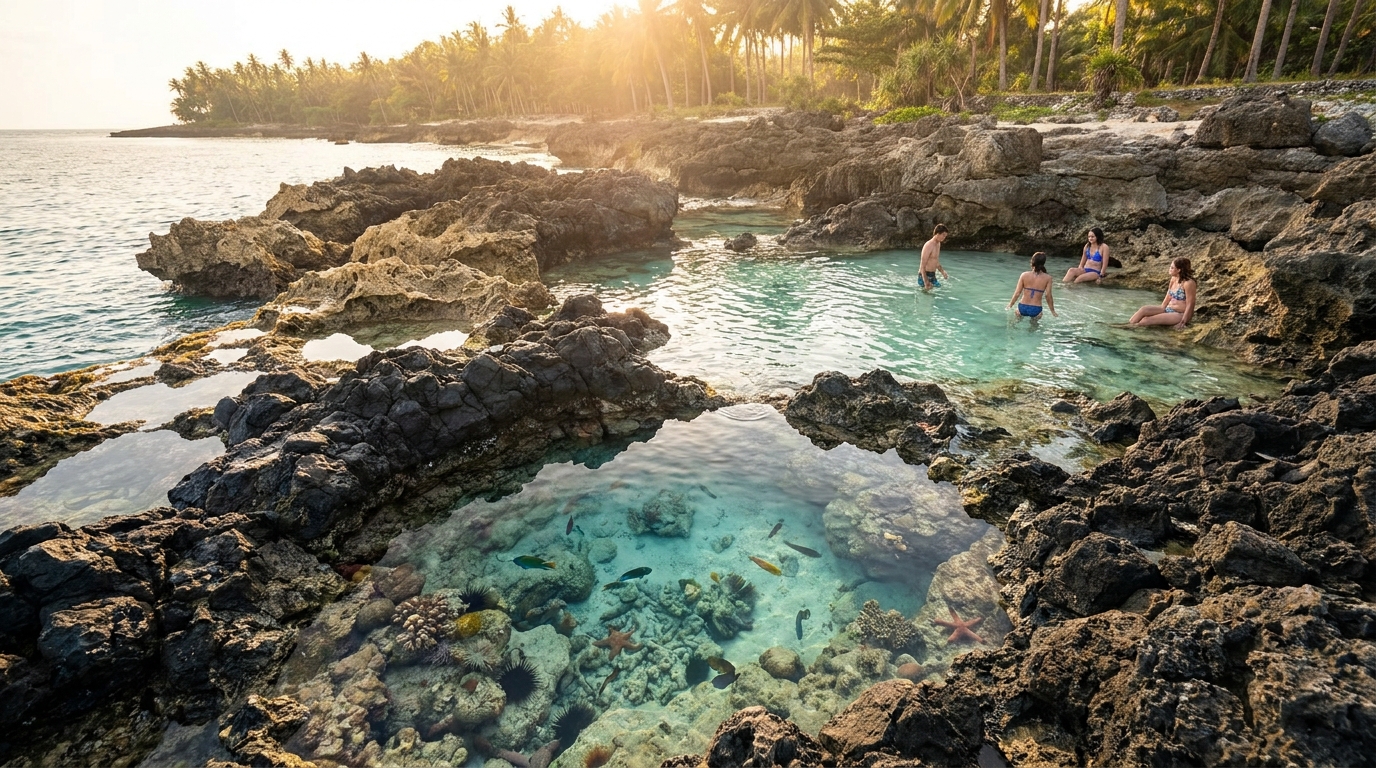
Siquijor Island is renowned for its powdery white beaches and dramatic waterfalls, but the island’s most fascinating ecosystems lie hidden along its rocky shorelines. When the tide drops, intricate worlds emerge in the pools carved into volcanic and limestone formations. These tidal gardens reward the patient explorer with encounters with sea urchins, anemones, hermit crabs, tiny fish, and much more.
This guide covers everything you need to know about exploring Siquijor’s tide pools responsibly and safely.
Why Tide Pool Exploration Matters
Tide pools are micro-ecosystems where marine life becomes trapped as the ocean recedes. They serve as nursery grounds for many species and provide观测 opportunities for visitors. In Siquijor, these formations are particularly diverse due to the island’s volcanic origins and coral-rich waters.
Unlike busy beaches, rocky shores and tide pools offer moments of solitude and discovery. You might be the only person exploring a particular cove during low tide.
Best Time for Tide Pool Exploration
Timing is everything when it comes to tide pool visits:
- Check tide charts before planning your trip. Look for days with unusually low tides, typically during new and full moons.
- Early morning offers the best light for photography and cooler conditions.
- Avoid the peak sun hours between 11am and 2pm if visiting exposed rock formations.
Local fishing communities often know the rhythms of the tides better than any app. Ask at your accommodation for timing advice specific to the area you plan to visit.
Where to Find Siquijor’s Best Tide Pools
Salagdoong Beach Area
The area below Salagdoong’s famous cliff jumping spot contains extensive tidal formations. During low tide, shallow pools reveal themselves among the jagged rocks. Look carefully and you will spot small fish, crabs, and occasionally an octopus hiding in the crevices.
Paliton Beach
While known for its sunset views, Paliton’s rocky northern end reveals interesting tidal formations when the water recedes. The transition from white sand to rock creates ideal conditions for pooling.
Lazi to San Juan Coastline
The western coastline between Lazi and San Juan municipalities contains stretches of volcanic rock that form natural tidal pools. These are less visited than the main tourist spots, offering a quieter exploration experience.
Near Tubod Marine Sanctuary
The northern coastline near the Tubod area offers some accessible rocky sections. Combine a visit to the sanctuary’s snorkeling with nearby rock pool exploration.
Marine Life You Might Encounter
The species you find depends on the pool’s depth and location. Common inhabitants include:
- Sea urchins in deep purple and black, often wedged into crevices
- Hermit crabs of various sizes, constantly switching shells
- Anemones in greens and purples, their tentacles swaying gently
- Small tropical fish seeking refuge in deeper pools
- Starfish in orange, purple, and red varieties
- Octopus in deeper, darker pools, though they are masters of camouflage
- Sea cucumbers along pool floors
- Nudibranchs for those with a keen eye, in extraordinary colors and patterns
Essential Gear
Before heading out:
- Water shoes or reef shoes to protect your feet from sharp rocks and sea urchins
- Gloves to protect hands while navigating rocky surfaces
- Small container or bag to carry any trash you find
- Camera with macro capability or a waterproof phone case
- Tide chart app on your phone
- Sunscreen applied before you leave, not after
- Water bottle to stay hydrated
Responsible Exploration Guidelines
Tide pool ecosystems are fragile. Follow these principles:
Look but do not touch. Marine creatures have protective coatings that oils from your skin can damage. Admire them visually instead.
Do not remove anything. Shells, sea creatures, and even interesting-looking rocks belong in their natural habitat. Removing items disrupts the ecosystem.
Watch your step. Avoid crushing creatures living in shallow pools. Place feet carefully on rocks rather than directly into pools when possible.
Pack out what you pack in. If you bring snacks or water, ensure you leave with all packaging. Plastic pollution devastates tide pool ecosystems.
Stay in your lane. Stick to established paths where possible to minimize trampling of sensitive areas.
Photography Tips
Low tide photography in tide pools presents unique challenges and rewards:
- Use a polarizing filter to reduce glare on water surfaces
- Shoot from above for a God-ray effect showing light穿透water
- Get low and close for intimate shots of creatures
- Shoot during golden hour for warm, diffused light
- Bracket exposures for HDR processing to handle bright sky and darker water in the same frame
Combining Tide Pools with Other Activities
The best itineraries combine tide pool exploration with other experiences:
Morning tide pools + afternoon waterfall. Start early at a rocky shore, then cool off at Cambugahay Falls or Lagaan Falls in the afternoon.
Low tide snorkeling. Time your Tubod Marine Sanctuary visit around high tide, and explore tide pools during the low.
Rocky shore + beach sunset. Explore pools in late afternoon, then head to a nearby beach for sunset views.
Safety Considerations
- Always tell someone your plans if exploring remote areas alone
- Check weather conditions before heading out; sudden rain can cause flash flooding in coastal areas
- Be aware of sea conditions even during low tide; sneaker waves can appear unexpectedly
- Watch for broken glass or trash in pools; wear gloves when exploring
- Avoid touching triggering marine creatures like lionfish or stonefish
Seasonal Variations
The optimal time for tide pool exploration depends on what you want to see:
- April through June offers the clearest water and lowest rainfall
- July through October may have more algae but also more marine life activity
- November through March sees rougher seas, but some pools remain accessible
Monsoonal rain can wash debris into coastal areas and affect water clarity, so consider this when planning your exploration.
Final Thoughts
Siquijor’s tide pools offer a window into an overlooked dimension of the island’s natural wealth. While the beaches and waterfalls draw the crowds, those who venture to the rocky shorelines during low tide discover a quieter, more intimate side of Siquijor.
The key is patience and respect. Move slowly, observe carefully, and leave no trace. In doing so, you contribute to the preservation of these delicate ecosystems for future visitors and the countless creatures that call them home.
Start with one accessible location, spend time really looking, and you may find yourself hooked on the quiet magic of tide pool exploration in the Philippines’ mystic island.
Siquijor.xyz Editorial Team
Related Experiences
Apo Island Day Trip: Swimming with Sea Turtles
Complete guide to visiting Apo Island from Siquijor - swim with sea turtles, explore vibrant coral reefs, and experience one of the Philippines' best marine sanctuaries.

Cantabon Cave Spelunking: An Underground Adventure in Siquijor
Navigate underground rivers, squeeze through tight passages, and discover stunning rock formations in Siquijor's most thrilling cave system. Complete spelunking guide included.

Cliff Jumping at Salagdoong Beach
Your complete guide to cliff jumping at Salagdoong Beach - Siquijor's most thrilling adventure with platforms at 5m, 8m, and 10m heights.