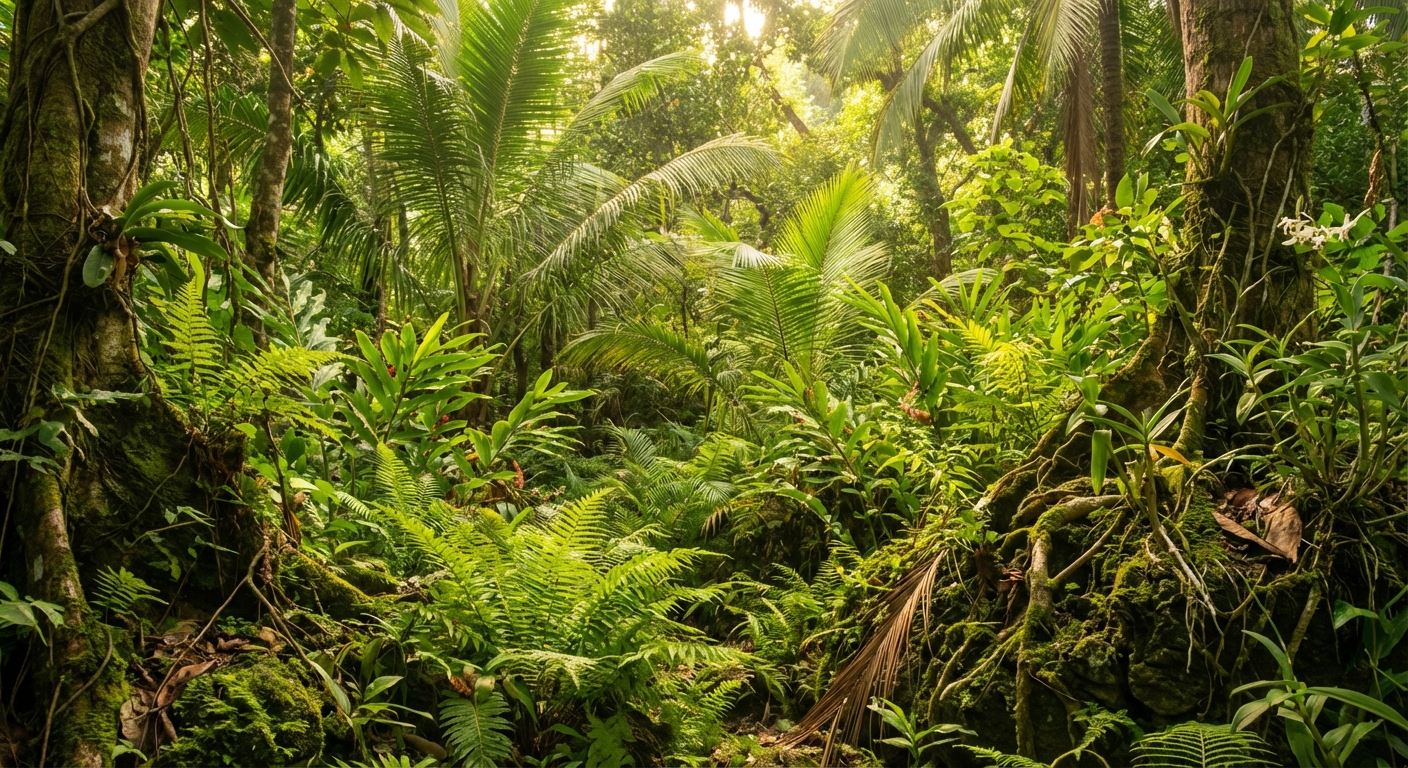
Siquijor Medicinal Plants: A Guide to the Island's Herbal Healing Traditions
Explore Siquijor's rich medicinal plant heritage, from traditional bolo-bolo remedies to everyday herbal cures. Learn about the island's most important healing plants and where to find them.
Siquijor has long been called the “Island of Healers,” a reputation that stretches back centuries before Spanish colonization. While most visitors associate the island with its mystical folklore and bolo-bolo rituals, fewer realize that the true foundation of Siquijor’s healing culture lies in its extraordinary botanical diversity. The island’s lush interior, fed by volcanic soil and tropical rains, supports hundreds of plant species that local healers have used for generations to treat everything from common fevers to chronic pain.
This guide explores the most significant medicinal plants found on Siquijor, the traditions that surround their use, and how visitors can respectfully learn about this living heritage.
The Roots of Herbal Healing in Siquijor
Long before modern pharmacies arrived in the Visayas, Siquijor’s communities depended entirely on plant-based medicine. The island’s relative isolation — separated from neighboring Negros and Bohol by deep channels — meant that local healers, known as mananambal, developed their own sophisticated understanding of the plants growing around them.
This knowledge was passed down orally through family lines. A healer’s apprenticeship typically began in childhood, with young students learning to identify plants by sight, smell, and taste. They memorized which leaves to pick during certain moon phases, which bark to harvest in dry season versus rainy season, and how to combine ingredients for specific ailments.
The arrival of Christianity in the 16th century did not eliminate these practices. Instead, Siquijor’s herbal traditions blended with Catholic ritual, creating the syncretic healing culture that persists today. Prayers accompany the preparation of remedies. Saints are invoked alongside ancestral spirits. The result is a medical tradition that is uniquely Filipino and uniquely Siquijodnon.
Key Medicinal Plants of Siquijor
Sambong (Blumea balsamifera)
Sambong is perhaps the most widely used medicinal plant in the Philippines, and Siquijor is no exception. This aromatic shrub grows abundantly along roadsides and forest edges throughout the island. Local healers use sambong leaves to prepare teas for treating kidney stones, urinary tract infections, and high blood pressure.
The Philippine Department of Health officially recognizes sambong as one of ten approved herbal medicines, lending scientific credibility to what Siquijor’s healers have practiced for centuries. On the island, you will find sambong growing wild near Bandilaan National Park and along the mountain trails above Lazi.
Lagundi (Vitex negundo)
Another DOH-approved herbal medicine, lagundi is a common sight in Siquijor’s lowland areas and village gardens. The five-pointed leaves have a distinctive aromatic smell that is immediately recognizable once you learn it. Healers prepare lagundi as a decoction for coughs, asthma, and respiratory ailments.
During the rainy season, when colds and flu circulate through the island’s communities, lagundi tea becomes a household staple. Many Siquijodnon families maintain a lagundi shrub in their yard specifically for this purpose, treating it as a living medicine cabinet.
Niyog-niyogan (Quisqualis indica)
This climbing vine produces beautiful flowers that change color as they mature, shifting from white to pink to deep red. Beyond its ornamental appeal, niyog-niyogan serves an important medicinal role in Siquijor. The seeds are traditionally used as a deworming treatment, particularly for children.
You can spot niyog-niyogan growing on fences and trellises throughout the island’s residential areas, especially in the municipalities of Siquijor town and Maria. The plant is also recognized by the DOH as an effective antiparasitic.
Tuba-tuba (Jatropha curcas)
Tuba-tuba holds a complex place in Siquijor’s herbal tradition. The plant’s leaves and bark are used externally to treat wounds, skin infections, and inflammation. However, the seeds are toxic and must be handled with expert knowledge. This duality makes tuba-tuba a plant that exemplifies why Siquijor’s healers undergo years of training before practicing independently.
In some healing rituals, tuba-tuba leaves are rubbed on the skin as part of a diagnostic process, with the healer interpreting the plant’s interaction with the patient’s body to determine the nature of an illness.
Makabuhay (Tinospora rumphii)
The name makabuhay translates to “can give life,” reflecting the high regard in which this vine is held throughout the Philippine islands. On Siquijor, makabuhay grows in the forested interior, wrapping itself around trees in the mountain barangays.
Traditional uses include treatments for fever, diabetes, and digestive problems. The stem is typically sliced and soaked in water to create a bitter decoction. While the taste is challenging, local healers consider it one of the most versatile remedies in their pharmacopoeia.
Yerba Buena (Clinopodium douglasii)
Filipino yerba buena is a fragrant mint-like herb that grows in shaded, moist areas across Siquijor. It is one of the most accessible medicinal plants on the island, found in home gardens, along stream banks, and in the understory of coconut groves.
Healers use yerba buena primarily as a pain reliever, preparing it as a tea for headaches, toothaches, and body pain. It is also applied topically as a poultice for insect bites and minor wounds. The DOH includes yerba buena on its approved herbal medicine list, confirming its analgesic properties.
Banaba (Lagerstroemia speciosa)
Banaba trees are scattered throughout Siquijor’s landscape, recognizable by their large, leathery leaves and spectacular clusters of purple flowers. The leaves contain corosolic acid, which has been studied for its potential to lower blood sugar levels.
On Siquijor, banaba leaf tea is a traditional remedy for diabetes and urinary problems. The tree also has cultural significance — its wood is valued for construction, and its flowers are considered a sign of good health when they bloom abundantly in a particular year.
Alagaw (Premna odorata)
Alagaw is less well-known outside of the Visayas but plays a significant role in Siquijor’s healing culture. This small tree produces aromatic leaves that are used in both cooking and medicine. Healers prescribe alagaw leaf preparations for respiratory conditions, fever, and digestive complaints.
The plant is also integral to certain healing rituals on the island. During the annual gathering of healers on Mount Bandilaan, alagaw branches are among the botanical materials collected for ceremonial use.
Where to Learn About Siquijor’s Medicinal Plants
Mount Bandilaan National Park
The forests of Mount Bandilaan represent the densest concentration of medicinal plants on the island. The park’s trails pass through primary and secondary forest where dozens of species used in traditional medicine grow naturally. Local guides with botanical knowledge can be arranged through the municipal tourism offices in Maria or San Juan.
The annual healing festival held on Bandilaan during Holy Week is the most public expression of the island’s herbal traditions. Healers from across Siquijor gather to share knowledge, prepare remedies, and perform rituals that have been documented since the Spanish colonial period.
Village Herb Gardens
Several barangays on Siquijor maintain community herb gardens, often organized with support from the provincial health office. These gardens serve both practical and educational purposes, ensuring that common medicinal plants remain accessible to residents and that traditional knowledge is transmitted to younger generations.
The barangay of Caipilan in Lazi is particularly known for its herb garden, where visitors can observe labeled specimens of the most commonly used plants. Ask at the barangay hall for someone who can walk you through the collection.
Traditional Healer Consultations
Some of Siquijor’s mananambal welcome respectful visitors who wish to learn about their practice. These encounters should always be arranged through local intermediaries, never by approaching a healer unannounced. The tourism offices in Siquijor town and San Juan can help connect interested visitors with healers who are comfortable sharing aspects of their work.
During a consultation, you may observe the healer’s garden, learn about the plants they cultivate, and hear explanations of how specific remedies are prepared. Some healers will prepare a minor remedy for common complaints like headaches or travel fatigue, using plants gathered from their own property.
The Science Behind the Tradition
Modern pharmaceutical research has increasingly validated what Siquijor’s healers have long known. Studies published in journals of ethnopharmacology have confirmed antimicrobial, anti-inflammatory, and analgesic properties in many of the plants traditionally used on the island.
The University of the Philippines and several international research institutions have conducted field studies in Siquijor, documenting the island’s ethnobotanical knowledge. These studies serve a dual purpose: they provide scientific evidence for traditional remedies while also creating a written record of knowledge that has historically been transmitted only orally.
The Philippine Institute of Traditional and Alternative Health Care (PITAHC) continues to promote research into traditional plant-based medicine, and Siquijor’s healers have contributed to national databases of ethnobotanical knowledge.
Conservation Challenges
As tourism grows and development spreads across Siquijor, some medicinal plant habitats face pressure. Forest clearing for agriculture and construction reduces the wild populations of species that healers have traditionally gathered from the landscape.
Several local initiatives address this challenge. Community-based reforestation projects on Mount Bandilaan include medicinal species in their planting programs. The provincial government has designated certain forest areas as protected zones, partly to preserve the botanical resources that support traditional healing.
Visitors can support these efforts by respecting protected areas, not collecting plants without permission, and supporting community organizations involved in conservation work.
Practical Tips for Visitors
Before seeking out traditional herbal medicine on Siquijor, keep these guidelines in mind:
Respect the tradition. Siquijor’s herbal healing is not a tourist spectacle. It is a living medical tradition that serves the island’s communities. Approach with genuine curiosity and respect for the practitioners.
Do not self-medicate. Many medicinal plants have specific preparation requirements and dosage considerations. Some plants that are beneficial in proper doses can be harmful if misused. Always defer to the knowledge of trained healers.
Bring a local guide. The island’s botanical diversity can be overwhelming, and many plants look similar to untrained eyes. A knowledgeable guide can help you identify species safely and provide cultural context that enriches the experience.
Support local. If a healer shares their knowledge with you, offering a reasonable donation is appropriate and appreciated. Buying locally made herbal products supports the continuation of these traditions.
Avoid the rainy season interior. Mountain trails where many medicinal plants grow can become slippery and difficult during heavy rains, typically from June through October. Plan botanical excursions during the dry months of February through May for the best experience.
A Living Tradition
What makes Siquijor’s medicinal plant heritage remarkable is not just the breadth of botanical knowledge but the fact that it remains a functioning medical system. In a world where traditional medicine is often relegated to museums and academic papers, Siquijor’s healers continue to practice, teach, and adapt their craft.
The island’s herbal traditions are not frozen in the past. Younger healers incorporate new research findings. Community health programs work alongside traditional practitioners. The result is a medical culture that honors its roots while evolving to meet contemporary needs.
For visitors willing to look beyond the beaches and waterfalls, Siquijor’s medicinal plants offer a profound window into the relationship between people, place, and the natural world. It is one of the island’s most meaningful — and most overlooked — treasures.
Siquijor.xyz Editorial Team
Local experts sharing authentic Siquijor experiences
Related Experiences

Siquijor Artisan Workshops: Weaving, Woodcarving & Local Crafts
Discover Siquijor's traditional crafts through hands-on workshops. Learn from local artisans who preserve ancestral techniques in weaving, carving, and more.
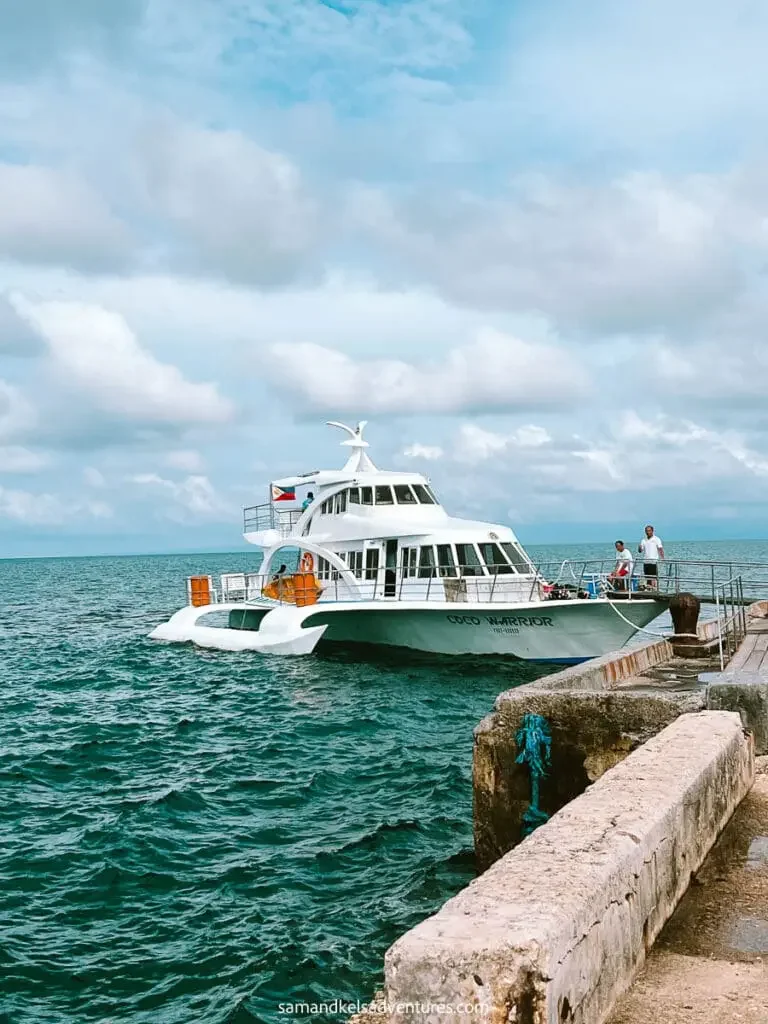
Fishing with Siquijor's Fishermen: A Pre-Dawn Ocean Adventure
Join local fishermen for an authentic pre-dawn fishing experience. Learn traditional techniques, witness sunrise at sea, and connect with Siquijor's maritime culture.
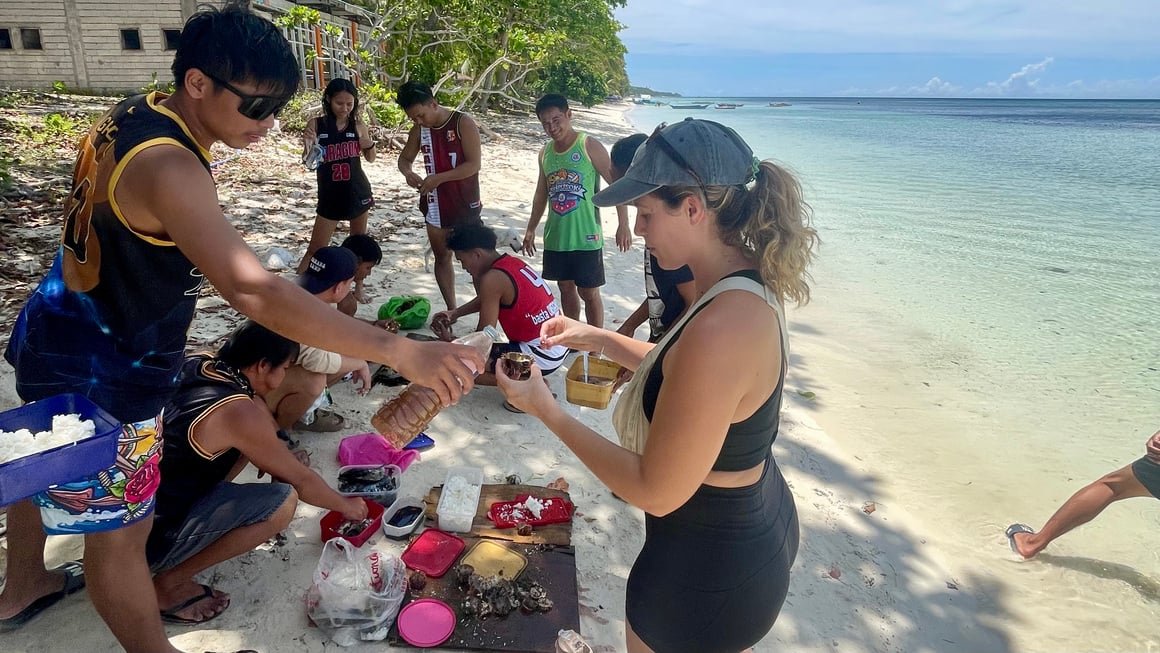
Siquijor Food Guide: Local Dishes & Where to Eat
Discover Siquijor's authentic cuisine from street food to seafood feasts. Local restaurants, traditional dishes, and the flavors that define the island.