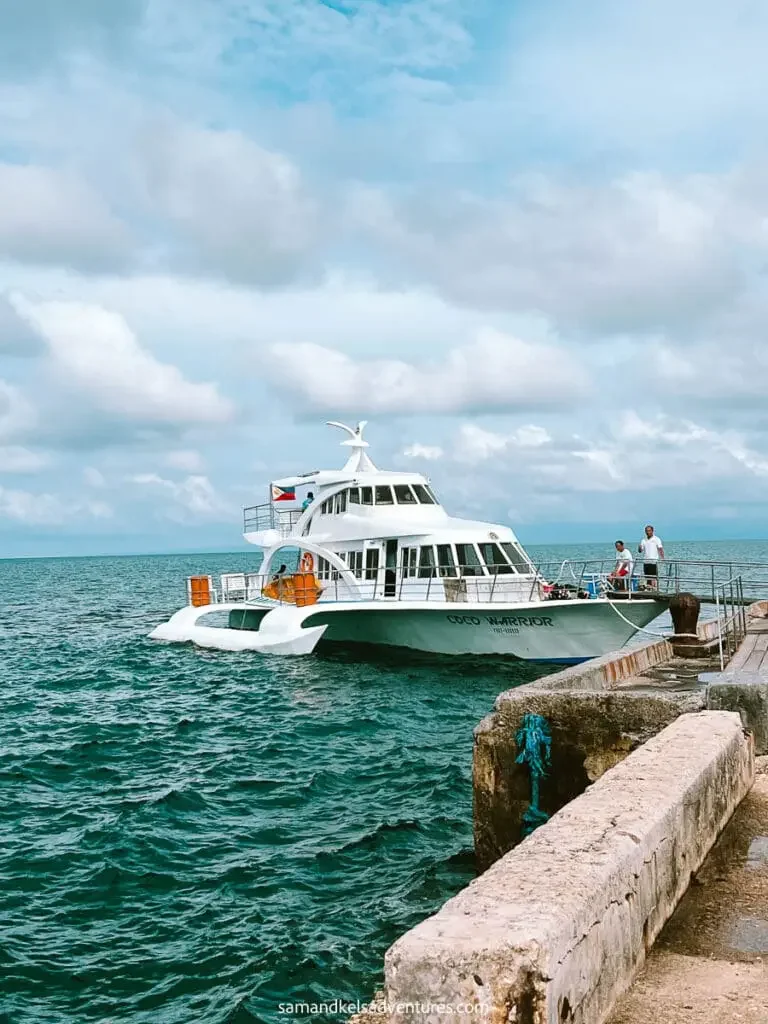
Fishing with Siquijor's Fishermen: A Pre-Dawn Ocean Adventure
Join local fishermen for an authentic pre-dawn fishing experience. Learn traditional techniques, witness sunrise at sea, and connect with Siquijor's maritime culture.
 Island Adventures Team
 Fishing with Siquijor’s Fishermen: Ocean Life Before Dawn
The alarm sounds at 3:30 AM. Outside is black—not the dimness of early morning, but the deep night of pre-dawn tropics. You stumble to the beach where a figure waits by a wooden banca, its outriggers silhouetted against starlight reflected on water.
This is how the day begins for Siquijor’s fishermen. And for visitors willing to trade comfort for authenticity, it’s how an unforgettable island experience begins too.
Why This Experience Matters
Beyond Tourism
Siquijor’s fishermen aren’t tour guides. They’re working people whose families depend on each morning’s catch. Joining them isn’t an activity designed for visitors—it’s an invitation into real life.
This distinction matters:
- You’re a guest, not a customer
- The work is real, not performed
- The ocean doesn’t care about your comfort
- The experience reveals rather than entertains
Understanding the Community
Fishing has sustained Siquijor for centuries. Despite tourism growth, many families still rely primarily on the sea. By spending a morning with fishermen, you learn:
- The rhythms of island life
- The knowledge required to fish sustainably
- The challenges facing traditional livelihoods
- The generosity of people who have little
The Quiet Hours
Pre-dawn Siquijor is another world. The tourist infrastructure sleeps. The roads are empty. The ocean belongs to those who work it. Experiencing this time window reveals an island that daytime visitors never see.
Arranging Your Experience
Finding Fishermen
There’s no booking office. Finding a fisherman to host you requires:
Beach Conversations: Visit fishing beaches in late afternoon (3-5 PM) when fishermen prepare for the next morning. Introduce yourself. Ask if you could join sometime.
Accommodation Help: Your hotel or guesthouse owner knows local fishermen. Ask if they can make an introduction.
Sari-Sari Stores: The small neighborhood shops know everyone. Ask who fishes and who might welcome company.
Patience: This may take a day or two to arrange. Rushing defeats the purpose.
Where to Look
Solangon Beach Fishing Area
Several families fish from this stretch. Late afternoon preparation offers meeting opportunities.
Larena Harbor
The ferry port area has a fishing community. More commercial but experienced fishermen.
Maria Coastal Villages
Less touristy areas where fishing remains purely traditional. Harder to arrange but more authentic.
The Conversation
When approaching a fisherman:
Be humble: You’re asking a favor, not booking a service. Be flexible: Accept their schedule, not yours. Be clear: Explain you want to learn and observe, not just ride along. Discuss compensation: Ask what’s fair; they may be modest, so offer generously.
Compensation Guidelines
Fishermen may be hesitant to name a price. Fair guidelines:
- Joining for observation: ₱500-1,000
- Active participation in their work: ₱1,000-1,500
- Dedicated trip with teaching focus: ₱1,500-2,000
You’re not paying for a tour—you’re compensating someone for their time, fuel, and lost fishing efficiency while hosting you.
Pro Tip
Bring the money in an envelope and present it as a thank-you gift at the end, not as upfront payment. This respects the relationship dynamic.
The Fishing Trip
The Night Before
- Confirm meeting time and place
- Prepare gear the evening before
- Set multiple alarms
- Eat a light dinner, sleep early
Pre-Dawn Departure
Meeting (3:30-4:00 AM): You arrive to darkness and activity. Fishermen check nets, test engines, load supplies. Help if directed. Stay out of the way otherwise.
Launching (4:00-4:30 AM): The banca launches through small surf. You may wade or be helped aboard. The engine coughs to life. You motor into blackness.
On the Water: Stars overhead. The shore lights receding. The ocean enormous and dark. This is when you realize how brave it is to do this every morning.
Fishing Methods
Siquijor fishermen use various techniques:
Handlines: Simple but effective. Line with hooks and weights, dropped to depth, jigged by hand.
Nets: Gill nets set at night, retrieved in morning. You may help haul.
Spearfishing: Some fishermen freedive with spears. Impressive to watch.
Traps: Bamboo traps (bubo) checked during rounds.
Your host will explain their methods. Ask questions—most fishermen enjoy teaching.
Sunrise at Sea
The eastern sky pales. Stars fade. Colors emerge—pink, orange, gold. The sun breaks the horizon.
This sunrise is different from beach sunrises. You’re surrounded by water. The light touches you before touching land. Other boats appear on the horizon.
This moment alone justifies the early alarm.
The Catch
Some mornings bring abundance; others bring little. Either teaches something:
- Good catches show the sea’s generosity
- Poor catches reveal fishing’s uncertainty
- Both demonstrate why respect for the ocean runs deep
You may help sort catch, untangle nets, or simply observe. Follow cues.
Return
By 8-9 AM, the boat returns. You beach the banca together. The fisherman’s spouse may already be waiting to sort and sell.
You’re tired, sun-touched, and carrying an experience no tour can replicate.
What You’ll Learn
Practical Knowledge
- How to read water for fish activity
- Traditional knots and line techniques
- Navigation by stars and landmarks
- Weather and current reading
- Fish species identification
Cultural Insight
- The economics of subsistence fishing
- Gender roles in fishing communities
- How modernization affects tradition
- Environmental concerns fishermen see
- Community structures and support
Personal Growth
- Comfort operating outside normal hours
- Patience when nature doesn’t cooperate
- Gratitude for simple abundance
- Connection with people very different from you
Practical Considerations
What to Bring
Essential:
- Long-sleeved shirt (sun is intense at sea)
- Hat with strap (wind will take loose hats)
- Sunscreen applied before departure
- Water (at least 1 liter)
- Light snack
- Cash in envelope
Recommended:
- Motion sickness medicine (take 30-60 min before)
- Waterproof bag for phone/camera
- Wet wipes
- Light rain jacket (squalls possible)
Leave Behind:
- Fancy electronics
- Excessive expectations
- Impatience
Physical Requirements
The experience requires:
- Waking very early
- Sitting on hard wooden benches for hours
- Dealing with boat motion
- Handling sun exposure
- Occasional physical help with nets/gear
It’s not extreme, but it’s not comfortable either.
Sea Safety
Traditional bancas are stable (the outriggers help) but basic:
- No life jackets typically (ask in advance if concerned)
- Basic navigation equipment
- Good seamanship from experienced fishermen
- Modest engine backup
The bigger danger is sun exposure and dehydration, not capsizing.
Important
If you’re prone to severe seasickness, consider carefully. Traditional bancas rock significantly. There’s no cabin to retreat to, and returning early disrupts the fisherman’s work.
After the Trip
Immediate
- Thank your host genuinely
- Present compensation discretely
- Help beach the boat if appropriate
- Exchange contact info if desired
Food Opportunity
If offered fish, take it graciously. Return to your accommodation and ask if they can cook it for breakfast—fresh fish hours out of the sea is incomparable.
Processing the Experience
You’ve glimpsed a life very different from your own:
- The physical demands of daily labor
- The uncertainty of outcome-dependent work
- The beauty of working with nature
- The community that makes hard life sustainable
Let these realizations settle.
Stories from the Water
The Patience Lesson
A visitor joined a Larena fisherman expecting constant activity. Instead, hours passed with lines in water, no bites. The fisherman seemed unbothered. “The fish come or they don’t,” he said. “We’re here every morning. Some days they come.”
By the time two small fish hit the lines, the visitor understood: this wasn’t about catching, but about being present for what might come.
The Generosity Lesson
A budget traveler offered ₱300 for his trip—all he felt he could spare. The fisherman accepted, fed him breakfast from his wife’s kitchen afterward, and sent him home with fish for dinner.
The traveler realized: generosity isn’t about having much. It’s about sharing what you have.
The Work Lesson
A tourist thought fishing looked easy and peaceful. After five hours in a small boat—hauling nets, sorting fish, fighting sun—she collapsed exhausted at her guesthouse.
“And they do this every morning,” she wrote later. “I have a desk job and complain about being tired.”
Supporting the Community
Fair Compensation
Pay what’s fair, not what you can get away with. These aren’t vendors expecting negotiation—they’re workers sharing their livelihood.
Respectful Presence
- Don’t treat the trip as a photo opportunity alone
- Don’t expect entertainment or performance
- Don’t complain about conditions
- Don’t assume you know better about fishing
Environmental Awareness
Siquijor’s fishermen face declining catches due to:
- Overfishing by commercial vessels
- Climate change affecting fish patterns
- Pollution from tourism development
- Coral reef degradation
If they speak of these concerns, listen. Consider how your own choices—tourist development demand, seafood consumption—connect.
A Morning to Remember
At 3:45 AM, the world is silent except for waves and the soft clatter of nets being arranged. You help push the banca into knee-deep water and scramble aboard as the engine catches.
The shore lights shrink behind you. The stars are impossibly bright. The old fisherman points out constellations you’ve never noticed, navigating as his father taught him.
When the sun rises, you’re five kilometers out, surrounded by sea. The line in your hand goes tight—your first bite. The fisherman grins. For this moment, you’re not tourist and local. You’re two people on the water, hoping for fish.
This is Siquijor beyond the waterfalls and beaches. This is the island as it has always been.
Hungry after your fishing trip? Our local food guide shows you where to eat that fresh catch. For more sunrise experiences, see our sunrise photography spots.
Frequently Asked Questions
How do I arrange a fishing trip with local fishermen?
What time does the fishing trip start?
How much should I pay for a fishing experience?
Do I keep the fish we catch?
What if I get seasick?
Island Adventures Team
Cultural explorers connecting visitors with authentic island life.
Related Experiences
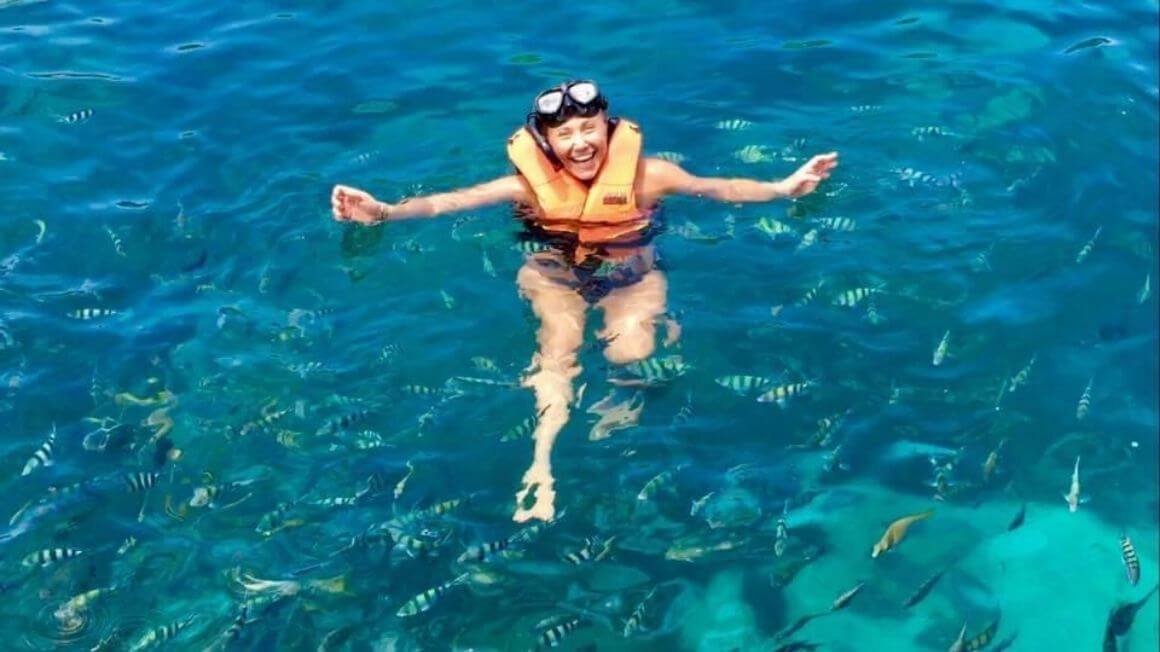
Night Diving in Siquijor: Bioluminescence & Nocturnal Marine Encounters
Experience the magic of Siquijor's underwater world after dark. Discover bioluminescent plankton, hunting octopuses, and sleeping sea turtles on guided night dives.
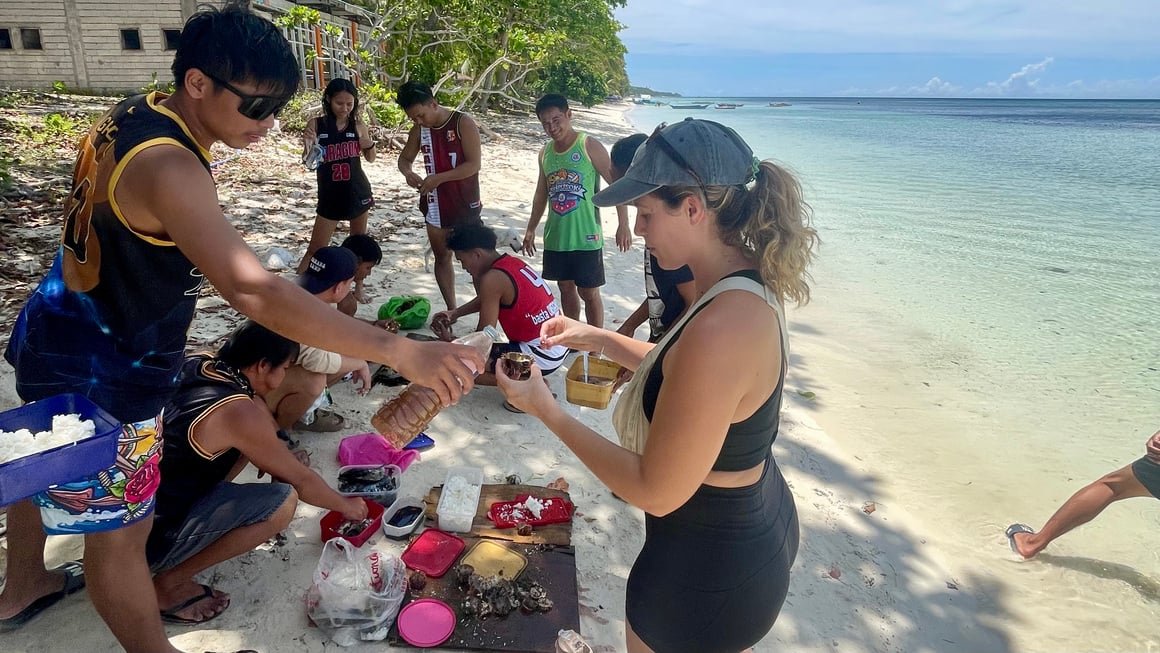
Siquijor Food Guide: Local Dishes & Where to Eat
Discover Siquijor's authentic cuisine from street food to seafood feasts. Local restaurants, traditional dishes, and the flavors that define the island.

10 Stunning Sunrise Photography Spots in Siquijor
Capture magical golden hour moments at these handpicked sunrise locations across Siquijor Island. GPS coordinates, timing tips, and camera settings for each spot.