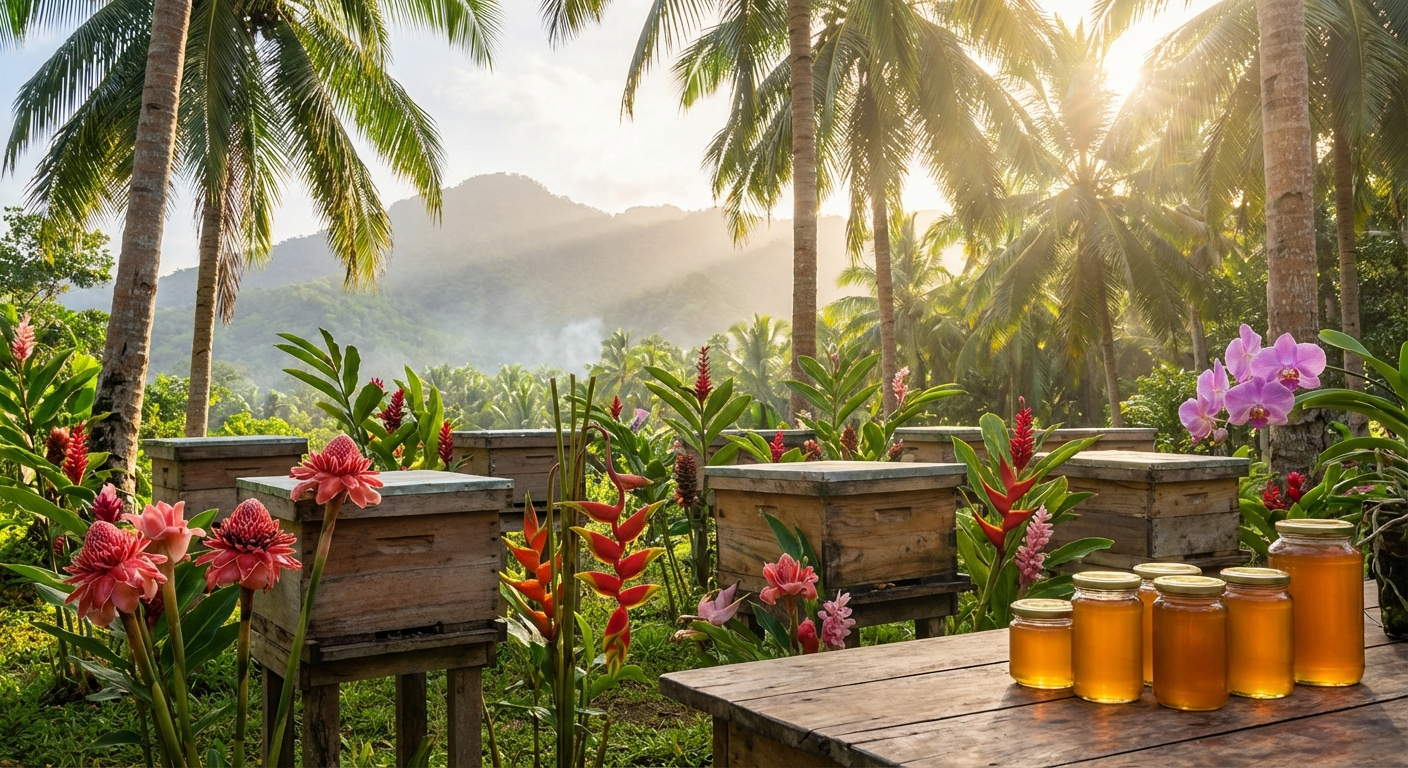
Siquijor Honey Production: The Island's Sweet Artisan Beekeeping Industry
Discover Siquijor's thriving beekeeping tradition, from wild honey harvesting in Mount Bandilaan's forests to modern apiaries producing some of the Visayas' finest artisan honey.
Long before Siquijor earned its reputation as a mystical island of healers and folk traditions, its highland forests were already producing something quietly remarkable. In the dense canopy surrounding Mount Bandilaan and across the lowland orchards that dot the island’s interior, wild bees have been producing honey for centuries. What has changed in recent years is the emergence of a small but passionate community of beekeepers who are transforming wild honey harvesting into a sustainable artisan industry, one that is putting Siquijor on the map for something beyond waterfalls and healing rituals.
A History Rooted in the Forest
Honey harvesting in Siquijor is not new. For generations, farmers and herbalists on the island have known where to find wild bee colonies in the trunks of old-growth trees, particularly in the forests of Bandilaan National Park and the wooded interior of Lazi and Maria. The honey collected from these wild colonies, often Apis dorsata, the giant Asian honeybee, was used not only as a sweetener but as a component in traditional remedies prepared by the island’s mananambal, or folk healers.
The wild honey of Siquijor has always had a distinctive character. Bees foraging in the island’s forests collect nectar from a wide variety of native flowering trees, including narra, molave, and various species of flowering vines that carpet the forest canopy during the dry months from February through May. This multifloral origin gives Siquijor honey a complex flavor profile, darker than the commercially available honeys found in Manila supermarkets, with notes that range from mild caramel to faintly herbal, depending on the season of harvest.
However, traditional wild harvesting was inherently destructive. Collectors would often smoke out or destroy entire colonies to access the honeycomb, and the practice contributed to declining wild bee populations on the island. By the early 2000s, environmental advocates and agricultural extension workers in Siquijor began promoting managed beekeeping as an alternative that could preserve both the honey tradition and the island’s pollinator populations.
The Rise of Managed Apiaries
The shift toward modern beekeeping on Siquijor accelerated around 2010, when the Department of Agriculture’s regional office and several non-governmental organizations began offering training programs for farmers interested in apiculture. The species most commonly used in managed hives on the island is Apis mellifera, the Western honeybee, though some beekeepers also work with Apis cerana, the smaller Asian honeybee that is native to the Philippines.
Today, small apiaries can be found in several municipalities. The highland barangays of San Juan and Maria, where the elevation provides slightly cooler temperatures and an abundance of flowering trees, are particularly well suited for beekeeping. In these areas, beekeepers maintain between ten and fifty hives each, positioned near orchards, coconut groves, and the edges of forested land where floral diversity is highest.
One of the most notable operations is found on the slopes above Lazi, where a family-run apiary has been producing honey since 2012. The operation started with just five hives built from repurposed lumber and has grown into a small enterprise with more than forty colonies. The beekeeper, who learned the craft through a Department of Agriculture training program, now produces enough honey to supply local sari-sari stores, weekend markets, and a growing number of tourists who visit the apiary directly.
“We started because coconut farming alone was not enough,” the beekeeper explains during a typical farm visit. “The bees do not need much land. They just need flowers, and Siquijor has plenty of those.”
What Makes Siquijor Honey Different
The quality of honey produced on Siquijor is a direct reflection of the island’s biodiversity and the absence of large-scale agriculture. Unlike honey produced in areas dominated by monocrop plantations, Siquijor honey is almost exclusively multifloral, meaning the bees visit dozens of different plant species throughout the season. This creates a honey with depth and complexity that single-origin honeys often lack.
The island’s relatively small size, roughly 340 square kilometers, also works in its favor. There are no major industrial operations, no widespread pesticide application on commercial crops, and the water table remains largely uncontaminated. These conditions make Siquijor an unusually clean environment for honey production, and several beekeepers have begun marketing their products as organic or chemical-free, even if formal organic certification remains elusive for small producers in the Philippines.
Seasonal variation plays a significant role in the character of each harvest. Honey collected during the dry season months of March through May, when the forest canopy is in full bloom, tends to be lighter in color and sweeter. The wet season harvest from September through November yields darker honey with more pronounced floral and slightly bitter notes, reflecting the different species that bloom during the rainy months.
Some beekeepers on the island have also begun experimenting with positioning hives near specific flowering trees to create what are sometimes called single-source or limited-origin honeys. A small producer in the highlands of Maria, for example, places hives near stands of calamansi and mango trees during the flowering season, producing a honey with distinctly citrusy undertones that has become popular among visitors to the Saturday market in San Juan.
The Visitor Experience
For travelers interested in agricultural tourism, visiting a Siquijor apiary is an increasingly accessible experience. Several beekeepers on the island welcome visitors for informal farm tours, typically lasting thirty minutes to an hour. These visits usually include an introduction to the hive structure, a demonstration of how frames are inspected, and a tasting session where guests can sample honey directly from the comb.
The experience is particularly educational for families and travelers with an interest in sustainable agriculture. Visitors learn about the role of bees as pollinators, the challenges facing bee populations globally, and how small-scale beekeeping can provide supplemental income for farming families without requiring significant land or capital investment.
Most farm visits are arranged informally, often through guesthouses or motorcycle guides who know the local producers. There is no centralized booking system, and visitors should expect a casual, unhurried experience rather than a polished tourist attraction. Prices for farm tours are typically modest, ranging from one hundred to two hundred pesos per person, with the option to purchase fresh honey at the end of the visit.
The best time to visit an apiary on Siquijor is during the dry season from March through May, when hive activity is at its peak and the honey harvest is underway. Visitors during this period may have the opportunity to observe a live harvest, where frames heavy with capped honeycomb are carefully removed from the hive, uncapped, and spun in a manual extractor to release the honey.
Honey in Siquijor’s Culinary Scene
The growing availability of locally produced honey has begun to influence the island’s food scene. Several restaurants and cafes in the San Juan area now feature Siquijor honey as an ingredient in drinks, desserts, and breakfast dishes. Honey-drizzled banana pancakes, honey-sweetened turmeric lattes, and fresh fruit plates with local honey have become staples at the breakfast tables of boutique resorts and backpacker hostels alike.
Some of the island’s bars have also incorporated local honey into their cocktail menus, using it as a natural sweetener in rum-based drinks and fresh fruit mixes. The pairing of Siquijor honey with locally distilled tuba, the fermented coconut sap that is the island’s traditional alcoholic beverage, has also found a small following among visitors looking for an authentically local drinking experience.
At the island’s weekend markets, which operate on rotating schedules in San Juan and Siquijor town, honey is one of the most reliable products available. Vendors sell it in recycled glass bottles and small plastic containers, typically at prices ranging from one hundred fifty pesos for a small bottle to four hundred pesos for a full liter. The informal nature of these market sales means that supply can vary from week to week, and visitors who want to ensure they can purchase honey are advised to inquire at their accommodation about current availability.
Challenges Facing the Industry
Despite its promise, beekeeping on Siquijor faces several challenges that have kept the industry small. Perhaps the most significant is the vulnerability of bee colonies to environmental disruption. Typhoons, which occasionally affect the island despite its relatively sheltered position in the Visayas, can destroy hives and scatter colonies. The 2021 typhoon season, which brought stronger than usual winds to the central Philippines, resulted in significant losses for several beekeepers on the island.
Varroa mites, the parasitic organisms that have devastated honeybee populations worldwide, have also been detected in hives on Siquijor. Managing varroa infestations requires regular monitoring and treatment, skills that not all beekeepers on the island have fully developed. Training programs continue to address this gap, but the loss of colonies to mites remains a recurring problem for producers.
Market access is another constraint. While local sales are steady, most Siquijor honey never reaches markets beyond the island. The lack of standardized packaging, laboratory testing for quality assurance, and formal distribution channels makes it difficult for producers to sell through retail stores in Dumaguete, Cebu, or Manila. Some beekeepers have begun exploring online sales through Facebook and Instagram, but volumes remain modest.
The Department of Trade and Industry has expressed interest in supporting Siquijor honey as a One Town, One Product candidate, which would provide branding assistance and market development support. However, progress on this front has been slow, and most beekeepers continue to operate independently without formal business structures.
The Pollination Bonus
Beyond the honey itself, the expansion of beekeeping on Siquijor has produced a significant secondary benefit: improved crop pollination. Farmers in areas near apiaries have reported noticeable increases in fruit yields, particularly for mango, calamansi, and coconut. This pollination service, which economists estimate can be worth several times the value of the honey produced, provides an additional economic argument for supporting beekeeping on the island.
The ecological benefit extends further. Bees maintained in managed hives contribute to the pollination of wild flowering plants in the surrounding forest, supporting the broader ecosystem that makes Siquijor’s interior such a rich habitat for birds, butterflies, and other wildlife. In this sense, beekeeping on the island is not just an agricultural enterprise but a form of environmental stewardship.
Visiting Beekeeping Operations in Siquijor
Travelers who want to include a beekeeping visit in their Siquijor itinerary have several options. In the upland areas of Maria and San Juan, ask local guides or guesthouse owners about nearby apiaries that accept visitors. The Saturday market in San Juan is also a good place to meet local honey producers and arrange a farm visit.
For a less structured experience, the forested trails around Mount Bandilaan sometimes pass near wild bee colonies, particularly during the flowering season. Hikers should keep a respectful distance from wild nests and avoid disturbing them, but the presence of bees in the forest is itself a sign of the healthy ecosystem that makes the island such a rewarding place to explore.
When purchasing honey, look for locally bottled products from named producers rather than generic bottles with no provenance information. The best Siquijor honey will have a dark amber color, a thick consistency, and a complex flavor that distinguishes it from the mass-produced honeys commonly available in Philippine grocery stores.
Looking Ahead
The future of beekeeping on Siquijor depends on several factors: continued training for new and existing beekeepers, investment in packaging and quality assurance, and the development of market channels that can connect island producers with consumers in larger cities. The growing tourism industry offers perhaps the most immediate opportunity, as visitors increasingly seek out authentic, locally produced food experiences as part of their travels.
There is also potential for Siquijor honey to become part of the island’s broader identity as a destination for wellness and natural healing. Honey has been used in traditional medicine across cultures for millennia, and its integration with Siquijor’s existing reputation as a place of folk healing could create a compelling narrative for both tourism and product marketing.
For now, the beekeepers of Siquijor continue their work quietly, tending their hives among the flowering trees of the island’s interior, producing a product that is as much a reflection of the island’s character as its waterfalls, its churches, or its legendary healers. For visitors willing to venture beyond the coast and into the highland communities where the bees do their work, a jar of fresh Siquijor honey may be the most authentic souvenir the island has to offer.
Siquijor.xyz Editorial Team
Related Experiences

Siquijor Artisan Workshops: Weaving, Woodcarving & Local Crafts
Discover Siquijor's traditional crafts through hands-on workshops. Learn from local artisans who preserve ancestral techniques in weaving, carving, and more.

Fishing with Siquijor's Fishermen: A Pre-Dawn Ocean Adventure
Join local fishermen for an authentic pre-dawn fishing experience. Learn traditional techniques, witness sunrise at sea, and connect with Siquijor's maritime culture.
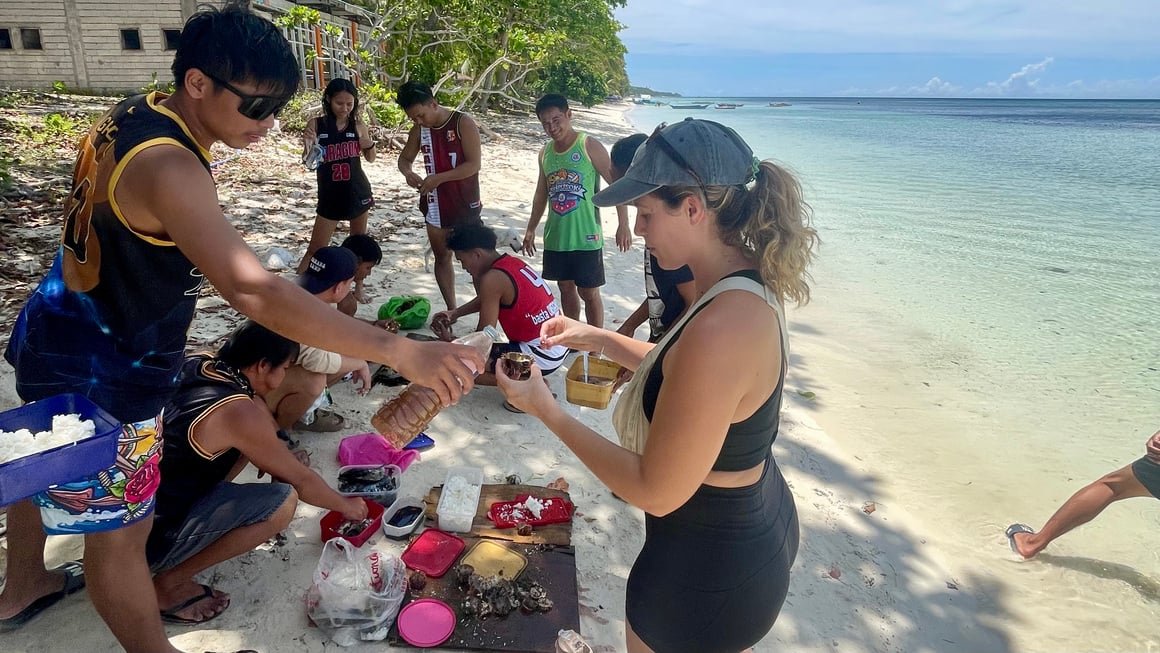
Siquijor Food Guide: Local Dishes & Where to Eat
Discover Siquijor's authentic cuisine from street food to seafood feasts. Local restaurants, traditional dishes, and the flavors that define the island.