Siquijor Farm Stays & Agritourism: A Guide to the Island's Rural Side
Discover Siquijor's farm stays and agritourism experiences. Sleep among coconut groves, harvest tropical produce, and connect with the island's agricultural heritage.
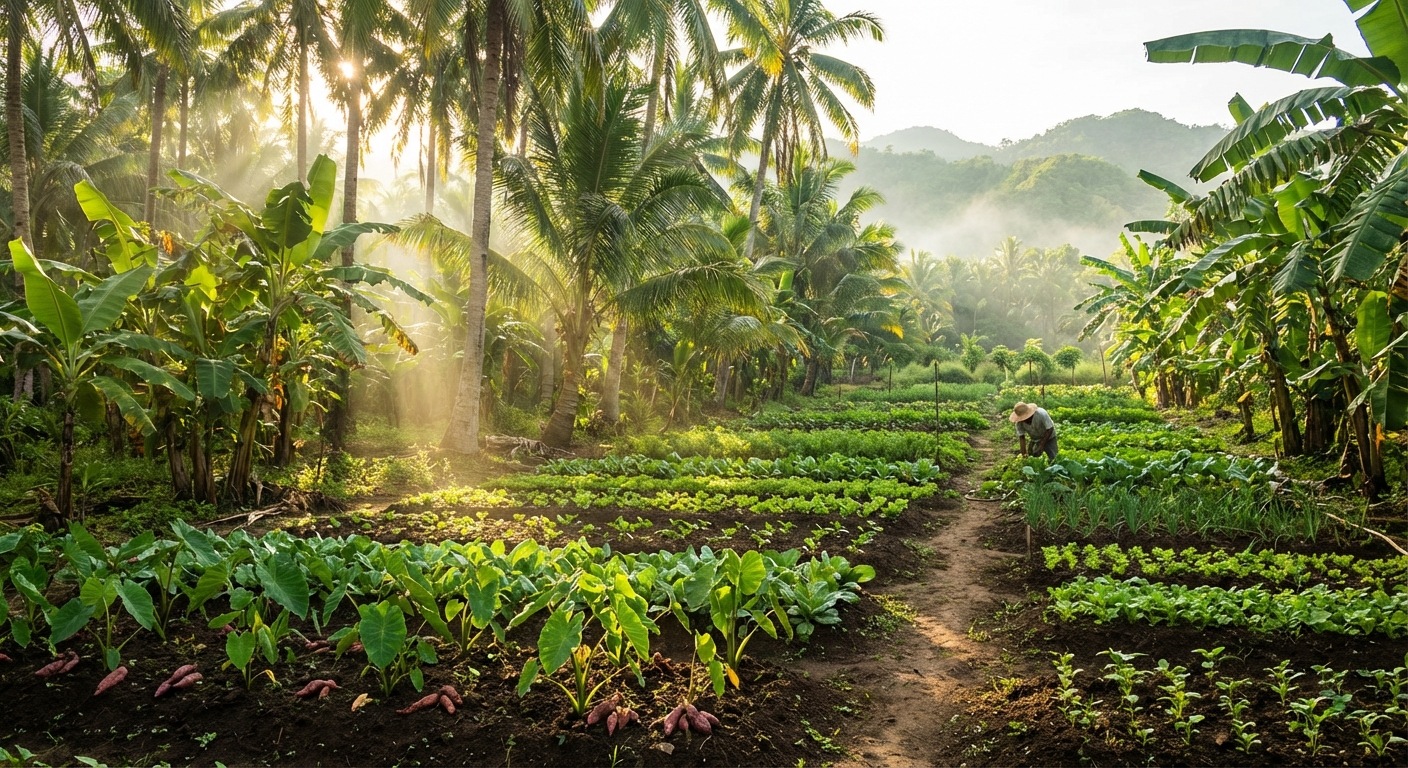
Most visitors come to Siquijor for its turquoise waters and mystical reputation. They circle the 72-kilometer coastal road, tick off waterfalls and beaches, and leave within a few days. But venture just a few hundred meters inland, past the last souvenir shop and up the gentle slopes that climb toward Mount Bandilaan, and you will find a different island entirely. This is agricultural Siquijor — a landscape of coconut groves, cassava patches, small-scale vegetable farms, and families who have worked the same plots for generations.
Agritourism is quietly growing across the Philippines, and Siquijor is one of the most compelling places to experience it. The island’s compact size, fertile volcanic soil, and tight-knit farming communities make it uniquely suited to the kind of immersive, low-impact travel that more visitors are seeking in 2026. Whether you want to sleep in a bamboo farmhouse surrounded by banana trees, harvest your own breakfast, or simply spend a morning learning how copra is made, Siquijor’s rural interior offers something that no beach resort can replicate.
Why Agritourism in Siquijor
Siquijor has always been an agricultural island. Before tourism arrived in earnest, the local economy ran on coconut, corn, cassava, and fishing. Even today, agriculture employs a significant portion of the population, particularly in the upland barangays of Lazi, Maria, and Enrique Villanueva. The island’s interior is dotted with smallholdings where families grow a mix of crops — root vegetables, leafy greens, tropical fruit, herbs, and the ever-present coconut palm.
What makes Siquijor different from larger agritourism destinations like Bukidnon or Benguet is its accessibility. The island is only 340 square kilometers. You can ride from any beach to the farming interior in fifteen to twenty minutes. There is no long journey to “get away from it all” — the rural heartland is right there, just uphill from the coast.
The Department of Tourism’s push toward community-based tourism has also helped. Several barangays now welcome visitors for farm tours, cooking demonstrations, and overnight stays. These are not polished resort experiences. They are genuine, sometimes rough-around-the-edges encounters with daily agricultural life. That authenticity is exactly the point.
Where to Find Farm Stays
Farm stay accommodations in Siquijor range from basic homestays with shared facilities to more comfortable guesthouses set on working agricultural land. Here are the key areas to look.
Maria and the Upland Interior
The municipality of Maria, on the island’s southwestern flank, is the agricultural heartland of Siquijor. The terrain here rises sharply from the coast, creating a cooler microclimate that supports a wider range of crops than the lowlands. Several families in the barangays around Maria offer homestay-style accommodations on their farms. Expect simple rooms, home-cooked meals featuring produce from the property, and the kind of quiet that city visitors have forgotten exists.
The area around Capilay Spring Park is a good starting point. The natural spring that feeds the park also irrigates surrounding farmland, creating a green corridor of taro, kangkong, and fruit trees. Some properties here offer guided walks through their land, explaining crop cycles, traditional planting methods, and the medicinal uses of various plants — a practice deeply rooted in Siquijor’s healing traditions.
Lazi and the Southern Slopes
Lazi, home to the island’s most impressive Spanish-era church and convent, also has productive agricultural land in its upper barangays. The southern slopes of Mount Bandilaan receive reliable rainfall, making them suitable for cacao, coffee, and a variety of tropical fruit. A handful of small farms in this area have begun accepting visitors, often through informal arrangements rather than booking platforms.
If you are interested in coffee or cacao production, Lazi is the place to be. Several growers here process their own beans and are happy to walk visitors through the entire chain, from cherry picking to roasting. The experience is hands-on — you may find yourself turning cacao beans on a drying rack or operating a hand-cranked coffee grinder.
Enrique Villanueva and the Eastern Coast
The municipality of Enrique Villanueva, less visited than San Juan or Siquijor town, has a quiet agricultural character. The rolling terrain behind the coast supports coconut plantations, corn, and vegetable gardens. Farm stays here tend to be the most basic — this is not a tourist area, and accommodations reflect local standards. But for travelers who want a genuine immersion in island farm life, the lack of tourist infrastructure is a feature, not a bug.
What to Expect on a Farm Stay
Set your expectations correctly and you will have a remarkable time. Set them wrong and you will be uncomfortable.
Accommodation
Most farm stays offer simple rooms in or adjacent to the family home. Walls may be concrete, bamboo, or a combination. Beds are typically firm. Mosquito nets are common. Bathrooms are often shared and may feature a bucket-and-dipper setup rather than a shower. Air conditioning is rare inland; you will rely on natural ventilation and electric fans. At higher elevations around Maria and Bandilaan, the evening air is noticeably cooler than on the coast.
Meals
This is where farm stays genuinely shine. Meals are prepared by the host family using ingredients from the property and the surrounding area. Expect fresh vegetables, locally raised chicken, eggs, rice, and whatever fruit is in season. March and April typically bring mangoes, jackfruit, papaya, and several varieties of banana. Meals are served family-style, and you will often eat with your hosts.
If you have dietary restrictions, communicate them in advance. Most families can accommodate vegetarian preferences easily, given the abundance of plant-based ingredients. Strict vegan or allergen-free diets may require more planning.
Activities
A farm stay is not a passive experience. The best part is participating in daily agricultural work alongside your hosts. Common activities include:
Coconut processing. Siquijor’s coconut industry is the backbone of its agricultural economy. Farms that produce copra (dried coconut meat) will often invite guests to observe or participate in the process — from harvesting and husking to splitting, drying, and packaging. It is physically demanding work that gives you a visceral appreciation for what goes into a single jar of coconut oil.
Vegetable gardening. Many smallholdings maintain kitchen gardens with a rotating selection of greens, root crops, and herbs. Depending on the season, you might help with planting, weeding, or harvesting. The rhythm is unhurried. There is no schedule to keep.
Fruit harvesting. If you visit during the peak fruit months of March through June, you will likely have the chance to pick mangoes, rambutan, lanzones (in season), calamansi, and coconuts directly from the trees. Some hosts will teach you how to select ripe fruit by sight and smell — a skill that takes locals years to develop.
Cooking with your hosts. After gathering ingredients from the farm, many hosts will teach guests to prepare traditional Siquijodnon dishes. This is not a formal cooking class with printed recipes and matching aprons. It is standing in a kitchen, watching someone who has cooked this way for forty years, and trying to keep up.
Guided nature walks. Farm properties often border forested areas, particularly on the slopes of Mount Bandilaan. Hosts can guide you through the surrounding landscape, pointing out medicinal plants, endemic butterflies, and bird species. Siquijor’s firefly populations are also best observed from inland areas away from coastal light pollution.
Practical Tips for Farm Stay Visitors
Book directly when possible. Many farm stays are not listed on major booking platforms. Ask at local tourism offices in Maria, Lazi, or Siquijor town, or inquire through community-based tourism programs. Word of mouth is still the most reliable way to find the best experiences.
Bring cash. Digital payments are uncommon in rural Siquijor. Bring enough pesos for your stay plus a buffer. ATMs are available in Siquijor town and Larena, but they sometimes run out of cash during peak season.
Pack appropriately. Inland areas have more insects than the coast. Long sleeves, insect repellent, and sturdy footwear are practical necessities. A headlamp or flashlight is useful for evening walks, as rural areas have limited street lighting.
Respect the land and the hosts. You are staying in someone’s home and working space. Ask before photographing people or their property. Follow your hosts’ guidance about where to walk, what to touch, and how to handle tools and animals. A small gift — coffee, snacks from town, or supplies for the household — is appreciated but not expected.
Learn a few Bisaya phrases. English is widely understood in tourist areas, but inland communities are more comfortable in Cebuano (Bisaya). Even basic greetings and thank-yous will significantly improve your interactions. “Salamat” (thank you) and “Maayo” (good) go a long way.
Manage your connectivity expectations. Mobile data coverage is spotty in the interior, and Wi-Fi is rare on farms. Consider this part of the experience. You came here to disconnect. Let it happen.
The Bigger Picture: Slow Travel and Siquijor’s Future
Agritourism is not just a niche activity — it is increasingly central to Siquijor’s strategy for sustainable development. The island faces the same challenge as many small Philippine destinations: how to benefit from tourism without being consumed by it. Coastal overdevelopment, waste management strain, and the erosion of local culture are real concerns that island leaders and residents discuss openly.
Farm stays and agritourism experiences offer a partial answer. They distribute tourism revenue beyond the beach strip, create income for farming families who might otherwise abandon agriculture for service jobs, and give visitors a reason to stay longer and spend more thoughtfully. A traveler who spends three nights on a farm in Maria contributes directly to a rural household’s income in a way that a day-tripper on the coast simply does not.
The emerging slow travel movement aligns perfectly with what Siquijor’s interior has always offered: a pace of life dictated by seasons and sunlight rather than itineraries and check-out times. Visitors who embrace this pace invariably report that their time on the farms was the most memorable part of their trip — more than the waterfalls, more than the beaches, more than the Instagram-worthy cliff jumps.
How to Plan Your Visit
The dry season from March through May is the best time for farm stays, as roads to inland areas are in better condition and outdoor activities are more comfortable. However, the rainy season from June through October has its own appeal — the landscape is at its greenest, and you will see the full cycle of wet-season planting.
A minimum of two nights is recommended to get beyond surface-level tourism and settle into the rhythm of farm life. Three to four nights is ideal. Combine a farm stay with a few days on the coast for a balanced Siquijor itinerary that covers both the island’s famous shores and its lesser-known interior.
Getting to the inland farms typically requires a motorcycle or tricycle from the nearest town center. If you are renting a motorcycle for the island, riding to your farm stay is straightforward — just be prepared for steeper, narrower roads than the coastal loop.
Siquijor’s agricultural interior is not a hidden secret waiting to be “discovered.” It is the island’s original identity, the foundation on which everything else rests. Visiting it is not about finding something new. It is about recognizing what has always been there.
Siquijor.xyz Editorial Team
Local experts sharing authentic Siquijor experiences
Related Experiences

Siquijor Artisan Workshops: Weaving, Woodcarving & Local Crafts
Discover Siquijor's traditional crafts through hands-on workshops. Learn from local artisans who preserve ancestral techniques in weaving, carving, and more.

Fishing with Siquijor's Fishermen: A Pre-Dawn Ocean Adventure
Join local fishermen for an authentic pre-dawn fishing experience. Learn traditional techniques, witness sunrise at sea, and connect with Siquijor's maritime culture.
Siquijor Food Guide: Local Dishes & Where to Eat
Discover Siquijor's authentic cuisine from street food to seafood feasts. Local restaurants, traditional dishes, and the flavors that define the island.