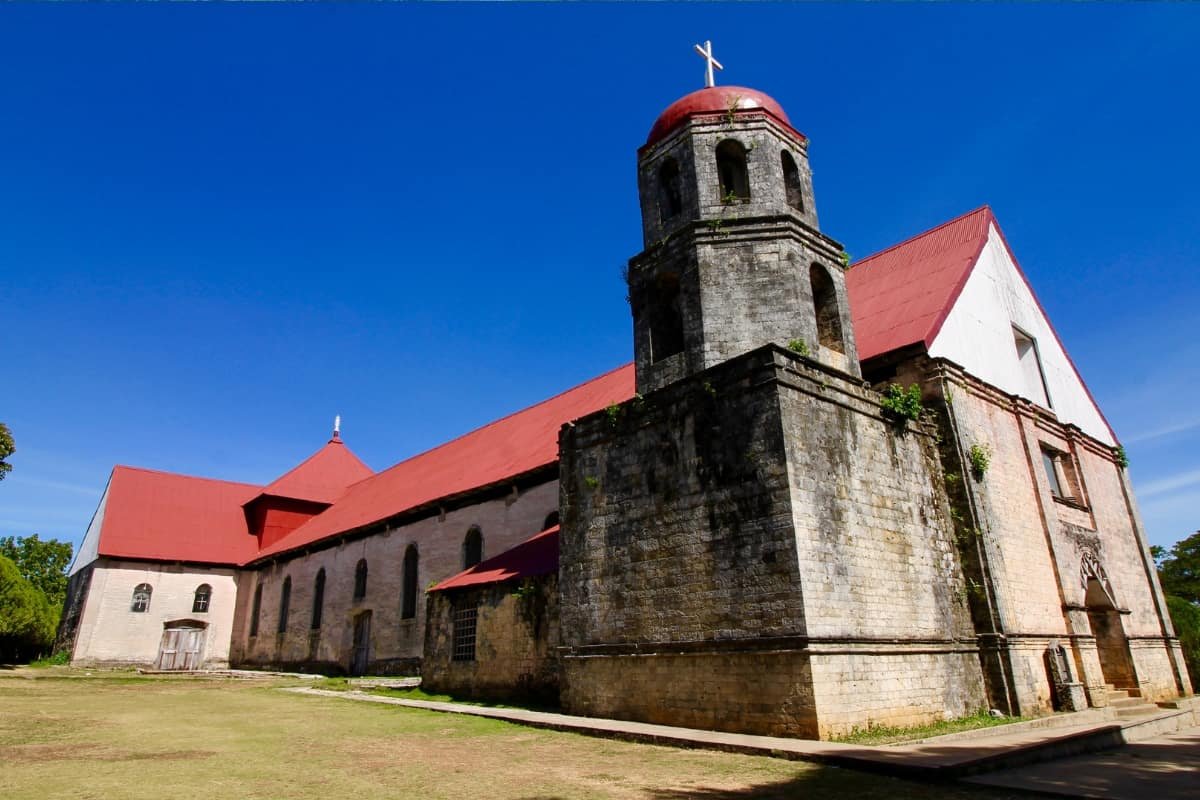
Lazi Church and Convent: Siquijor's Historic Heart
Explore the San Isidro Labrador Parish Church and historic convent in Lazi - a National Historical Landmark showcasing centuries of Filipino-Spanish heritage.
In the heart of Lazi municipality stands one of the Philippines’ most remarkable examples of colonial-era religious architecture: San Isidro Labrador Parish Church, more commonly known simply as Lazi Church. Together with its adjacent convent—once the largest in Asia—this historic complex offers visitors a window into Siquijor’s rich cultural and spiritual heritage.
Historical Significance
The Church
Construction of Lazi Church was completed in 1884 by the Augustinian Recollects, built primarily of coral stone (sea stones) and hardwood. The church features neoclassical architecture with its floors still in their original form, a testament to the craftsmanship of Filipino builders over a century ago.
The bell tower attached to one side of the church was built one year later and remains the most dominant external feature. Its sturdy construction has withstood typhoons and earthquakes, standing as a beacon for the Lazi community for nearly 140 years.
The Convent
Right across from the church stands the Lazi Convent, built in 1887. At the time of its construction, it was the largest convent in Asia—a remarkable achievement for a small island province. Today, the convent functions as the Siquijor Heritage Museum, housing artifacts, religious items, and historical documents.
Recognition and Awards
- 1984: Declared a National Historical Landmark by the National Historical Commission of the Philippines
- 2012: Named a National Cultural Treasure by the National Museum of the Philippines
- Listed as a Baroque Church of the Philippines and submitted by NCCA to UNESCO as a candidate for World Heritage Site status
Insider Knowledge
The design elements of the original Baroque style are visible throughout the structure, even though some partitions have been removed over time. Architecture enthusiasts will appreciate the attention to detail in the stonework and woodwork.
San Isidro Labrador Parish Church (Lazi Church)
Historic 19th-century church and convent, National Historical Landmark
What to See
Inside the Church
- Original stone and hardwood construction — The walls and floors date back to the 1880s
- Religious artifacts — Centuries-old statues, paintings, and ceremonial items
- The altar — Traditional Filipino-Spanish ecclesiastical design
- The bell tower — Accessible for views of the surrounding area (ask permission first)
- Architecture details — Neoclassical and Baroque elements throughout
The Convent Museum
The ground floor of the convent has been converted into classrooms (you might see students practicing for school presentations), while the upper floors house the museum. Inside you’ll find:
- Old artifacts and antiques
- Religious vestments and items
- Historical photographs
- Documents from the Spanish colonial era
- Exhibits on local history and culture
The Exterior
- The church facade — Beautiful stonework with colonial architectural details
- The bell tower — The most photographed element, standing prominently beside the main structure
- The convent building — Impressive in scale, showcasing the importance of the religious community during colonial times
- The plaza — A gathering place for the Lazi community
Good to Know
Lazi Church is an active place of worship. If you’re visiting during mass times, please be respectful of the service. Quietly observe from the back or wait until the service concludes before exploring.
Visiting Tips
What to Wear
As an active church, modest dress is expected:
- Cover shoulders and knees
- Avoid revealing clothing
- Light shawls are available for those who need to cover up
- Remove hats inside the church
Best Times to Visit
- Morning (8-11 AM): Good light for photography, cooler temperatures
- Late afternoon: Beautiful golden light on the stone facade
- During mass: Experience the church as a living community, but be respectful
Photography
- Photography is generally allowed
- Avoid flash during services
- Be mindful of worshippers
- The exterior is particularly photogenic during golden hour
Duration
- Quick visit: 20-30 minutes for church and photos
- Including museum: 45 minutes to 1 hour
- With a local guide: 1+ hour for full historical context
Pro Tip
It’s a bit of a random stop on most Siquijor itineraries, so if you’d like more context, consider joining an organized tour that combines this with other cultural points of interest. Having a local guide explain the stories, legends, and everyday life behind the architecture makes the experience much more meaningful.
Getting There
Lazi Church is located in the center of Lazi municipality, on the south coast of Siquijor.
Travel Times:
- From San Juan: approximately 20 minutes
- From Cambugahay Falls: 5-10 minutes
- From Larena Port: 35 minutes
- From Siquijor Port: 30 minutes
The church is right on the main road through Lazi town, making it impossible to miss.
Understanding the Spanish Influence
Visiting Lazi Church provides insight into the profound Spanish influence on Siquijor and the Philippines. The clear Catholic heritage—the massive church, the largest convent in Asia, the religious artifacts—speaks to centuries of Spanish colonial rule that shaped Filipino culture.
Walking through the stone corridors, you can almost hear the echoes of history: Spanish friars, Filipino parishioners, and the blend of cultures that created something uniquely Filipino.
What’s particularly striking about Siquijor is how this Spanish Catholic heritage coexists with the island’s pre-colonial beliefs in folk healing and spiritual practices. Lazi Church represents the official religion, while just kilometers away, traditional healers maintain practices that predate Spanish arrival.
Combining with Other Lazi Attractions
Lazi municipality is home to several of Siquijor’s top attractions, making it easy to combine the church visit with other activities:
Suggested Lazi Itinerary:
- 8:00 AM — Cambugahay Falls (before crowds)
- 10:30 AM — Lazi Church and Convent
- 11:30 AM — Old Enchanted Balete Tree (5-10 minutes away)
- 12:30 PM — Lunch in Lazi town
- 2:00 PM — Lagaan Falls or Locong Falls
- 4:00 PM — Return to San Juan for sunset
You can also visit the church before or after Cambugahay Falls, as they’re very close to each other.
The Living Heritage
Beyond its historical significance, Lazi Church remains a vibrant center of community life. On Sundays and religious holidays, the church fills with local families attending mass. During fiestas and special celebrations, the plaza comes alive with festivities.
The parish is dedicated to Saint Isidore the Laborer, patron saint of farmers—fitting for an island with strong agricultural traditions. The church’s connection to its community continues the legacy of nearly 150 years.
Local Tips
- Combine with Cambugahay Falls — The church is very close to the famous waterfall
- Visit the convent museum — The PHP 20 fee is worth it for history buffs
- Talk to the locals — Church caretakers often share interesting stories
- Attend a mass — For a truly immersive cultural experience
- Bring cash — For museum entrance and any donations
Final Thoughts
Lazi Church and Convent may not be the most famous attraction in Siquijor—most visitors come for waterfalls and beaches—but for those interested in history, culture, and architecture, it’s genuinely impressive.
Standing inside these century-old walls, seeing the original stone floors, and imagining the generations of Siquijodnons who have worshipped here provides a depth of experience that outdoor attractions can’t match. It’s a reminder that Siquijor’s magic isn’t just in its natural beauty, but in its rich human history.
Whether you’re religious or not, a few minutes walking through this National Historical Landmark offers perspective on the layers of culture that make Siquijor unique. And with no entrance fee for the church itself, it’s an easy addition to any Lazi itinerary.
Just remember to dress respectfully, keep your voice low, and take a moment to appreciate the craftsmanship and history that went into creating this remarkable place.
Frequently Asked Questions
Is there an entrance fee for Lazi Church?
What are the opening hours for Lazi Church?
Can you take photos inside Lazi Church?
Why is Lazi Church historically significant?
Siquijor.xyz Editorial Team
Local experts sharing authentic Siquijor experiences
Related Experiences

Siquijor Artisan Workshops: Weaving, Woodcarving & Local Crafts
Discover Siquijor's traditional crafts through hands-on workshops. Learn from local artisans who preserve ancestral techniques in weaving, carving, and more.
Fishing with Siquijor's Fishermen: A Pre-Dawn Ocean Adventure
Join local fishermen for an authentic pre-dawn fishing experience. Learn traditional techniques, witness sunrise at sea, and connect with Siquijor's maritime culture.

Siquijor Food Guide: Local Dishes & Where to Eat
Discover Siquijor's authentic cuisine from street food to seafood feasts. Local restaurants, traditional dishes, and the flavors that define the island.