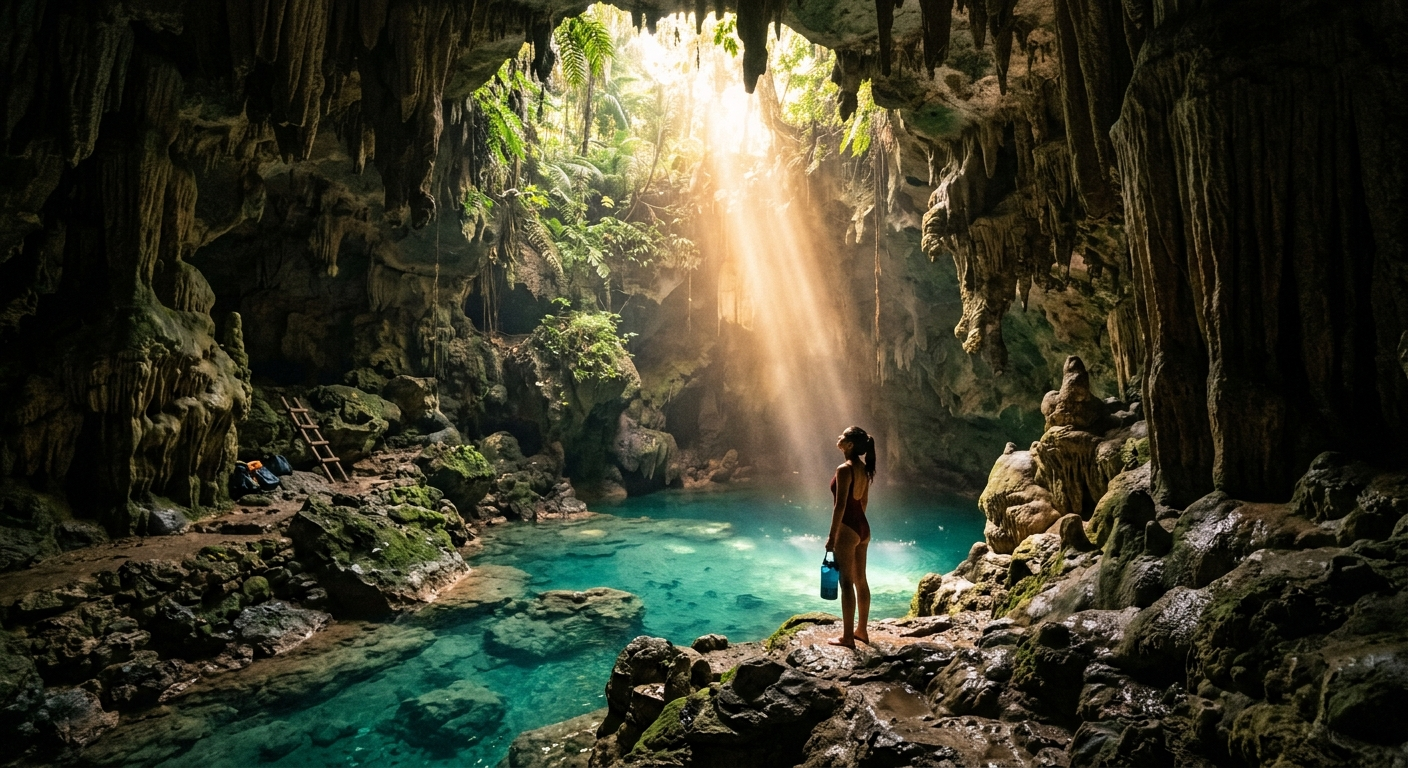
Cantabon Cave Siquijor: The Complete First-Timmer's Adventure Guide
Everything you need to know before exploring Cantabon Cave in Siquijor — from booking a guide and renting gear to navigating the underground river, natural pool, and rock formations.
Siquijor is no longer the Philippines’ best-kept secret. visitor numbers have grown steadily through 2025 and into 2026, and among the island’s rising attractions Cantabon Cave stands out as one of the most memorable experiences available. Located inland in the mountain barangay of Cantabon, this cave system rewards visitors with an underground river, a cenote-style pool, and limestone formations that have been forming for millennia. This guide covers everything a first-timer needs to plan and enjoy the trip.
Where Is Cantabon Cave?
Cantabon Cave sits in the barangay of Cantabon, approximately 9 kilometres inland from Siquijor’s main环形 road on the eastern side of the island. The municipality is San Juan. From Siquijor Town (Larena), the cave is about 40 minutes by motorbike; from Dumanhug (near Solangon), it is closer to 25 minutes. The final 1.5 kilometres is a dirt trail that winds through small farms and secondary forest. There is no marked bus route — most visitors hire a motorbike or arrange a tricycle through their guesthouse.
What to Expect Inside
The cave entrance is a natural opening in a hillside of exposed limestone. Once inside, visitors wade through a shallow underground stream that runs the length of the main chamber. The water is cool and reaches roughly chest height in places, though most of the route can be navigated at knee depth.
Key features inside include:
- The main cavern — a cathedral-sized chamber with stalactites and stalagmites formed over thousands of years. The ceiling occasionally dips low, requiring visitors to duck.
- The natural pool — a clear, cenote-style pool at the heart of the cave where the ceiling opens briefly to reveal a shaft of daylight. This is the most photographed point of the tour.
- Rock shelves and narrow crawlways — sections that require crouching or crawling. These are manageable for most people but can feel tight if you dislike enclosed spaces.
- Bats and cave swallows — harmless, though the guano smell is noticeable near the entrance.
The full route, from entrance to the turnaround pool and back, takes roughly 60 to 90 minutes at a leisurely pace with a guide.
Booking a Guide
A guide is not optional — it is a condition of entry enforced by the local barangay tourism office. Guides are local residents trained in cave safety and conservation. They carry torches for every visitor, know the safe path through the water sections, and can point out formations that are easy to miss.
How to arrange one:
- Ask your accommodation host to book on your behalf. Most guesthouses in San Juan and Siquijor Town maintain direct contacts with Cantabon guides and can arrange everything the night before.
- Walk to the barangay tourism office near the cave trailhead on the morning of your visit. Guides are usually available from 8:00 AM.
- Group bookings are straightforward — the per-person rate drops slightly for parties of four or more.
Guide fees are informal and paid directly on the day. Budget around 200 to 350 PHP per person depending on group size and season.
What to Bring
The cave is wet and muddy in places. Packing correctly makes the experience far more enjoyable.
- Headlamp or waterproof torch — hands-free lighting is essential. Bring your own or ask your guide for a loaner torch.
- Non-slip water shoes or old sandals — the riverbed is uneven and slippery. Avoid flip-flops that float or offer no ankle support.
- Dry bag or zip-lock bag — a small dry bag protects your phone during the water sections. A zip-lock works fine for cameras and wallets.
- Change of clothes and a towel — you will be soaked by the time you exit. Leave dry clothes at the cave entrance or in a small locker some guides maintain.
- Water bottle — it gets warm and humid inside. Staying hydrated matters.
- Waterproof camera or action cam — the cenote pool with its shaft of light is genuinely spectacular. A GoPro or comparable waterproof device captures it well.
Difficulty and Fitness Level
Cantabon Cave is beginner-friendly in the sense that no climbing or rappelling is required. The route is entirely on foot through shallow water and across rocky ground. That said, several sections involve ducking under low ceilings, and the final approach involves a moderately steep dirt path in both directions.
Good for: Most reasonably fit adults and children old enough to walk confidently in water.
Challenging for: Anyone with mobility issues, serious claustrophobia, or respiratory conditions aggravated by humid, enclosed environments. Tell your guide before entering if any of these apply.
Cave Etiquette and Safety Tips
- Do not touch the formations. Stalactites and stalagmites grow a fraction of a millimetre per year. Once oil from human skin settles on them, growth stops permanently. Guides will remind you of this; take the reminder seriously.
- No flash photography near the formations — cameras on automatic flash can damage sensitive surfaces over time.
- Carry out all rubbish. There are no bins inside the cave.
- Tell your guide if you feel unwell at any point. The water pressure and enclosed space can be disorienting for first-timers. Your guide will slow the pace or turn back if needed.
- Avoid visiting after heavy rain. Runoff raises water levels inside quickly and can make the river section unsafe. Morning visits after a dry night are ideal.
Combining Cantabon with Other Siquijor Spots
Cantabon Cave pairs naturally with two of Siquijor’s most popular beaches, forming a satisfying half-day itinerary.
Paliton Beach — a 20-minute drive west of the Cantabon trailhead, Paliton is Siquijor’s answer to a classic tropical postcard: white sand, turquoise water, and a row of bamboo huts selling fresh grilled fish. Visit after the cave for a rinse in the sea.
Cambugahay Falls — en route back toward San Juan, this three-tiered cascade has natural pools for swimming and rope swings for those who want them. Combining Cambugahay with Cantabon and Paliton in a single morning or afternoon is a well-worn local itinerary for good reason.
Frequently Asked Questions
Do I need special permission to visit Cantabon Cave? No formal permit is required for individual visitors, but your guide will register your group at the barangay tourism office before entry. This is handled automatically on the day.
Can children enter Cantabon Cave? Children aged five and older who are comfortable in water can usually manage the route with a parent or guardian close by. For younger children, discuss with your guide beforehand — they will advise whether the child should skip the water sections.
Is there an entrance fee? There is no formal entrance fee. Visitors make a voluntary contribution to the barangay development fund, typically 50 to 100 PHP per person, collected at the trailhead.
Conclusion
Cantabon Cave is the kind of experience that makes Siquijor worth the extra ferry crossing. Unlike beach-hopping or snorkel-stop tours, it puts you underground — quiet, ancient, and genuinely atmospheric. The combination of an underground river, a natural pool of light, and formations that have been growing since before humans walked these islands makes it unlike anything else the island offers. Book a guide, pack the right shoes, and go with respect for the cave. It will reward you in ways that a beach afternoon simply cannot.
Siquijor.xyz Editorial Team
Related Experiences
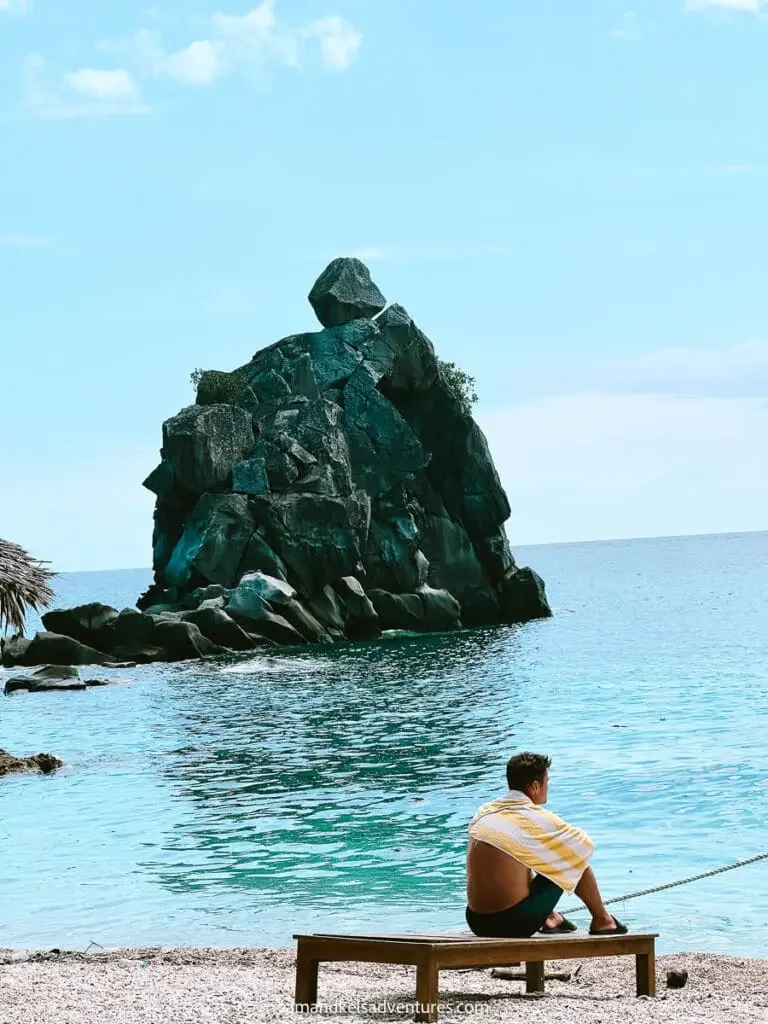
Apo Island Day Trip: Swimming with Sea Turtles
Complete guide to visiting Apo Island from Siquijor - swim with sea turtles, explore vibrant coral reefs, and experience one of the Philippines' best marine sanctuaries.
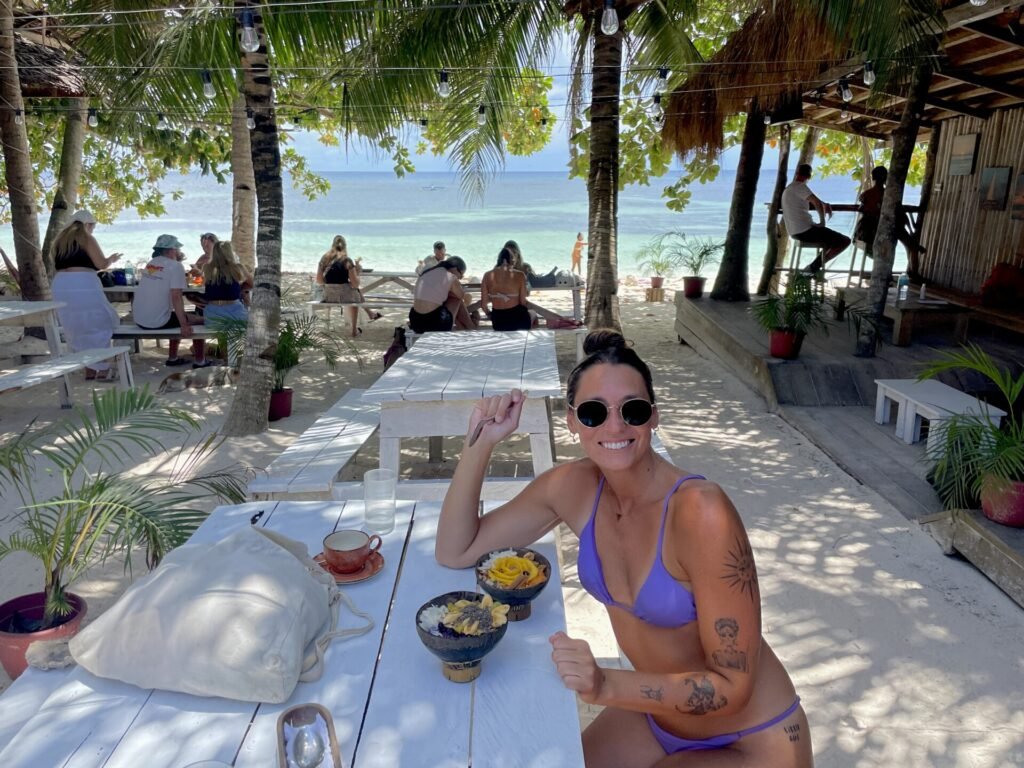
Cantabon Cave Spelunking: An Underground Adventure in Siquijor
Navigate underground rivers, squeeze through tight passages, and discover stunning rock formations in Siquijor's most thrilling cave system. Complete spelunking guide included.
Cliff Jumping at Salagdoong Beach
Your complete guide to cliff jumping at Salagdoong Beach - Siquijor's most thrilling adventure with platforms at 5m, 8m, and 10m heights.