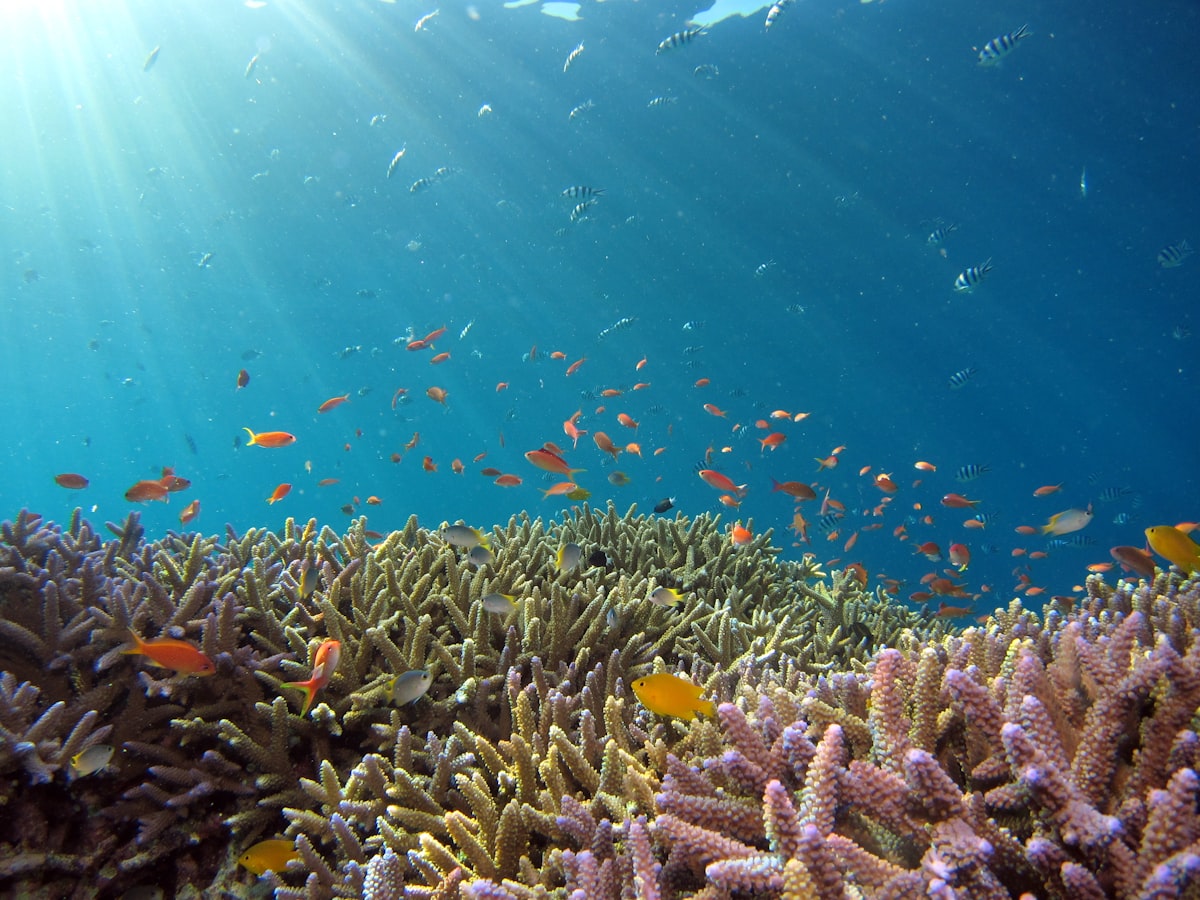
Siquijor Tide Pools: Exploring the Island's Rocky Shore Ecosystems
Discover Siquijor's hidden tide pools along its rocky coastline. Best locations, marine life, safety tips, and when to explore these natural aquariums.
 Island Adventures Team
 A World Between the Tides
Most visitors to Siquijor head straight for the waterfalls, beaches, and dive sites. That makes sense — Cambugahay Falls and Salagdoong Beach are genuinely spectacular. But there is another side of Siquijor’s marine world that almost nobody talks about, one that requires no boat, no dive gear, and no entrance fee.
Along stretches of Siquijor’s coastline, volcanic rock and ancient coral limestone meet the sea. When the tide pulls back, it reveals a network of shallow pools teeming with life. Sea urchins, small fish, starfish, sea cucumbers, hermit crabs, and occasionally even small octopuses inhabit these natural aquariums. For anyone with patience and a keen eye, tide pool exploration offers one of the most rewarding nature experiences on the island.
This guide covers the best tide pool locations around Siquijor, what marine life to expect, when to visit, and how to explore responsibly.
Understanding Siquijor’s Intertidal Zone
Siquijor is a raised coral island, which means much of its coastline is composed of ancient reef limestone rather than soft sand. This geology creates ideal conditions for tide pools. The porous, irregular rock surface traps water as the tide recedes, forming pools that range from shallow puddles to waist-deep basins.
The intertidal zone — the area between high tide and low tide — is one of the most dynamic ecosystems on Earth. Organisms living here must withstand crashing waves, intense tropical sun, dramatic temperature changes, and fluctuating salinity. The creatures that thrive in Siquijor’s tide pools are remarkably adapted to these conditions.
Siquijor’s position in the Coral Triangle, the most biodiverse marine region on the planet, means that even a small tide pool can contain species you would not find in temperate waters anywhere else.
Best Tide Pool Locations
Kagusuan Beach and Surrounding Coast
The rocky platforms extending north and south of Kagusuan Beach in Maria municipality offer some of the most accessible tide pools on the island. The limestone shelf here is broad and relatively flat, making it easy to walk across even for families with children. Pools vary in size from small depressions holding a few liters of water to large basins several meters across.
What makes this area particularly good is the mix of habitats. Sandy pockets between rock outcrops attract different species than the hard limestone surfaces, so you see a wider variety of marine life in a small area. Look for sea urchins wedged into crevices, small damselfish darting between rocks, and bright blue starfish clinging to the pool walls.
Getting there: From the main road in Maria, take the turnoff to Kagusuan Beach. The rocky platforms are accessible from either end of the beach.
Sandugan Point
The northern coast of Siquijor near the town of San Juan features dramatic rocky outcrops at Sandugan Point. The exposed reef platform here is rougher and more irregular than Kagusuan, creating deeper pools with more complex structures. This is where experienced tide pool explorers will find the most interesting specimens.
The deeper pools at Sandugan often retain larger fish that get trapped during tidal changes. Small groupers, wrasses, and blennies are common. The undercut ledges provide shelter for moray eels and spiny lobsters, though these are difficult to spot without looking carefully into dark crevices.
Getting there: Head to Sandugan area north of San Juan. Access the rocky shore from any of the small paths between beachfront properties.
Lazi Coastline
South of Lazi town, the coastline transitions from sandy beach to extensive rocky platforms. This stretch is less visited than the northern and western coasts, which means the marine life is generally more abundant and less disturbed. The pools here tend to be shallower but more numerous, spreading across a wide tidal flat.
This is an excellent location for finding sea cucumbers, which are abundant in the silty pools between rock formations. You may also spot juvenile reef fish using the tide pools as nursery habitat — a reminder of how important these intertidal zones are for the broader marine ecosystem.
Getting there: Follow the coastal road south from Lazi. Several access points lead down to the rocky shore between Lazi and Maria.
Capilay Spring Park Area
While Capilay Spring Park itself is a freshwater attraction in San Juan, the nearby coastline features interesting tide pools where freshwater seepage mixes with seawater. This brackish environment supports a slightly different community of organisms, including certain species of crabs and snails that tolerate variable salinity.
The rock formations here are also geologically interesting, with visible layers of fossilized coral from when the island was submerged thousands of years ago.
Tulapos Marine Sanctuary Edges
The rocky coastline bordering Tulapos Marine Sanctuary in San Juan offers excellent tide pools with the added benefit of being near a protected area. Marine life tends to be more abundant near sanctuary boundaries because of the spillover effect — populations protected inside the sanctuary naturally expand into adjacent habitats.
Look for colorful nudibranchs (sea slugs) on the undersides of rocks, small cowrie shells, and the occasional reef octopus hiding in a crevice.
Marine Life You Will Encounter
Sea Urchins
The most commonly spotted tide pool inhabitants in Siquijor are sea urchins. The long-spined black urchin (Diadema setosum) is abundant, wedging itself into rock crevices where its spines provide protection from predators and waves. Handle them with extreme care — the spines are sharp and can break off under the skin.
You may also spot the shorter-spined collector urchin, which decorates itself with bits of shell and coral rubble as camouflage. These are fascinating to observe but should never be picked up.
Starfish and Brittle Stars
Blue Linckia starfish are occasionally found in deeper tide pools, their vivid coloring making them easy to spot against dark rock. Brittle stars are far more common but harder to find — lift a rock gently (and replace it exactly as you found it) and you may see several scurrying away from the light.
Hermit Crabs
Siquijor’s tide pools host dozens of hermit crab species. Watch a single pool for five minutes and you will likely see several hermit crabs navigating the terrain, carrying borrowed shells that range from tiny snail shells to large turban shells. Their behavior is endlessly entertaining — they frequently investigate new shells, sometimes attempting to trade up.
Small Fish
Tide pool fish in Siquijor include gobies, blennies, and juvenile damselfish. Gobies are particularly well-adapted to tide pool life, with modified pelvic fins that act as suction cups to hold them in place against wave action. Their camouflage is remarkable — you often will not notice them until they move.
Sea Cucumbers
These slow-moving echinoderms are common in sandier tide pools around Lazi and Maria. While they may not win any beauty contests, sea cucumbers play a vital ecological role by processing sediment and recycling nutrients. Siquijor’s waters host several species, from the small black variety to larger, spotted specimens.
Nudibranchs
For dedicated naturalists, nudibranchs are the crown jewels of tide pool exploration. These shell-less snails come in extraordinary colors and patterns — electric blue, bright orange, purple with yellow spots. They are small and easily overlooked, but once you develop an eye for them, you will start finding them everywhere. Check the undersides of rocks and in algae-covered crevices.
Octopus
The reef octopus occasionally takes up residence in tide pools, particularly in deeper basins at Sandugan Point. Their camouflage abilities are legendary — an octopus can match the color and texture of surrounding rock in milliseconds. If you see a rock that seems to breathe or shift slightly, look more closely.
Best Times for Tide Pool Exploration
Tidal Timing
Tide pools are best explored during low tide, when the maximum amount of rocky shore is exposed. In Siquijor, low tides occur roughly twice per day, approximately 12 hours apart. The most dramatic low tides — called spring tides — happen around the new moon and full moon, when the gravitational pull of the sun and moon align.
Check a tide chart for Siquijor before planning your exploration. Several free apps and websites provide accurate tide predictions for the central Visayas. Aim to arrive about an hour before the predicted low tide, which gives you the longest window of exploration as the water recedes and then begins to return.
Time of Day
Early morning low tides are ideal. The light is softer, temperatures are cooler, and marine life tends to be more active. Many tide pool creatures are nocturnal and are still out foraging during early morning hours. By midday, the intense tropical sun heats shallow pools significantly, and many organisms retreat into crevices.
Seasonal Considerations
February through May (dry season) offers the best conditions for tide pool exploration in Siquijor. Calmer seas mean clearer water in the pools, less wave action on the rocky shore, and more comfortable conditions for the explorer. The dry season also coincides with some of the year’s lowest tides.
During the rainy season (June to October), increased wave action and runoff can make rocky shorelines more dangerous and tide pools murkier. Exploration is still possible but requires more caution.
Safety Guidelines
Tide pool exploration is generally safe, but the rocky shore environment presents specific hazards that deserve respect.
Footwear is essential. Never walk on Siquijor’s rocky coastline in bare feet or flip-flops. Reef shoes or sturdy water sandals with good grip protect against sharp rock, sea urchin spines, and stonefish — a camouflaged venomous fish that rests on the bottom of shallow pools.
Watch the tide. Always be aware of the tide cycle. An incoming tide can trap you on exposed rock platforms surprisingly quickly, especially if you are focused on a fascinating pool and not paying attention to the rising water behind you.
Mind your footing. Wet limestone covered in algae is extremely slippery. Move slowly and deliberately. Test each step before committing your weight. A fall on sharp coral rock can cause serious cuts.
Sun protection. You will be exposed to direct sun with no shade for extended periods. Wear a hat, apply reef-safe sunscreen, and bring water. Dehydration and sunstroke are real risks.
Avoid stepping on coral. Even dead-looking coral can be alive. Step on bare rock when possible and avoid crushing anything growing on the surface.
Responsible Tide Pool Exploration
The tide pool ecosystem is fragile despite the tough appearance of its inhabitants. A few principles ensure your visit does not cause harm.
Look but do not take. Leave everything in the tide pool. No shells, no starfish, no coral fragments. Removing organisms from tide pools — even empty shells — disrupts the ecosystem. Hermit crabs depend on a supply of empty shells, and removing them creates a housing crisis.
Replace overturned rocks. If you carefully lift a rock to see what lives underneath (a rewarding technique), always replace it in exactly the same position. Organisms living on the underside depend on the dark, moist conditions. A flipped rock exposes them to sun and desiccation, often killing them within hours.
Do not touch. Resist the urge to handle tide pool creatures. Your skin oils and body heat can stress small marine organisms. Many invertebrates have delicate body structures that are easily damaged by handling, even gentle handling.
Tread lightly. Step on bare rock rather than on organisms. What looks like a patch of dark rock may actually be a colony of living organisms — algae, sponges, or encrusting corals.
Use reef-safe sunscreen. Chemical sunscreens containing oxybenzone and octinoxate are toxic to marine life, and residue washes off your hands into the pools as you explore. Choose mineral-based sunscreens with zinc oxide or titanium dioxide.
Combining Tide Pools with Other Activities
Tide pool exploration pairs well with other Siquijor activities. An early morning tide pool session at Kagusuan can be followed by a visit to nearby Cambugahay Falls as temperatures rise. The Lazi coastline pools are close to Lazi Church and Convent, making for a natural half-day itinerary.
For photographers, tide pools offer exceptional macro photography opportunities. The still, clear water acts as a natural lens, and the colorful marine life provides compelling subjects. A waterproof camera or phone case is essential — you will inevitably want to shoot below the water surface.
Families with children will find tide pool exploration particularly rewarding. The natural aquarium setting captures children’s attention in ways that few other activities can match, and it provides opportunities for informal marine biology education. Just ensure children wear appropriate footwear and understand the “look but do not touch” principle.
Gear Checklist
Before heading out to explore Siquijor’s tide pools, pack the following:
- Reef shoes or sturdy water sandals with grip soles
- Reef-safe sunscreen (mineral-based)
- Wide-brimmed hat
- Water bottle (at least one liter per person)
- Waterproof phone case or camera
- Small towel
- Tide chart (downloaded to phone or printed)
- First aid kit with antiseptic and tweezers (for sea urchin spine removal)
- Polarized sunglasses (cut surface glare, letting you see into pools more clearly)
A Final Thought
Siquijor’s tide pools will not make it onto any list of the island’s top ten attractions. There are no entrance fees, no Instagram-ready rope swings, no crowds. That is precisely what makes them special. In a travel landscape increasingly oriented toward bucket-list spectacles, the quiet act of kneeling beside a rocky pool and watching a hermit crab navigate its world offers something increasingly rare: genuine, unmediated connection with the natural world.
The creatures in these pools have been going about their business for millennia, long before Siquijor became a travel destination. They will continue long after the last tourist goes home. Visiting them is a privilege, and treating their habitat with respect is the least we can offer in return.
Island Adventures Team
Outdoor enthusiasts exploring Siquijor's wild side.
Related Experiences
Apo Island Day Trip: Swimming with Sea Turtles
Complete guide to visiting Apo Island from Siquijor - swim with sea turtles, explore vibrant coral reefs, and experience one of the Philippines' best marine sanctuaries.

Cantabon Cave Spelunking: An Underground Adventure in Siquijor
Navigate underground rivers, squeeze through tight passages, and discover stunning rock formations in Siquijor's most thrilling cave system. Complete spelunking guide included.

Cliff Jumping at Salagdoong Beach
Your complete guide to cliff jumping at Salagdoong Beach - Siquijor's most thrilling adventure with platforms at 5m, 8m, and 10m heights.