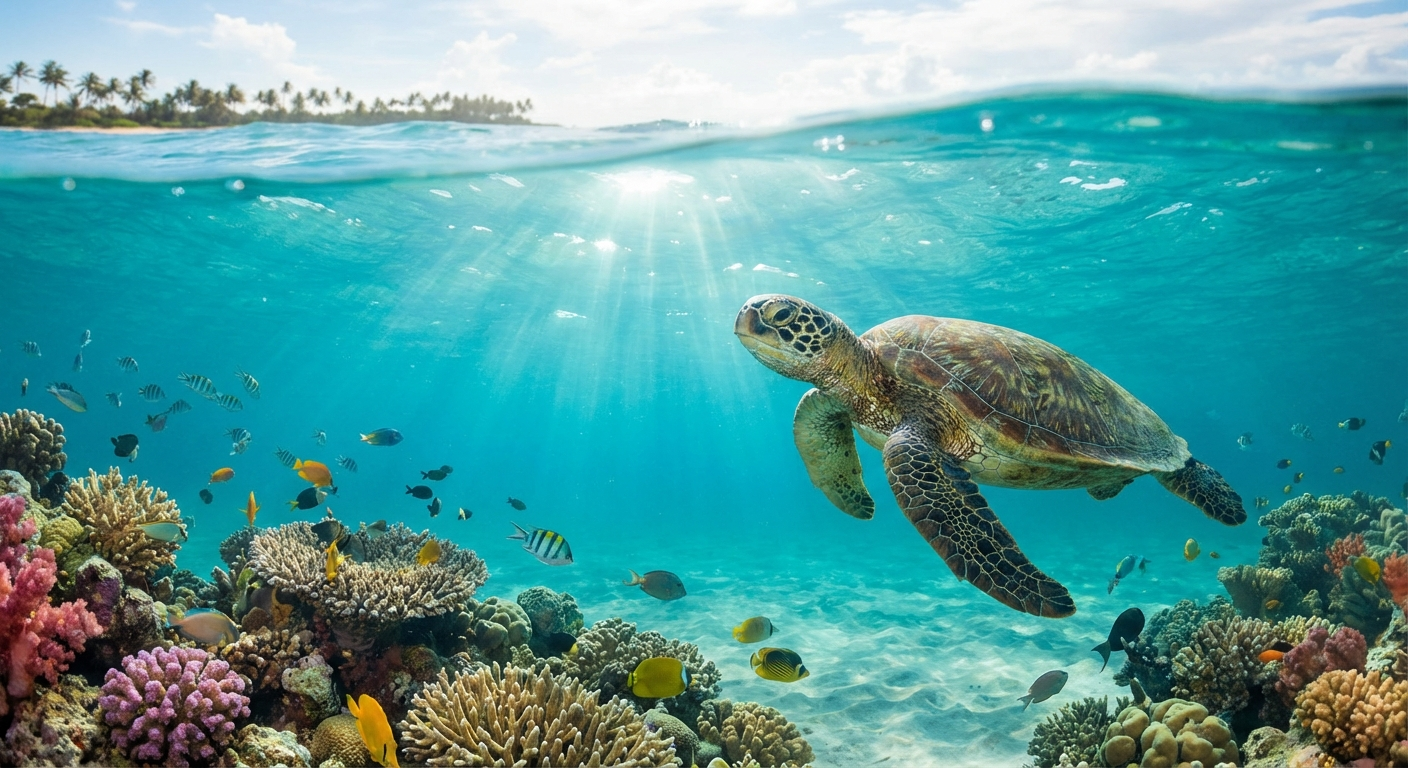
Sea Turtle Watching in Siquijor: Best Spots and Ethical Encounters
Discover where to spot sea turtles around Siquijor Island. This guide covers the best snorkeling sites, responsible viewing practices, and seasonal tips for green and hawksbill turtle encounters.
Siquijor sits in the middle of one of the most biologically diverse marine corridors on the planet. The Bohol Sea and surrounding waters host thriving populations of green sea turtles and hawksbill turtles, and the island’s extensive coral reef systems provide the seagrass beds and sponge-rich habitats these animals depend on. For visitors willing to slip beneath the surface, Siquijor offers some of the most accessible and rewarding turtle encounters in the Central Visayas.
Unlike purpose-built turtle tourism operations found elsewhere in the Philippines, encounters around Siquijor tend to be organic. The turtles are wild, the settings are natural, and the experience depends on patience, timing, and a willingness to respect the animals’ space. This guide covers the best locations, the species you might encounter, and the practices that ensure these meetings remain positive for both visitors and wildlife.
Understanding Siquijor’s Sea Turtles
Two species account for the vast majority of turtle sightings around Siquijor: the green sea turtle and the hawksbill turtle. Knowing the difference enriches the experience and helps with identification.
Green Sea Turtles
The green sea turtle is the more commonly spotted of the two. Adults can reach over a meter in shell length and weigh upwards of 150 kilograms. Despite their name, their shells are typically brown or olive, with the “green” referring to the color of their body fat, a result of their herbivorous diet. Around Siquijor, green turtles are most often found grazing on seagrass beds in shallow water, particularly in the sandy areas adjacent to coral reefs.
Green turtles are generally calm and unhurried. When left undisturbed, they will continue feeding or resting on the bottom, surfacing periodically to breathe. Their feeding behavior makes them relatively predictable, which is why snorkelers encounter them more frequently than hawksbills.
Hawksbill Turtles
Hawksbill turtles are smaller, more colorful, and considerably rarer. Their distinctive pointed beak, which gives them their common name, is adapted for extracting sponges from crevices in the reef. Their shells display a striking pattern of overlapping scales in shades of amber, brown, and gold.
Around Siquijor, hawksbills tend to favor the deeper reef walls and areas with healthy hard coral coverage. They are more skittish than green turtles and will often retreat into reef overhangs if approached too quickly. Sightings are less predictable but more rewarding for their rarity.
Best Locations for Turtle Encounters
Several sites around Siquijor’s coastline consistently produce turtle sightings. Water conditions, reef health, and the presence of seagrass all influence where turtles concentrate.
Tubod Marine Sanctuary, San Juan
Tubod sits along the popular stretch of coastline near San Juan and benefits from years of community-managed protection. The sanctuary’s combination of healthy coral and adjacent seagrass patches creates ideal turtle habitat. Green turtles are spotted here regularly, often feeding in the shallows during morning hours when boat traffic is minimal.
The sanctuary charges a small entrance fee that supports ongoing reef monitoring and enforcement. Snorkeling is straightforward from the shore, with turtle-frequented areas accessible within a short swim. The gentle slope of the reef means visibility is often excellent in the upper sections, making it one of the most beginner-friendly turtle watching sites on the island.
Capalaran Marine Sanctuary, Maria
The northeastern coast of Siquijor sees far fewer visitors than the San Juan corridor, and the Capalaran area rewards those who make the trip. The reef system here drops away more steeply, attracting both green and hawksbill turtles. The deeper sections along the wall are particularly productive for hawksbill sightings, as the coral structure supports the sponge communities these turtles feed on.
Access typically requires a boat or a longer swim from shore. Several dive operators in San Juan and Larena run trips to this area, and the combination of turtle potential and pristine coral makes it a highlight for experienced snorkelers and divers alike.
Paliton Marine Area, San Juan
The reef system extending from Paliton Beach southward holds a mosaic of coral gardens and sandy channels where turtles rest and feed. Early morning snorkeling sessions, before the area fills with day visitors, offer the best chance of encounters. Green turtles are the primary species here, often resting on sandy patches between coral heads.
The clarity of the water along this stretch of coast is exceptional during the dry season months from January through May. March conditions are typically ideal, with calm seas and visibility regularly exceeding 15 meters.
Sandugan Beach, Larena
Sandugan’s long, gently sloping reef provides expansive seagrass coverage that attracts foraging green turtles. The beach itself is quieter than the San Juan tourism hub, and the reduced human activity in the water seems to keep turtles comfortable feeding closer to shore.
Snorkeling at Sandugan is best during high tide when the water over the reef flat is deep enough to swim comfortably without risking contact with coral. Local fishermen in the area can often point visitors toward recent turtle sighting locations.
Salagdoong Reef, Maria
While Salagdoong is famous for its cliff jumping platforms, the reef system below and to the sides of the main swimming area supports surprising marine diversity. Turtles are spotted periodically along the outer reef edge, particularly in the calmer months. The area is best explored with fins and a mask outside of peak visitor hours.
When to Go: Seasonal Considerations
Turtle sightings around Siquijor are possible year-round, but certain conditions improve the odds significantly.
Dry Season Advantage
The dry season, running roughly from December through May, produces the best conditions for turtle encounters. Calm seas mean better visibility, less suspended sediment, and easier swimming conditions. March sits in the heart of this window, with water temperatures around 28 to 30 degrees Celsius and visibility frequently reaching 20 meters or more.
Time of Day
Early morning consistently produces the best turtle sightings. Between 6:00 and 9:00 AM, green turtles are most actively feeding on seagrass, boat traffic is minimal, and the low angle of sunlight penetrating the water creates optimal visibility. Late afternoon, from about 4:00 to 5:30 PM, offers a secondary window as turtles resume feeding after the midday lull.
Tidal Influence
Turtle behavior around the shallow reef flats is influenced by tidal cycles. On the shallower sites like Tubod and Sandugan, incoming and high tide provide enough water depth for turtles to access their preferred feeding areas. Check local tide tables and plan your snorkeling sessions around the higher water periods.
Responsible Turtle Watching Practices
The way visitors interact with sea turtles directly affects the animals’ welfare and their willingness to remain in accessible areas. Irresponsible behavior can cause turtles to abandon feeding grounds, disrupt nesting activity, and create stress responses that compromise their health.
Maintain Distance
Stay at least three meters from any turtle you encounter. This distance allows the animal to behave naturally without feeling threatened. Use the natural buoyancy of the water to hold your position rather than swimming directly toward the turtle. In most cases, a calm and stationary snorkeler will find that a curious turtle approaches on its own terms.
Never Touch or Chase
Touching sea turtles is not only harmful to the animals but illegal under Philippine law. Republic Act 9147, the Wildlife Resources Conservation and Protection Act, classifies all sea turtle species as protected. Chasing a turtle forces it to expend energy reserves, disrupts feeding patterns, and can cause the animal to flee the area entirely.
Control Your Fins
Careless fin kicks near the reef bottom stir up sediment, damage coral, and can strike turtles resting on the substrate. Maintain a horizontal body position with your fins well clear of the bottom. If you find yourself in water too shallow to swim without touching the reef, back away to deeper water.
No Flash Photography
Camera flashes can startle turtles and disrupt their behavior. The natural light conditions during optimal viewing times, particularly early morning, provide excellent illumination for photography without artificial light. Action cameras set to video mode capture more natural behavior than flash-equipped still cameras.
Limit Group Size
Large groups of snorkelers create a wall of bubbles, noise, and movement that turtles find stressful. If you are with a tour group, request that the group split into smaller clusters that approach the reef from different angles. Three to four snorkelers in the water at a time is a reasonable maximum for close turtle encounters.
Gear and Preparation
Snorkeling Equipment
A well-fitting mask, snorkel, and fins are the only equipment necessary for turtle watching around Siquijor. Rental gear is available at most beachfront shops in San Juan and Larena, though quality varies. Travelers who are serious about marine encounters should consider bringing their own mask at minimum, as fit and seal quality make a significant difference in comfort and visibility.
Rashguards and Sun Protection
Reef-safe sunscreen is essential, but a rashguard or lycra shirt provides more reliable sun protection during extended snorkeling sessions. Many visitors underestimate the intensity of tropical sun reflected off the water surface. A long-sleeve rashguard eliminates the need for frequent sunscreen reapplication, which is better for both skin and reef.
Underwater Cameras
A basic waterproof camera or housing for a smartphone captures memorable turtle encounters without the bulk of professional dive photography equipment. GoPro-style action cameras are widely used and handle the depth and light conditions around Siquijor’s reefs well.
Combining Turtle Watching with Other Marine Activities
Turtle encounters fit naturally into broader marine exploration around Siquijor. Several of the island’s best snorkeling and diving sites overlap with turtle habitat, allowing visitors to build a full day of water-based activity.
A productive morning might begin with an early snorkeling session at Tubod for turtle watching, followed by a mid-morning visit to nearby Paliton Beach for swimming and relaxation. Afternoon options include joining a marine biodiversity tour that covers additional reef sites, or exploring the deeper reef walls on a guided dive where hawksbill sightings are more likely.
For visitors planning multiple days of marine activity, the Apo Island day trip from Siquijor offers turtle encounters that are nearly guaranteed, as the island’s protected sanctuary hosts a large resident population of green turtles.
Conservation Context
Siquijor’s marine protected areas have played a meaningful role in maintaining turtle populations along the island’s coastline. The network of community-managed sanctuaries restricts destructive fishing practices, limits boat anchoring on coral, and provides enforcement against poaching.
However, challenges remain. Plastic pollution, particularly discarded fishing nets and single-use packaging, poses a persistent threat to turtles that mistake debris for food. Coastal development in the San Juan tourism corridor has increased pressure on nearshore habitats. Visitors can contribute to conservation by disposing of waste responsibly, participating in beach cleanups organized by local environmental groups, and choosing tour operators who demonstrate genuine commitment to reef protection.
The entrance fees charged at marine sanctuaries directly fund conservation activities. Paying these fees willingly and encouraging others to do the same is one of the simplest ways visitors can support the ecosystem that makes turtle encounters possible.
Practical Tips
Plan for at least two separate snorkeling sessions if turtle watching is a priority. Sightings are never guaranteed with wild animals, and spreading your attempts across different locations and times of day substantially improves your chances.
Arrive at your chosen site before other visitors. The first snorkelers in the water at sites like Tubod and Paliton consistently report the best turtle encounters.
Bring water and a light snack. Early morning departures for prime turtle watching often mean skipping or delaying breakfast. Having provisions on hand allows you to maximize your time in the water during the best viewing window.
Consider hiring a local guide familiar with current turtle locations. Fishermen and sanctuary wardens know the reef intimately and can direct you to areas with recent sightings, saving time and increasing your chances significantly.
Check conditions before committing to a specific site. Wind direction, wave height, and recent weather all affect visibility and accessibility at different locations around the island. A site that is perfect in calm conditions may be churned up and difficult after a day of onshore wind.
Sea turtle watching around Siquijor rewards preparation, patience, and respect. The encounters are unscripted and unpredictable, which is precisely what makes them memorable. By approaching the experience with awareness and responsibility, visitors contribute to a cycle where healthy reefs support thriving turtle populations, and thriving turtle populations draw visitors whose spending funds continued reef protection.
Siquijor.xyz Editorial Team
Local experts sharing authentic Siquijor experiences
Related Experiences
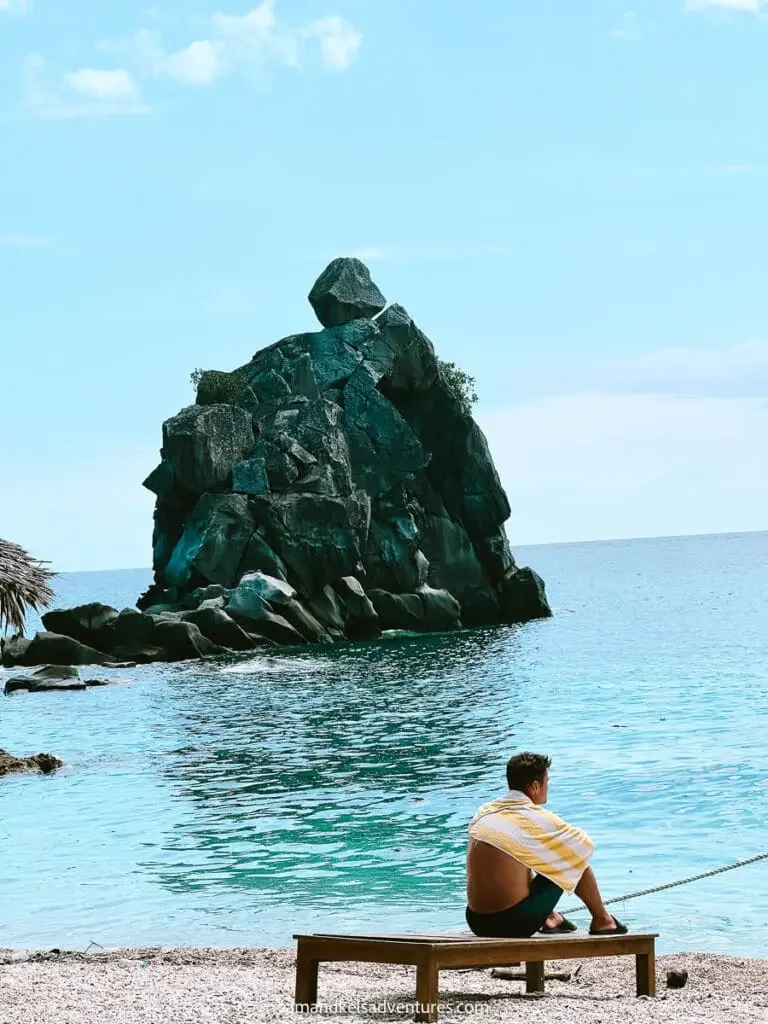
Apo Island Day Trip: Swimming with Sea Turtles
Complete guide to visiting Apo Island from Siquijor - swim with sea turtles, explore vibrant coral reefs, and experience one of the Philippines' best marine sanctuaries.
Cantabon Cave Spelunking: An Underground Adventure in Siquijor
Navigate underground rivers, squeeze through tight passages, and discover stunning rock formations in Siquijor's most thrilling cave system. Complete spelunking guide included.

Cliff Jumping at Salagdoong Beach
Your complete guide to cliff jumping at Salagdoong Beach - Siquijor's most thrilling adventure with platforms at 5m, 8m, and 10m heights.