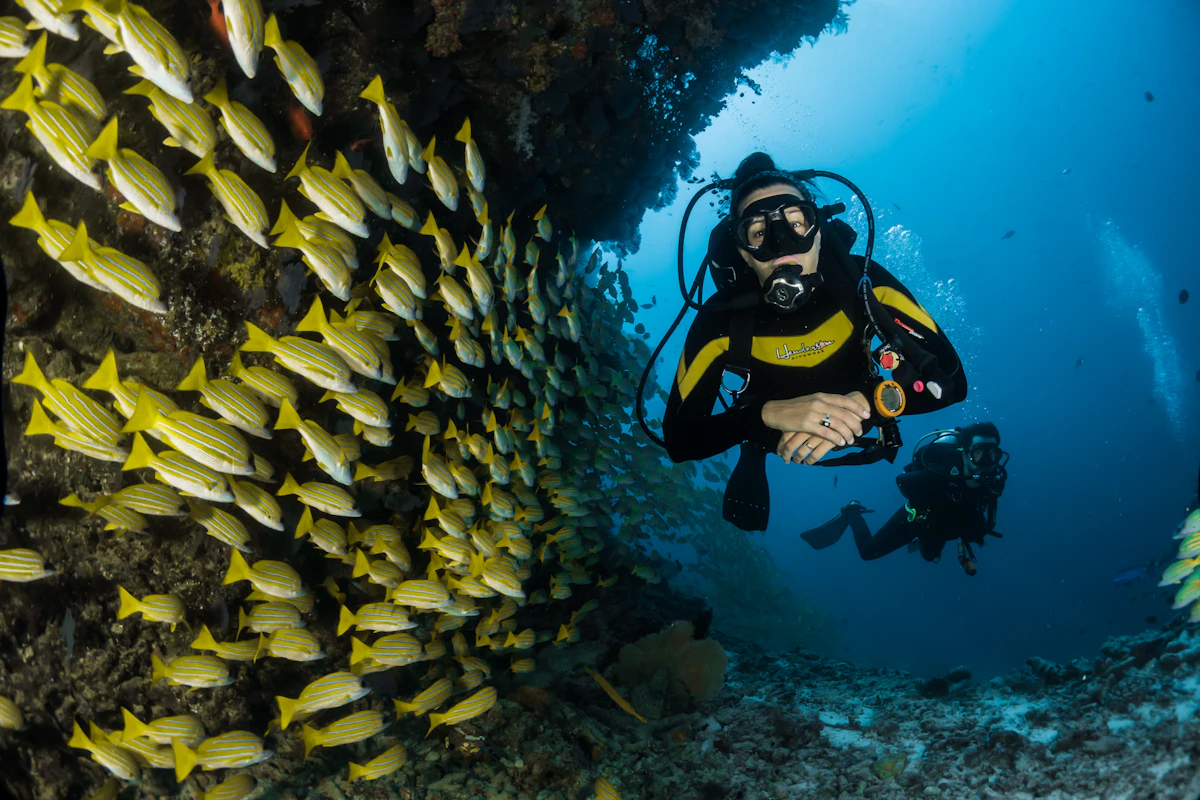
Kayaking Siquijor's Mangrove Trails: A Paddler's Paradise
Discover Siquijor's hidden mangrove kayaking routes through winding channels, diverse birdlife, and pristine coastal ecosystems. Includes rental info, routes, and tips.
Why Kayak Siquijor’s Mangroves?
While most visitors flock to Siquijor’s beaches and waterfalls, the island hides a quieter adventure along its mangrove-lined coasts. These winding channels offer an intimate, almost meditative way to experience the island’s natural side — no crowds, no noise, just you, the paddle, and hundreds of birds going about their morning.
Siquijor’s mangrove forests are among the best-preserved in the Central Visayas, thanks to local conservation efforts that have protected these critical ecosystems. For travelers seeking something beyond the typical tourist trail, a morning paddle through the mangroves is unforgettable.
The Best Kayaking Routes
San Juan Mangrove Channel
Distance: ~3 km round trip Time: 1.5-2 hours Difficulty: Easy
The most accessible route starts near the San Juan fish market. You’ll paddle through a narrow channel flanked by towering mangrove roots, opening into a wider lagoon area where herons fish in the shallows. The route is well-marked and guide-free is possible, though first-timers may appreciate having a local show them the way.
What to expect:
- Narrow, Instagram-worthy channels with overhanging mangrove canopy
- Bird colonies visible from the kayak (keep quiet and you’ll see more)
- Crystal-clear water over sandy bottom in the lagoon area
- Possible sightings of monitor lizards along the banks
Lazi Coastal Mangrove Trail
Distance: ~5 km round trip Time: 2.5-3 hours Difficulty: Easy to Moderate
A longer route that combines mangrove paddling with open-water sections along the Lazi coast. You start from the small pier near Lazi Church, paddle south along the coast, and enter the mangrove system from its seaward side. More exposed to wind than San Juan, so morning departures are essential.
What to expect:
- Open ocean views transitioning to enclosed mangrove channels
- Larger mangrove trees with impressive root systems
- Less visited — you’ll likely have the trail to yourself
- Can be combined with a visit to Lazi Church and Convent
Enrique Villanueva Estuary
Distance: ~2 km round trip Time: 1-1.5 hours Difficulty: Easy
The shortest route, ideal for families or those short on time. A compact mangrove system near Enrique Villanueva offers a condensed but beautiful experience. The water is particularly clear here, and you can often see fish schools moving through the root systems below your kayak.
When to Go
Best Conditions
| Factor | Recommendation |
|---|---|
| Time of day | 6:00-9:00 AM (calmest water, most wildlife) |
| Season | November-May (dry season, clearest water) |
| Tide | Mid to high tide (easier navigation through channels) |
| Moon phase | Any, though full moon weeks can mean higher tides |
Avoid: Afternoon paddling (wind picks up, heat is intense) and rainy season mornings after heavy overnight rain (water can be murky).
Weather Considerations
Siquijor’s mangrove channels are sheltered from wind, making them paddleable even on days when the open ocean is choppy. However, rain makes the experience less enjoyable and reduces wildlife visibility. Check the forecast — but don’t let light cloud cover deter you. Overcast mornings often produce the best birdwatching conditions.
Practical Information
Kayak Rentals
- San Juan Beach Front: ₱300-400/hour for single, ₱500/hour for tandem
- Tubod Marine Sanctuary Area: ₱350/hour, guides available for ₱500
- Resort Rentals: Many beachfront resorts offer kayaks free or at ₱200-300/hour for guests
- Guided Tours: ₱800-1,200 per person including kayak, guide, and snack
What to Bring
Essential:
- Reef-safe sunscreen (applied 30 min before, as you’ll be close to the water)
- Waterproof phone case or dry bag
- Water bottle (1-2 liters for a morning paddle)
- Hat with chin strap (wind can catch loose hats)
Nice to Have:
- Binoculars for birdwatching
- Waterproof camera or GoPro
- Light long-sleeve shirt (sun protection + mosquito barrier)
- Aqua shoes (helpful for launching from rocky shores)
Wildlife Spotting Guide
The mangroves are living ecosystems. Here’s what to look for:
Birds
- Philippine Kingfisher — Flash of blue darting low over the water
- Great Egret — Tall, white, standing motionless in the shallows
- Night Heron — Often spotted roosting in mangrove branches during morning hours
- Brahminy Kite — Soaring above the canopy, distinctive rust-and-white coloring
Marine Life
- Mudskippers — Small fish that “walk” on mangrove roots at the waterline
- Juvenile reef fish — Schools of tiny, colorful fish sheltering in the root systems
- Blue swimming crabs — Often visible in shallow sandy areas
- Starfish — Visible on the sandy lagoon floor on clear days
Other
- Water Monitor Lizard — Occasionally spotted basking on exposed roots
- Mangrove snakes — Rare but present; harmless and they avoid kayakers
Conservation & Responsible Paddling
Siquijor’s mangroves are protected areas. Follow these guidelines:
- Stay in your kayak — Don’t step on mangrove roots or disturb the substrate
- No littering — Bring everything back that you brought in
- Keep noise low — Whisper or speak softly to maximize wildlife encounters
- Don’t touch wildlife — Observe from a respectful distance
- Use reef-safe products — Sunscreen chemicals can damage the ecosystem
- Support local guides — Your money directly funds conservation efforts
Many local guides are fishermen who transitioned to eco-tourism. Their knowledge of the channels, tides, and wildlife is invaluable — and hiring them supports the economic case for mangrove preservation over development.
Combining with Other Activities
A morning kayak pairs perfectly with:
- Snorkeling at Tubod Marine Sanctuary (30 min from San Juan put-in)
- Breakfast at a San Juan beachfront café (post-paddle reward)
- Visit to Lazi Church & Convent (if paddling the Lazi route)
- Afternoon at Salagdoong Beach (different energy — cliffs and jumping)
The Bottom Line
Mangrove kayaking won’t make your Instagram explode like cliff jumping at Salagdoong, but it might be the most Siquijor thing you do on the island. Quiet, natural, unhurried — a reminder of why this island feels different from the rest of the Philippines.
Show up at sunrise, paddle slow, and let the mangroves do the rest.
Frequently Asked Questions
Do I need kayaking experience?
Where can I rent kayaks in Siquijor?
What wildlife can I see?
Is it safe for kids?
Siquijor.xyz Editorial Team
Local experts sharing authentic Siquijor experiences
Related Experiences
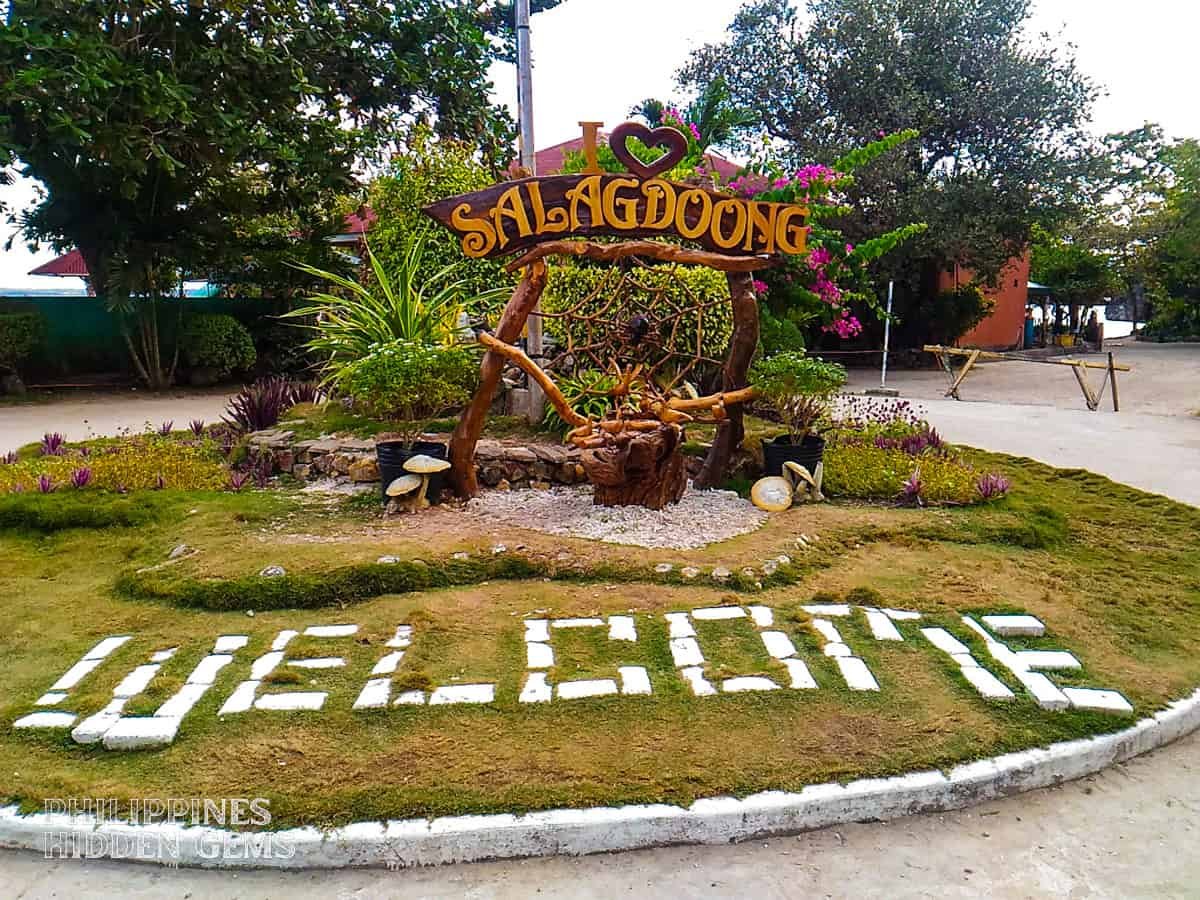
Cliff Jumping at Salagdoong Beach
Your complete guide to cliff jumping at Salagdoong Beach - Siquijor's most thrilling adventure with platforms at 5m, 8m, and 10m heights.

10 Stunning Sunrise Photography Spots in Siquijor
Capture magical golden hour moments at these handpicked sunrise locations across Siquijor Island. GPS coordinates, timing tips, and camera settings for each spot.
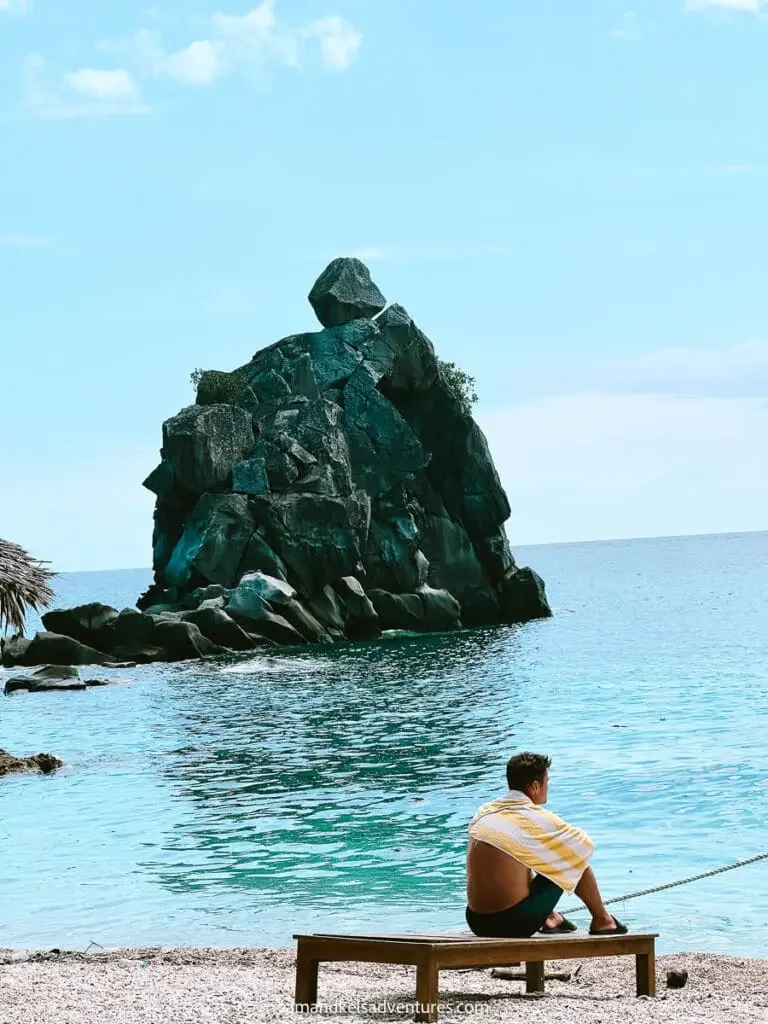
Apo Island Day Trip: Swimming with Sea Turtles
Complete guide to visiting Apo Island from Siquijor - swim with sea turtles, explore vibrant coral reefs, and experience one of the Philippines' best marine sanctuaries.