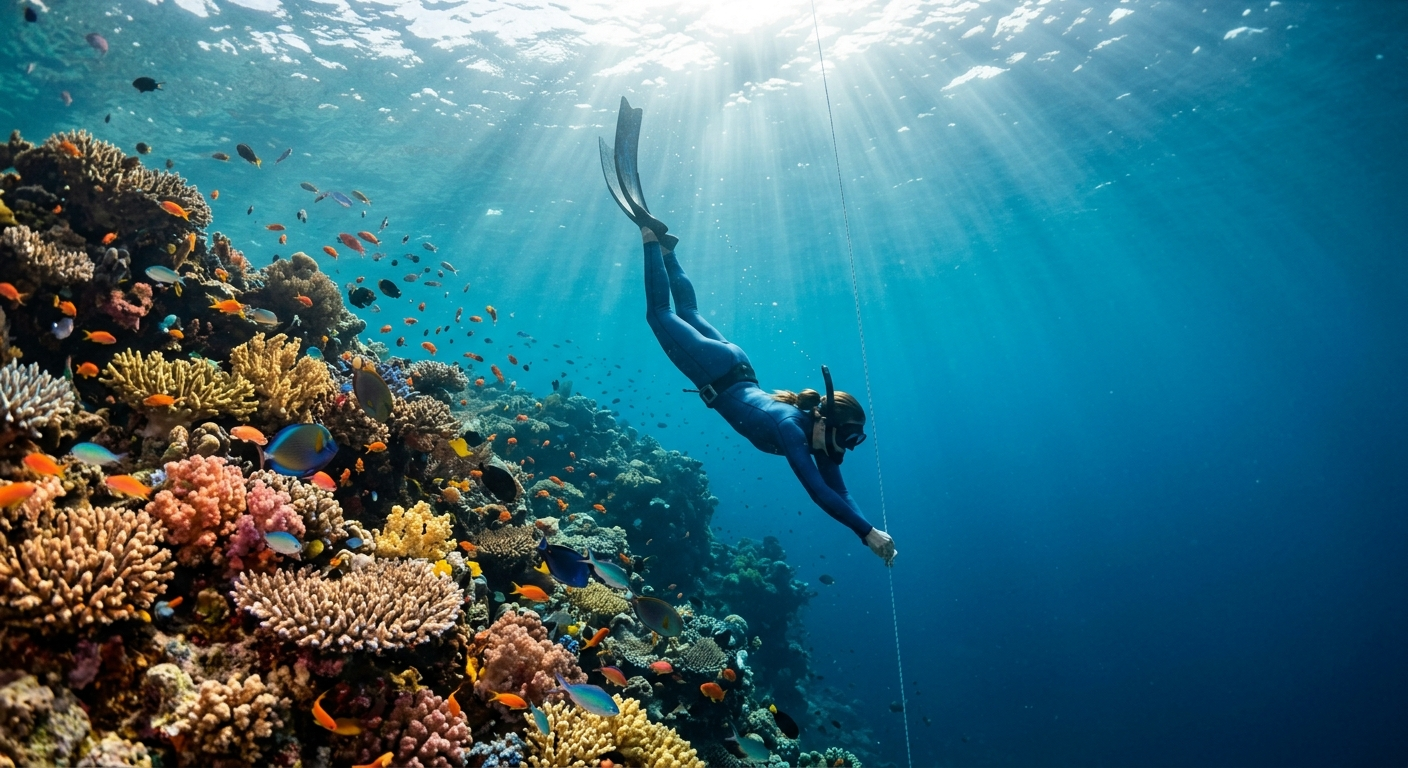
Free Diving in Siquijor: A Beginner's Guide to the Island's Best Sites
Discover Siquijor's best free diving spots. Training, equipment, safety tips, and top locations for beginners and intermediate free divers.
Siquijor has earned a reputation among scuba divers for years, but a quieter community has been building around the island’s shores. Free divers, those who descend on a single breath rather than with a tank on their back, are finding that this small Visayan island offers conditions that rival dedicated freediving destinations across Southeast Asia.
The combination of warm water year-round, excellent visibility, calm seas during dry season, and accessible depth profiles makes Siquijor one of the most welcoming places in the Philippines to start or advance a freediving practice. This guide covers everything you need to know before taking your first breath-hold dive around the island.
Why Siquijor Works for Free Diving
Several factors come together to make Siquijor particularly suited for free diving, especially for those still building their skills.
Water temperature stays between 27 and 30 degrees Celsius throughout the year. This means you can dive comfortably in a rash guard or thin wetsuit without worrying about cold-induced tension that shortens breath holds. For beginners who are still learning to relax underwater, warm water makes a meaningful difference.
Visibility during dry season regularly exceeds 20 meters and can reach 30 meters or more on exceptional days. When you can see the bottom clearly from the surface, the psychological barrier to descending drops significantly. You always know where you are and what is beneath you.
Current conditions around much of the island remain mild compared to dive sites in areas like Tubbataha or the Sulu Sea. Protected bays and the natural shelter provided by neighboring islands create pockets of calm water where you can practice static and dynamic apnea without being swept off your mark.
Depth profiles vary from shallow reef flats at two to five meters to walls that drop to 30 meters and beyond within a short swim from shore. This range means you can progress through depth milestones without needing a boat for every session.
Understanding Free Diving Basics
Before diving into specific sites, it helps to understand what free diving actually involves and how it differs from casual snorkeling.
Free diving is the practice of diving underwater on a single breath. Unlike snorkeling, where you float on the surface and look down, free diving involves actively descending, equalizing pressure in your ears and sinuses, and managing your oxygen consumption throughout the dive. It is a discipline that rewards patience, relaxation, and body awareness far more than raw athleticism.
Static apnea is the practice of holding your breath while floating face-down at the surface. This is the foundation of all free diving and the first skill most courses teach. Beginners typically start with holds of one to two minutes and gradually extend from there.
Dynamic apnea involves swimming horizontally underwater on a single breath, covering distance rather than depth. This builds comfort with sustained effort while breath-holding.
Constant weight diving is what most people picture when they think of free diving. You descend vertically along a line or wall using fins, equalize as you go, turn at your target depth, and swim back to the surface. This is the discipline you will practice most around Siquijor.
Safety Fundamentals
Free diving carries inherent risks that must be respected. The single most important rule is to never dive alone. Shallow water blackout, where a diver loses consciousness during ascent due to dropping oxygen levels, can happen to anyone regardless of experience. Having a trained buddy watching from the surface is not optional.
Other essential safety practices include:
- Always dive on an exhale from full lungs, never after hyperventilating
- Learn proper equalization techniques before attempting depth
- Start every session with warm-up dives at shallow depths
- Know your limits and never push past them to impress anyone
- Rest adequately between dives, allowing at least twice your dive time as surface recovery
- Stay hydrated and avoid alcohol before diving
Best Free Diving Sites Around Siquijor
Tubod Marine Sanctuary
Located near the town of San Juan on the western coast, Tubod Marine Sanctuary is arguably the best starting point for beginner free divers on the island. The sanctuary has been protected for years, resulting in dense coral coverage and abundant fish life in relatively shallow water.
The reef flat extends from shore at depths of three to six meters before sloping down to a sandy bottom at around 12 to 15 meters. This gradual profile is ideal for progressive depth training. You can wade in from the beach, practice breath holds over the reef flat, and then move to the slope when you are ready for deeper dives.
Expect to see schools of fusiliers, damselfish territories, occasional sea turtles, and healthy table corals. The sanctuary charges a small entrance fee that goes directly toward reef conservation.
Salagdoong Beach Drop-Off
The area around Salagdoong Beach on the eastern coast offers a more dramatic underwater landscape. The reef here gives way to a wall that drops steeply, creating opportunities for deeper constant weight dives.
The wall starts at roughly eight meters and drops to 25 meters or more in some sections. Visibility is typically excellent, and the wall is home to soft corals, gorgonian fans, and schools of jacks that patrol the edge. For intermediate free divers working on 15 to 20 meter depths, this is one of the most rewarding sites on the island.
Access is straightforward. Salagdoong is a well-known beach with facilities, and you can swim out to the wall from shore within a few minutes. The cliff jumping platform above gives you a landmark to orient yourself from below.
Paliton Beach Reef
Paliton Beach, famous for its line of coconut palms, also fronts a reef system that works well for free diving. The reef here is wide and relatively shallow, with depths of four to eight meters across most of the dive area.
What makes Paliton special for free divers is the variety of macro marine life. Nudibranchs, pipefish, and juvenile reef fish populate the coral heads, rewarding those who take time to look closely. Because the depths are modest, you can spend more time at the bottom on each dive, observing rather than rushing back to the surface.
Morning sessions at Paliton are particularly good. The water is calmest before the afternoon winds pick up, and early light creates striking visibility conditions over the white sand patches between coral formations.
Caticugan Marine Sanctuary
Situated near the municipality of San Juan, Caticugan offers a different character compared to Tubod. The reef here is more rugose, with deeper channels and overhangs that create interesting topography for exploration.
Depths range from five to 18 meters across the main dive area, with isolated coral bommies rising from sandy bottoms. These bommies are gathering points for marine life. Free divers who can comfortably reach 10 to 12 meters will find the most rewarding dives around these structures, where groupers, lionfish, and the occasional cuttlefish reside.
The sanctuary is managed by the local community, and a small fee applies. The entry point involves a short swim from a rocky shoreline, so reef-safe footwear is recommended.
Sandugan Wall
On the northeastern coast near the port town of Larena, Sandugan Wall presents the most challenging free diving site on this list. The wall is steeper and more exposed than Salagdoong, with depths that quickly exceed 20 meters.
This site is best suited for intermediate to advanced free divers who are comfortable at 15 meters or deeper. The wall hosts black coral, barrel sponges, and pelagic visitors including barracuda and the occasional reef shark. Current can be present here, so timing your session around slack tide is important.
Access requires a short boat ride or a longer surface swim from Sandugan Beach. Coordinating with a local dive shop for boat support is the most practical approach.
Training Options on Siquijor
As free diving grows in popularity across the Philippines, a few instructors and small schools have established themselves on Siquijor. While the island does not yet have the density of training options found in Panglao or Moalboal, you can find certified instruction.
Look for instructors certified through AIDA, SSI, or Molchanovs, the three main international free diving education agencies. A basic course typically covers:
- Breathing techniques and relaxation exercises
- Equalization methods, primarily Frenzel and hands-free
- Static apnea training in confined water
- Open water constant weight dives to 10 to 20 meters
- Safety and rescue procedures, including buddy protocol
A Level 1 or equivalent course usually spans two to three days and costs between 12,000 and 18,000 PHP. This investment is worth making if you have not trained formally before. Self-taught free diving skips critical safety knowledge that could save your life.
If no instructor is available during your visit, consider completing a course in Cebu or Dumaguete before heading to Siquijor. You can then practice independently with a trained buddy at the island’s sites.
Equipment You Will Need
Free diving requires minimal equipment compared to scuba, which is part of its appeal. Here is what you need for diving around Siquijor.
Mask: A low-volume mask designed for free diving makes equalization easier and reduces air you need to clear if water enters. Standard snorkel masks work for shallow dives but become limiting as you go deeper.
Fins: Long-blade fins designed for free diving provide more efficient propulsion than short snorkeling fins. Fiberglass or carbon fiber blades are the standard choice. If you are visiting and do not own free diving fins, some shops on the island rent them, though selection may be limited.
Wetsuit or rash guard: In Siquijor’s warm water, a 1.5 to 2mm wetsuit is sufficient. Many divers use just a rash guard for UV protection. A thin wetsuit does add slight buoyancy that you will need to account for.
Weight belt: A rubber weight belt with lead weights allows you to achieve neutral buoyancy at your target depth. The amount of weight depends on your body composition and exposure suit. A proper free diving course will teach you how to calculate this.
Dive computer or depth gauge: A free diving watch or wrist computer tracks your depth, dive time, and surface interval. Several affordable options exist from brands like Suunto and Garmin.
Nose clip: Some free divers prefer a nose clip for hands-free equalization. This is personal preference and not essential for beginners.
Best Time to Free Dive in Siquijor
March through May represents the peak window for free diving conditions. Seas are calmest, visibility is highest, and weather is most predictable. The current month, March, offers some of the best conditions of the entire year.
December through February is also excellent, with slightly cooler water temperatures and the tail end of the northeast monsoon bringing occasional chop to exposed sites.
June through November can still produce good diving days, but rain, reduced visibility, and stronger currents make session planning more important. Sheltered sites like Tubod remain diveable in most conditions.
Early morning dives, between 6:00 and 9:00 AM, consistently offer the best conditions regardless of season. Wind typically builds through the day, and by afternoon, surface chop can make entries and exits less comfortable.
Practical Tips for Free Diving in Siquijor
Respect marine sanctuaries. Pay entrance fees, follow sanctuary rules, and do not touch or stand on coral. These protected areas exist because of community effort, and their health directly benefits your diving experience.
Hydrate aggressively. The tropical heat dehydrates you faster than you realize, and dehydration impairs both equalization ability and breath-hold capacity. Drink at least two liters of water before your morning session.
Eat light before diving. A heavy meal redirects blood flow to your digestive system, reducing the oxygen available for diving. A light breakfast of fruit and rice at least an hour before diving works well.
Manage sun exposure. You will spend significant time floating at the surface between dives. A rash guard, reef-safe sunscreen, and a hat for surface intervals will prevent sunburn that can ruin the rest of your trip.
Connect with the local community. Dive shops, even those primarily focused on scuba, can provide information about current conditions, recent marine life sightings, and site access. Some shops are starting to offer free diving equipment rental and guided sessions.
Carry a surface marker buoy. Especially if diving from shore at sites near boat traffic, an inflatable surface marker buoy makes you visible to passing vessels. Safety equipment is never excessive.
Free Diving vs. Scuba on Siquijor
Both disciplines have their place, and many divers practice both. Free diving offers a more intimate, silent experience underwater. Without the noise of a regulator and the bulk of a tank, you move differently, and marine life often responds by approaching rather than fleeing.
Free diving is also more spontaneous. You do not need to arrange tank fills, plan dive profiles around nitrogen loading, or carry heavy equipment on a motorcycle. A mask, fins, and a weight belt fit in a small bag, and you can dive whenever conditions allow.
For exploring deeper walls, extended bottom time at depth, or photographing subjects that require patience at 20 meters or more, scuba remains the practical choice. The two approaches complement each other well, and Siquijor is a place where you can easily do both within the same trip.
Getting Started
If free diving interests you but you have never tried it, Siquijor is a forgiving place to begin. Start with comfortable snorkeling at any of the marine sanctuaries. Practice duck dives to three or four meters, get comfortable equalizing, and see how the underwater world feels on a single breath.
If that experience hooks you, as it does for most people, book a proper course either on the island or nearby. Learn the safety protocols, practice the techniques, and then return to Siquijor’s reefs with the skills to explore them properly.
The island is small enough that you can visit multiple dive sites in a single day, varied enough that you will not run out of new terrain to explore, and calm enough that conditions rarely prevent you from getting in the water. For free divers at any level, Siquijor delivers.
Siquijor.xyz Editorial Team
Local experts sharing authentic Siquijor experiences
Related Experiences
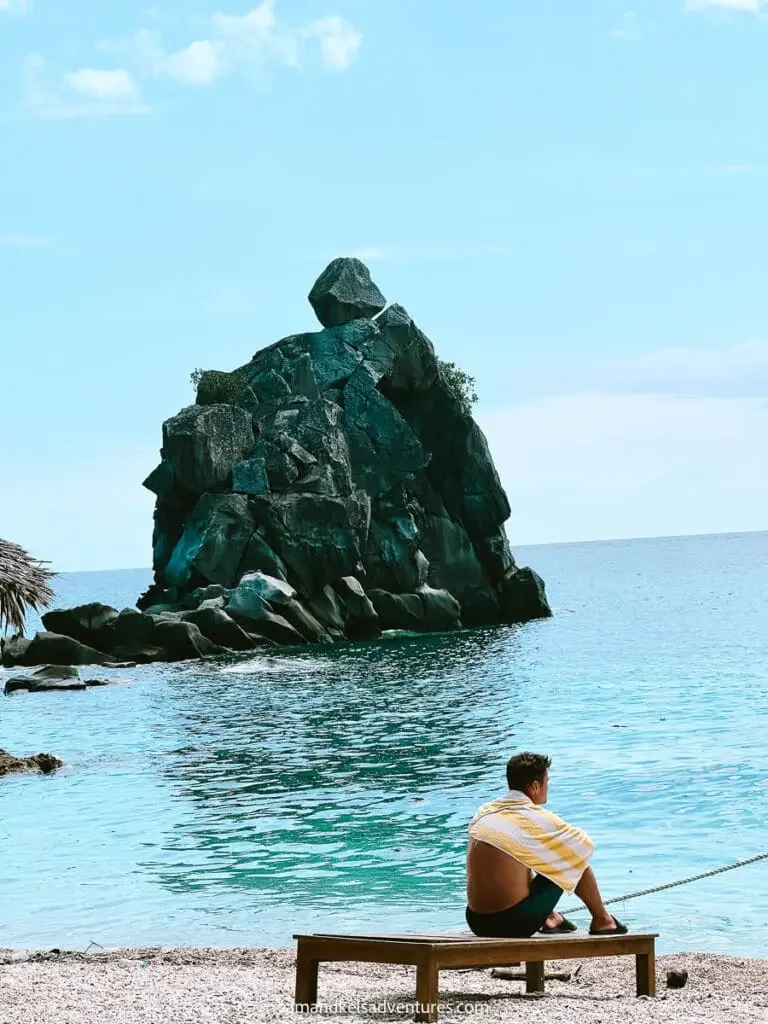
Apo Island Day Trip: Swimming with Sea Turtles
Complete guide to visiting Apo Island from Siquijor - swim with sea turtles, explore vibrant coral reefs, and experience one of the Philippines' best marine sanctuaries.
Cantabon Cave Spelunking: An Underground Adventure in Siquijor
Navigate underground rivers, squeeze through tight passages, and discover stunning rock formations in Siquijor's most thrilling cave system. Complete spelunking guide included.
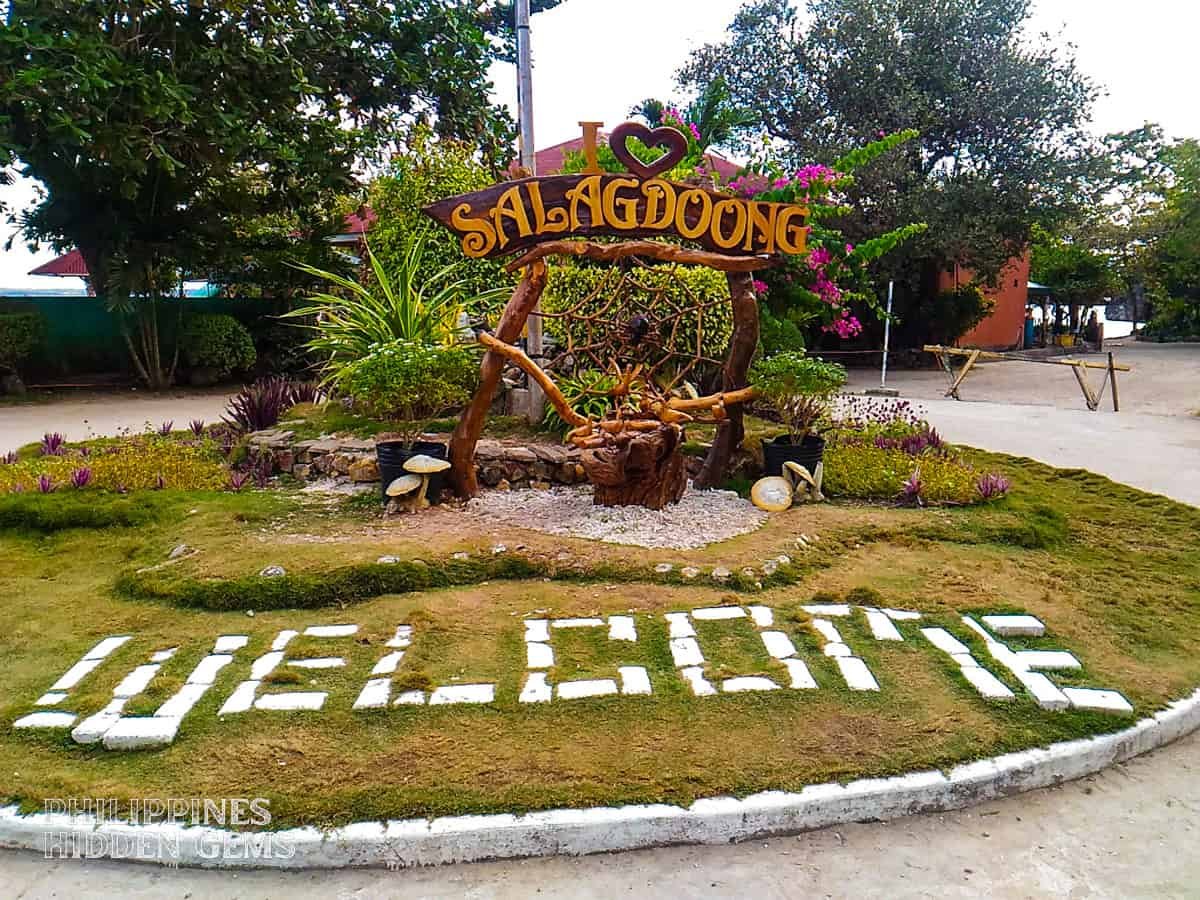
Cliff Jumping at Salagdoong Beach
Your complete guide to cliff jumping at Salagdoong Beach - Siquijor's most thrilling adventure with platforms at 5m, 8m, and 10m heights.