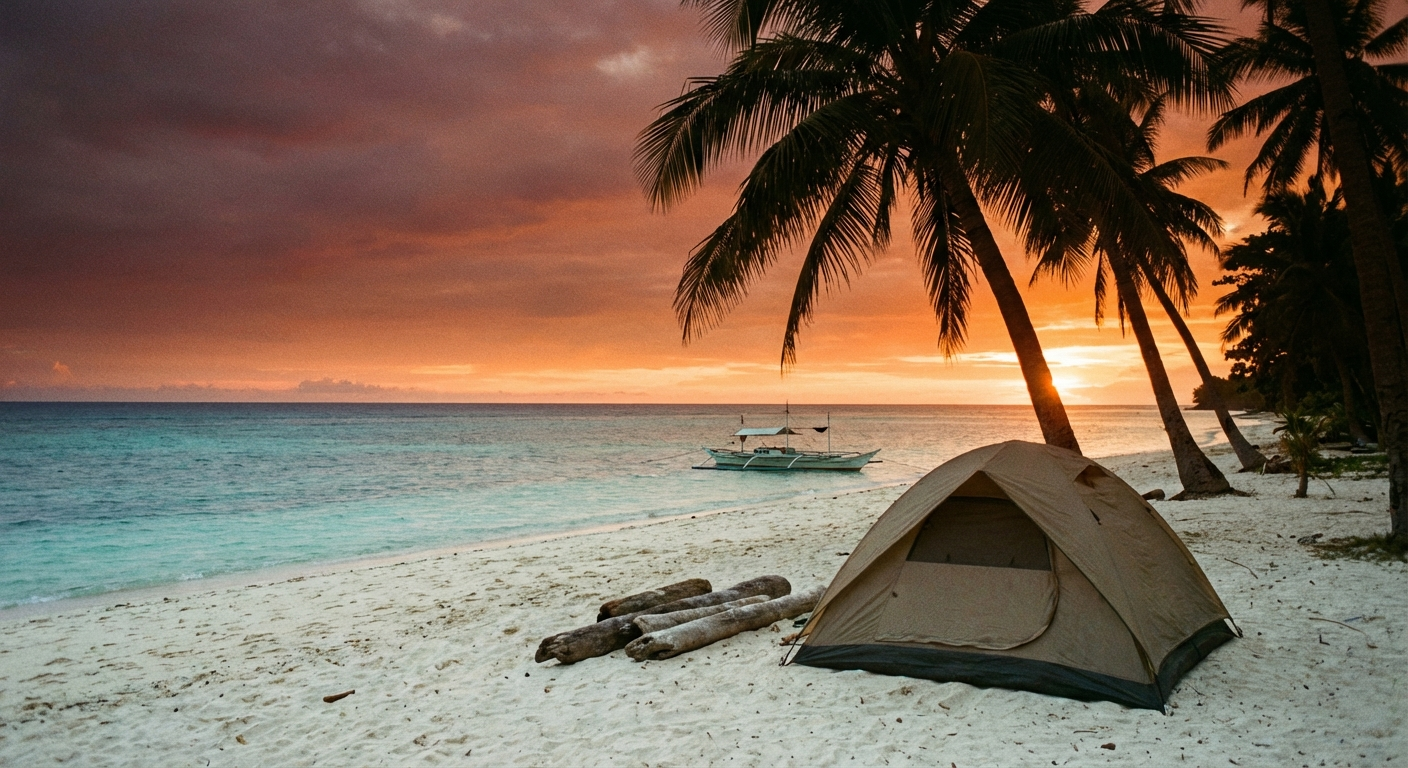
Camping in Siquijor: Beach Camps, Mountain Sites & Starlit Nights
A complete guide to camping in Siquijor Island. Discover the best beach camping spots, mountain campsites near Mount Bandilaan, gear tips, permits, and what to expect sleeping under the stars.
 Island Adventures Team
 Why Camp in Siquijor
Siquijor is not the first Philippine island that comes to mind when you think of camping. Most visitors check into beachfront resorts or budget guesthouses, spend their days waterfall-hopping, and never consider spending a night outdoors. That is a missed opportunity. The island’s compact size, low population density, minimal light pollution, and abundance of quiet coastline make it one of the most rewarding camping destinations in the Visayas.
Camping here is not about roughing it in remote wilderness. It is about sleeping ten meters from the tide line on a beach you have entirely to yourself, waking to the sound of fishing boats heading out before dawn, and watching the Milky Way stretch across an unobstructed sky. Whether you are an experienced camper or someone who has never pitched a tent, Siquijor offers a version of the experience that works for you.
This guide covers the best camping spots on the island, what gear to bring, how to handle permits and local etiquette, and practical tips for making your overnight stay comfortable and respectful.
Beach Camping Spots
Kagusuan Beach
Kagusuan is the island’s most secluded major beach, tucked below limestone cliffs on the southeast coast near Lazi. Access requires a short descent down a staircase carved into the rock. The relative difficulty of reaching it means you will often have the beach to yourself, especially on weekday evenings. The sand is coarse and white, the water is calm in dry season, and there is enough flat ground above the high tide line to pitch two or three tents comfortably.
The beach faces east, which means you wake to sunrise directly over the water. There are no facilities here — no electricity, no running water, no vendors. Bring everything you need, including drinking water, and pack out all your rubbish. A small caretaker sometimes collects a modest entrance fee during the day, but evenings are unattended.
Best for: Experienced campers who want solitude and a spectacular sunrise.
Paliton Beach (Southern End)
The famous Paliton Beach stretches further south than most visitors realize. While the main section near the palm tree lineup gets regular foot traffic, the southern stretch is quieter, especially after the day-trippers leave around 4 PM. The sand here is fine and white, and coconut palms provide natural shade for setting up camp.
You will need to coordinate with locals or the barangay if you plan to stay overnight. Paliton is more public than Kagusuan, so expect the occasional evening fisherman or couple walking past. The advantage is proximity to San Juan town for supplies, and the sunset views are among the best on the island.
Best for: First-time campers who want beauty without complete isolation.
Solangon Beach (Maria)
On the quieter western side of the island, Solangon Beach in the municipality of Maria sees very few tourists. The beach is wide, with dark sand and calm, shallow water. Several sections have mature trees providing shade and windbreak. The nearby barangay is friendly and generally welcoming to campers who ask permission first.
The sunsets here are extraordinary — the sky turns deep orange and pink as the sun drops behind the Negros mountains across the strait. Light pollution is almost nonexistent, making this one of the best stargazing locations on the island.
Best for: Sunset chasers and stargazers who prefer a quiet, community-adjacent setting.
Salagdoong Beach (After Hours)
Salagdoong Beach is primarily known for its cliff jumping platforms and resort facilities, but the broader coastal area managed by the municipality of Maria extends beyond the main swimming area. With advance coordination through the local tourism office, overnight camping in designated areas is sometimes permitted. The forested sections behind the beach provide shelter and shade.
This is the most structured camping option on the island, with access to basic facilities like restrooms during operating hours. It is worth noting that the area does close to day visitors in the late afternoon, so you will have the place largely to yourself after that.
Best for: Families or groups who want some infrastructure nearby.
Mountain and Inland Camping
Mount Bandilaan National Park
Mount Bandilaan is the highest point on Siquijor at 557 meters above sea level. The national park surrounding the summit includes forest trails, a butterfly sanctuary, and open grassy areas that are suitable for camping. The temperature at elevation is noticeably cooler than the coast, dropping to around 22-24 degrees Celsius at night during dry season — pleasant sleeping weather.
Camping near the summit requires coordination with the local DENR (Department of Environment and Natural Resources) office or the municipal tourism office in Lazi or Larena. There are no formal campsites with facilities, so you need to be self-sufficient with water and food. The reward is a panoramic view of the island and, on clear nights, a sky dense with stars and the occasional satellite track.
The area around the cross and viewing platform at the summit is the most popular spot for setting up. The ground is generally flat and grassy. Be prepared for dew and occasional mist, especially in the early morning hours.
Best for: Hikers and nature enthusiasts who want cooler temperatures and forest immersion.
Barangay Campalanas Area
Between the coast and Mount Bandilaan, the interior barangays of Siquijor offer a different camping experience. The rolling terrain, coconut plantations, and small farms create a pastoral landscape that feels removed from the beach tourism of the coast. Campalanas and surrounding areas have open land where, with the barangay captain’s permission, camping is possible.
The experience here is more about rural immersion than scenic drama. You will hear roosters, see fireflies, and possibly be invited to share a meal with curious neighbors. It is an authentic slice of island life that most visitors never encounter.
Best for: Cultural adventurers seeking genuine rural Philippine experiences.
Gear and Preparation
What to Bring
Essential gear:
- Lightweight tent with rain fly (even in dry season, dew is heavy)
- Sleeping pad or inflatable mat (sand and grass are not as soft as they look)
- Light sleeping bag or sheet (temperatures rarely drop below 24 degrees on the coast)
- Headlamp with extra batteries
- Insect repellent (mosquitoes are active at dusk and dawn)
- Reef-safe sunscreen
- Reusable water bottles (minimum 3 liters per person per day)
- Compact stove or ready-to-eat food
- Trash bags for packing out waste
Useful additions:
- Tarp for ground cover or rain shelter
- Hammock (many sites have suitable trees)
- Snorkeling mask for morning swims
- Portable phone charger
- First aid kit with antihistamines for insect bites
What Not to Bring
Leave the Bluetooth speakers at your hotel. Part of the appeal of camping in Siquijor is the natural soundscape: waves, insects, birdsong at dawn. Loud music disrupts both the atmosphere and local communities. Similarly, avoid single-use plastics wherever possible. Siquijor has a growing zero-waste movement, and responsible visitors support it by minimizing their waste footprint.
Permits, Permission, and Local Etiquette
There is no formal camping permit system in Siquijor. The island does not have designated campgrounds with booking systems or ranger stations. What it does have is a strong sense of community ownership over public spaces. The practical approach to camping anywhere on the island follows a simple protocol:
-
Ask the barangay captain. Every beach and piece of land falls under a barangay’s jurisdiction. Find the nearest barangay hall, introduce yourself, and ask if overnight camping is permitted. In nearly every case, the answer is yes, often accompanied by helpful advice about the best spot, water sources, and safety.
-
Respect private property. Some beachfront land is privately owned even if it appears public. When in doubt, ask. Locals are almost always happy to clarify boundaries.
-
Leave no trace. This is non-negotiable. Pack out everything you bring in. Do not bury trash. Do not leave food waste. Siquijor’s beaches and forests are pristine because the communities maintain them.
-
Keep fires small or skip them entirely. Beach bonfires are culturally acceptable in some areas but not all. Always ask before lighting a fire, use existing fire rings if present, and never burn plastic or treated wood.
-
Be mindful of noise. Many beach and inland areas are close to residential homes. Keep noise to a minimum after 9 PM.
Safety Considerations
Siquijor is one of the safest islands in the Philippines, and camping here carries minimal risk compared to more remote wilderness destinations. Still, a few precautions are worth noting.
Tides and weather. Always set up camp well above the high tide line. Check tide tables before choosing your spot. During dry season (November to May), weather is generally predictable, but sudden squalls can occur. A good rain fly on your tent handles most of what Siquijor’s weather can produce.
Marine life. If you are camping near the shore and plan to wade or swim, wear reef shoes. Sea urchins are present on rocky sections, and the occasional jellyfish appears, especially during March and April.
Insects. Mosquitoes are the main nuisance. Use repellent, wear long sleeves at dusk, and consider a mosquito net if your tent does not have fine mesh. Sand flies (niknik) can be present on some beaches, particularly at dawn and dusk.
Dogs. Siquijor has many free-roaming dogs. They are generally friendly but can be territorial at night. If dogs approach your campsite, remain calm and avoid direct eye contact. Keeping food sealed and away from your tent reduces nighttime canine visitors.
Emergency contacts. Save the number of the nearest barangay health station and the Siquijor Provincial Hospital in Siquijor town. Mobile signal coverage is good across most of the island, though inland areas near Mount Bandilaan can have weak spots.
Best Time for Camping
The optimal camping season in Siquijor runs from November through May, coinciding with the dry season. February and March are particularly good months — the holiday crowds have thinned, rain is rare, and temperatures are warm but not punishing. Nighttime temperatures on the coast hover around 25-27 degrees Celsius, comfortable for sleeping without heavy insulation.
The dry season also coincides with the calmest seas, meaning beach camping spots are at their most accessible and the water is clear for morning snorkeling right from your campsite.
Rainy season camping (June to October) is possible but requires more preparation. Afternoon downpours are common, and some beach access points become muddy or difficult. The upside is near-complete solitude and dramatically lush landscapes.
Combining Camping with Other Activities
One of the best ways to experience camping in Siquijor is as part of a broader adventure itinerary. A few natural combinations:
-
Camp at Kagusuan Beach, hike to Lazi Church the next morning. The historic church and convent are less than 20 minutes by motorbike from Kagusuan.
-
Camp near Mount Bandilaan, explore the butterfly sanctuary at dawn. The sanctuary is most active in early morning light, before the heat of the day.
-
Camp at Solangon Beach, do the coastal tour the following day. Starting from Maria puts you in a good position to complete the 72-kilometer island loop with plenty of daylight.
-
Camp at Paliton, join a sunrise fishing trip from San Juan. Local fishermen often welcome interested visitors who arrive early enough at the boat landing areas.
Final Thoughts
Camping in Siquijor strips away the layers between you and the island. Without walls and air conditioning, you hear the ocean’s rhythm change through the night, feel the temperature shift as clouds pass overhead, and notice the precise moment dawn begins to lighten the eastern sky. It is a fundamentally different experience from hotel-based travel, and on an island this beautiful, it rewards the small inconveniences many times over.
The key to a good camping experience here is preparation and respect. Bring what you need, ask before you set up, leave the place cleaner than you found it, and remain open to the unexpected — a fisherman sharing his morning catch, a spectacular meteor streaking across the Siquijor sky, or simply the profound quiet of an island at rest.
Siquijor has been welcoming visitors for centuries. Camping here, done right, is one of the most genuine ways to accept that welcome.
Island Adventures Team
Outdoor enthusiasts exploring Siquijor's wild side.
Related Experiences
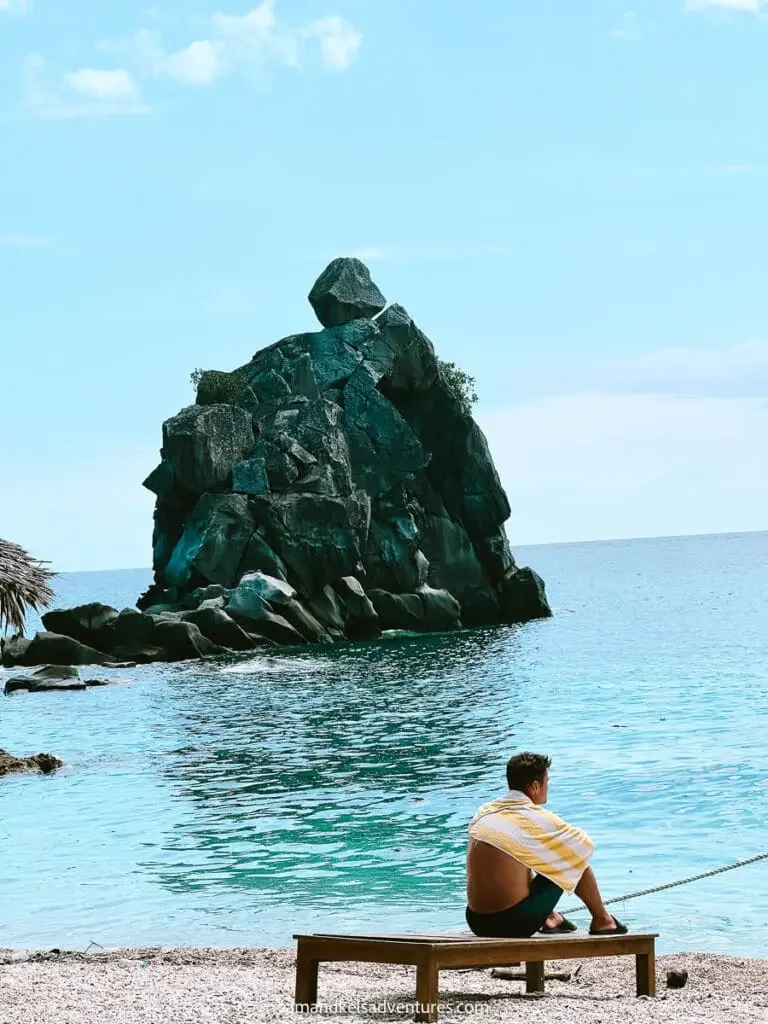
Apo Island Day Trip: Swimming with Sea Turtles
Complete guide to visiting Apo Island from Siquijor - swim with sea turtles, explore vibrant coral reefs, and experience one of the Philippines' best marine sanctuaries.
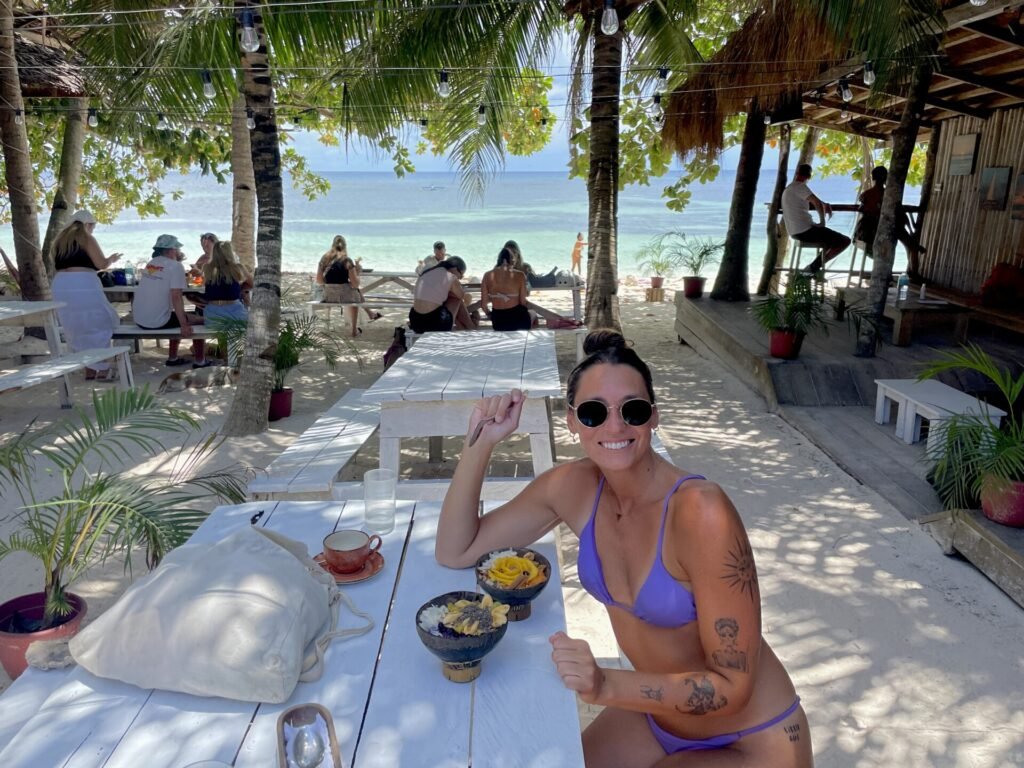
Cantabon Cave Spelunking: An Underground Adventure in Siquijor
Navigate underground rivers, squeeze through tight passages, and discover stunning rock formations in Siquijor's most thrilling cave system. Complete spelunking guide included.
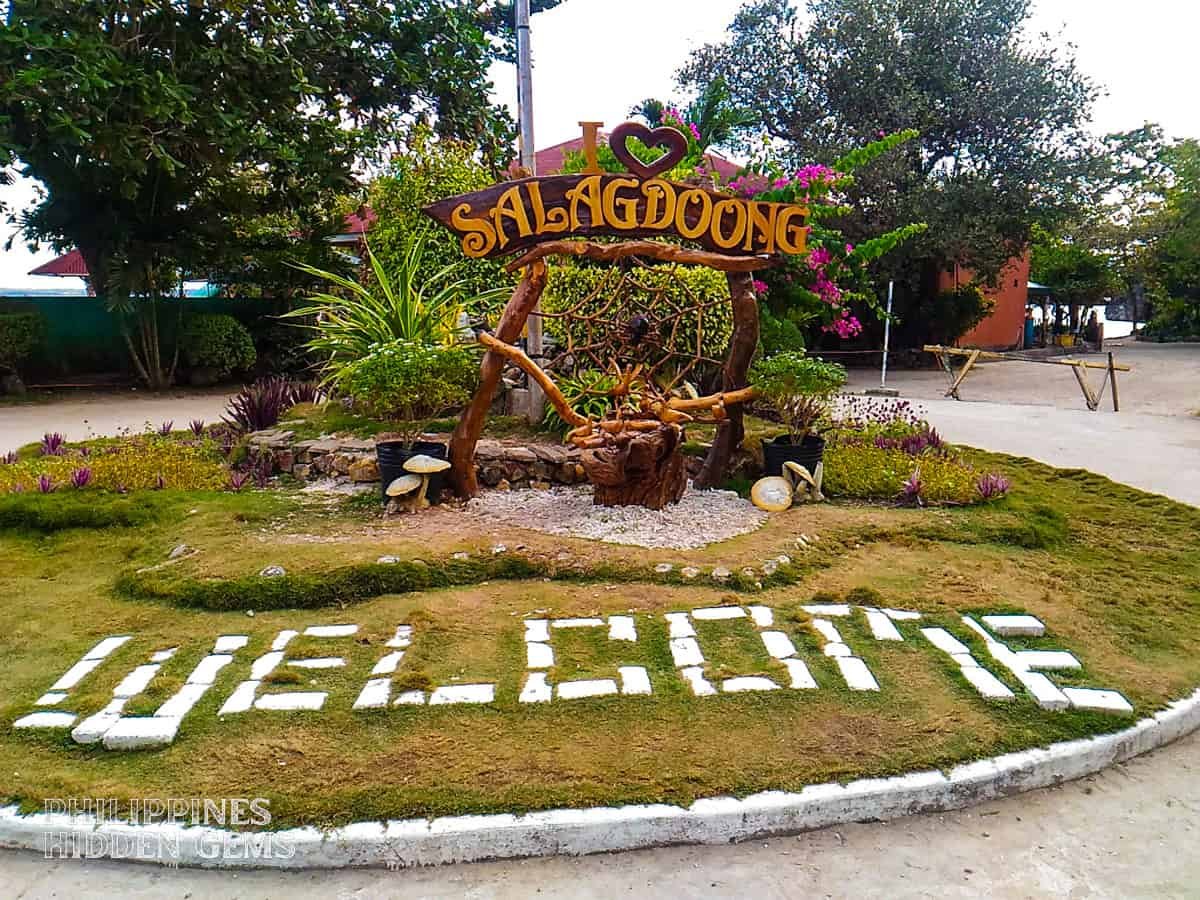
Cliff Jumping at Salagdoong Beach
Your complete guide to cliff jumping at Salagdoong Beach - Siquijor's most thrilling adventure with platforms at 5m, 8m, and 10m heights.