Siquijor Tourism Ecological Fee 2026: What Every Visitor Needs to Know
Everything about Siquijor's new tourism ecological fee starting February 2026. Fee amounts, exemptions, where to pay, and how it supports the island's environment.
 Island Adventures Team
 Siquijor has introduced a new tourism ecological fee effective February 1, 2026. Whether you are a first-time visitor or a returning traveler, this fee now applies to everyone arriving on the island. Here is everything you need to know before your trip, including how much it costs, who is exempt, and what the money is actually used for.
What Is the Siquijor Tourism Ecological Fee?
The tourism ecological fee is a mandatory charge collected from all visitors arriving in Siquijor. Implemented by the provincial government in partnership with the Department of Tourism, the fee funds environmental conservation programs and tourism infrastructure improvements across the island.
This is not a new concept in the Philippines. Popular destinations like Boracay, El Nido, and Coron have similar environmental fees in place. Siquijor’s decision to implement one reflects the island’s growing popularity and the need to protect its relatively untouched natural resources from the pressures of increasing visitor numbers.
How Much Does It Cost?
The fee structure is straightforward and affordable:
- Standard visitors (domestic and foreign): 50 pesos per person
- Senior citizens and students: 40 pesos per person (with valid ID)
- Children aged 6 and below: Free
- Siquijor residents: Exempt (with valid ID or barangay certificate)
To put this in perspective, 50 pesos is roughly equivalent to one US dollar. It is a minimal amount that will not significantly impact your travel budget but collectively generates meaningful funding for the island’s environmental programs.
Where and When Do You Pay?
The ecological fee is collected at Siquijor’s ports of entry. If you arrive by ferry from Dumaguete, Tagbilaran, or any other origin point, expect to encounter the collection point as you disembark or pass through the port area.
Here is what to keep in mind:
- Payment is collected upon arrival at the port
- Cash payment in Philippine pesos is required
- Keep your receipt as proof of payment in case you are asked to present it during your stay
- The fee is a one-time charge per visit, not a daily fee
If you are arriving via the new commercial flights to Siquijor Airport, the same fee applies and is collected at the airport terminal.
What Does the Fee Fund?
The provincial government has outlined several priority areas for the funds collected through the ecological fee:
Environmental Conservation
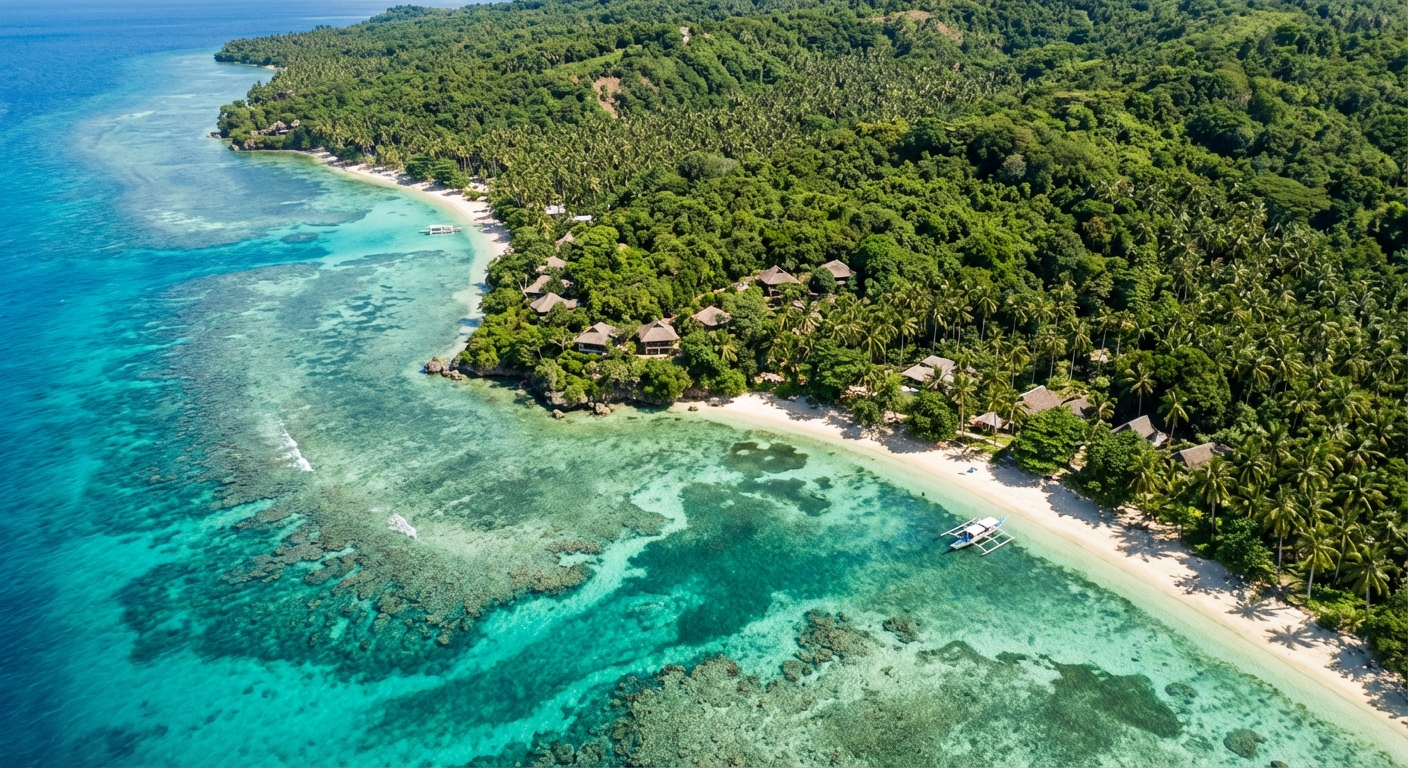
Siquijor’s marine sanctuaries, coral reefs, and coastal ecosystems are among the most well-preserved in the Visayas. The fee helps fund ongoing reef monitoring, marine sanctuary management, and coastal cleanup operations. The island’s network of marine protected areas requires consistent funding for patrol boats, marker buoys, and enforcement personnel.
Waste Management
As tourist arrivals increase, so does the volume of waste generated on the island. Siquijor has been proactive about waste management, but the infrastructure needs continuous investment. The ecological fee contributes to waste collection services, recycling programs, and the maintenance of disposal facilities that serve both residents and visitors.
Watershed Protection
The island’s freshwater sources, including the springs that feed popular attractions like Cambugahay Falls and Lugnason Falls, depend on healthy watersheds. Reforestation efforts and watershed protection programs receive funding from the ecological fee, ensuring that these natural attractions continue flowing for years to come.
Tourism Infrastructure
Beyond environmental programs, a portion of the fee goes toward improving the visitor experience. This includes maintaining public restrooms at tourist sites, improving trail markings and safety features, and upgrading signage throughout the island.
How Does This Compare to Other Philippine Destinations?
Siquijor’s ecological fee is among the most reasonable in the country:
- Boracay: 300 pesos environmental fee plus 100 pesos terminal fee
- El Nido, Palawan: 200 pesos eco-tourism development fee
- Coron, Palawan: 200 pesos eco-tourism development fee
- Siargao: 50 pesos environmental fee (recently implemented)
- Siquijor: 50 pesos tourism ecological fee
At just 50 pesos, Siquijor offers one of the lowest entry fees among major Philippine tourist destinations. The provincial government has stated that the amount was deliberately set low to remain accessible while still generating meaningful revenue for conservation.
Tips for Visitors
Before You Arrive
Prepare small bills in Philippine pesos. While the fee is minimal, having exact change speeds up the process at the port, especially during peak arrival times when multiple ferries dock close together.
If you qualify for the discounted rate, have your student ID or senior citizen card ready. Siquijor residents should carry a valid government ID or barangay certificate.
At the Port
The collection process is simple and fast. Look for the designated booth or table near the port exit. Staff will issue a receipt after payment. The entire process typically takes less than a minute.
During peak season months from March through May and during major festivals, arrival areas can get busy. Allow a few extra minutes in your schedule for the fee collection process.
During Your Stay
Some individual tourist attractions in Siquijor have their own entrance fees separate from the ecological fee. For example:
- Cambugahay Falls: 30 pesos entrance fee
- Salagdoong Beach: 30 pesos entrance fee
- Cantabon Cave: Guide fee of approximately 300-500 pesos per group
- Old Enchanted Balete Tree: Small voluntary donation for the fish spa
These attraction-specific fees are managed by individual barangays or site operators and are separate from the provincial ecological fee.
The Bigger Picture: Sustainable Tourism on the Island
Siquijor’s ecological fee is part of a broader shift toward sustainable tourism that has been building on the island for several years. Unlike some Philippine destinations that experienced rapid, unregulated tourism growth, Siquijor has taken a measured approach to development.
The island lacks the large-scale resorts and commercial complexes found in Boracay or Cebu. Most accommodations are small, locally owned guesthouses and boutique resorts. The provincial government has been deliberate about maintaining this character, and the ecological fee is one tool in that strategy.
Local environmental groups have supported the initiative, viewing it as a necessary step to formalize conservation funding. Previously, many environmental programs on the island relied on inconsistent grant funding or volunteer efforts. A steady revenue stream from the ecological fee provides more predictable and sustainable funding.
Community Impact
The fee also creates employment opportunities for local residents who staff collection points and manage the programs funded by the revenue. This aligns with the provincial government’s goal of ensuring that tourism benefits are distributed across the community rather than concentrated among a few business owners.
Several barangays have already reported improvements in waste collection services and beach maintenance since the fee’s implementation. While it is still early to measure long-term impact, the initial results are encouraging.
Frequently Asked Questions
Is the ecological fee charged per visit or per day? Per visit. You pay once when you arrive, regardless of how long you stay.
Can I pay with a credit card or digital wallet? Currently, only cash payments in Philippine pesos are accepted. This may change in the future as digital payment infrastructure expands on the island.
Do I need to show my receipt during my stay? It is advisable to keep your receipt, though random checks are uncommon. Some tour operators may ask to see it when booking activities.
Is the fee refundable if I cancel my trip? The fee is collected upon arrival, so it would not apply if you do not actually visit the island.
Does the fee apply to day trippers? Yes. The fee applies to all visitors regardless of the length of stay.
Will the fee amount increase? There are no announced plans to increase the fee as of February 2026. The provincial government has indicated that any future adjustments would involve public consultation.
Planning Your Visit
The ecological fee should not deter anyone from visiting Siquijor. At 50 pesos, it represents a negligible addition to your travel budget while contributing meaningfully to the preservation of the island’s natural beauty.
When budgeting for your Siquijor trip, factor in the ecological fee along with ferry costs (approximately 200-250 pesos from Dumaguete), accommodation (starting around 800-1500 pesos per night for basic rooms), and daily expenses for food and transportation.
The dry season from February through May remains the best time to visit, with calm seas making the ferry crossing comfortable and sunny skies ideal for exploring the island’s beaches, waterfalls, and heritage sites. With the ecological fee now in place, visitors can feel confident that their trip contributes directly to keeping Siquijor beautiful and sustainable for the long term.
Island Adventures Team
Helping travelers plan their perfect Siquijor experience with up-to-date practical information.
Related Experiences
Day Trips from Siquijor: Dumaguete, Bohol & Beyond
Explore beyond Siquijor with day trips to Dumaguete city, Bohol's Chocolate Hills, and nearby attractions. Ferry schedules, costs, and practical planning tips.

Family Travel Guide to Siquijor: 2026 Complete Planning Resource
Plan the perfect Siquijor family vacation. Kid-friendly activities, family accommodations, safety tips, what to pack, and age-appropriate adventures.
How to Get to Siquijor in 2026: Complete Travel Guide
Everything you need to know about getting to Siquijor Island in 2026 - ferry routes, schedules, prices, and transportation options from Manila, Cebu, Bohol, and Dumaguete.