Siquijor Festivals: Dilaab, Bugwas & Local Celebrations
Experience Siquijor's vibrant festivals - from Dilaab's Healing Festival to local fiestas. Complete guide to dates, activities, and cultural celebrations.
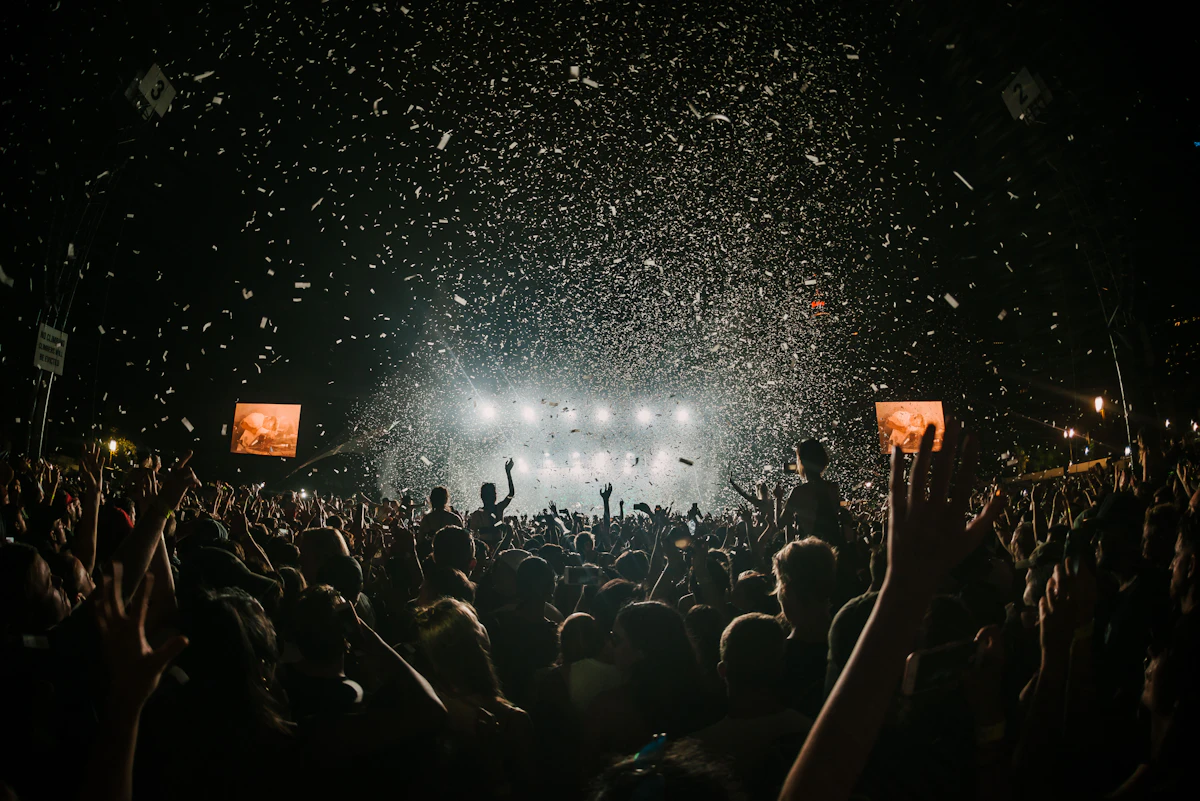
Siquijor comes alive during its festivals, when the island’s mystical heritage, Catholic traditions, and local culture blend into colorful celebrations. From the province-wide Dilaab Festival to intimate barangay fiestas, these events offer a window into authentic island life.
Major Festivals Calendar
| Festival | When | Where | Highlights |
|---|---|---|---|
| Dilaab Festival | March 17-25 | Island-wide | Main provincial celebration |
| Healing Festival | Holy Week | Mt. Bandilaan | Traditional healer gathering |
| Bugwas Festival | Variable | San Juan | Street dancing, cultural shows |
| Saging Festival | Variable | Lazi | Banana-themed celebration |
| Lubi Festival | Variable | Maria | Coconut festival |
| Cano-an Festival | Variable | Larena | Maritime heritage celebration |
Dilaab Festival (March)
The Dilaab Festival is Siquijor’s grandest celebration, held annually during the third week of March. “Dilaab” refers to the flames from fireflies that once lit the island’s molave trees, giving Siquijor its Spanish name “Isla del Fuego” (Island of Fire).
When
March 17-25, with the main events on March 24-25 coinciding with the province’s founding anniversary (Republic Act 6396 was signed on March 25, 1971).
What Happens
Street Dancing Competition The highlight of Dilaab is the street dancing competition featuring contingents from all six municipalities. Performers wear elaborate costumes inspired by fireflies, traditional healing practices, and island mythology.
Cultural Presentations
- Traditional dance performances
- Musical showcases
- Drama presentations depicting Siquijor’s history
- Indigenous music and instruments
Trade Fair Local products on display and for sale:
- Healing herbs and traditional remedies
- Local crafts and souvenirs
- Island produce and food products
Beauty Pageant Miss Siquijor and related competitions celebrate local beauty and talent.
Sports Events Inter-municipal competitions in basketball, volleyball, and other sports.
Where
Main events take place in Siquijor town (the capital), with activities spreading to other municipalities.
Pro Tip
Book accommodations early if visiting during Dilaab Festival. The island fills up with locals returning home and domestic tourists. Rooms in Siquijor town are especially hard to find.
Healing Festival (Holy Week)
The most unique of Siquijor’s celebrations, the Healing Festival draws on the island’s reputation as a center for traditional medicine and folk healing.
When
Holy Week, particularly Black Saturday (Sabado de Gloria), when the main rituals occur.
What Happens
Mananambal Gathering Traditional healers (mananambal) from across the island gather at designated locations, particularly around Mt. Bandilaan, to perform ceremonies and prepare “bolo-bolo” (healing potions).
Potion Preparation At midnight on Black Saturday, when the church bells are silent, healers prepare their most potent medicines. This timing is considered especially powerful.
Healing Rituals Visitors can observe (and sometimes participate in) various healing practices:
- Herbal treatments
- Massage and manipulation
- Bolo-bolo ceremony (using a stone in water to “extract” illness)
- Prayers and incantations
Religious Observances Holy Week is also observed with Catholic traditions:
- Visita Iglesia (church visitations)
- Processions
- Passion plays
- Good Friday services
Where
- San Antonio, Mt. Bandilaan — Traditional gathering point
- Various barangays with known healers
- Churches throughout the island for Catholic observances
Good to Know
The Healing Festival is a spiritual and cultural event, not a tourist show. Approach with respect. Some healers welcome visitors; others prefer privacy. Always ask permission before photographing.
Municipal Festivals
Each of Siquijor’s six municipalities celebrates its own festival, usually tied to local products or patron saints.
Bugwas Festival (San Juan)
Theme: Celebrates local culture and heritage
Highlights:
- Street dancing competition
- Parade of colorful costumes
- Cultural performances
- Food and trade fair
San Juan being the tourist hub means Bugwas Festival tends to be well-attended by visitors.
Saging Festival (Lazi)
Theme: Honors the banana (saging), a major local crop
Highlights:
- Banana cooking competitions
- Banana-inspired costumes in street dancing
- Agricultural exhibits
- Community feast
Lazi’s festival reflects its agricultural identity and strong community ties.
Lubi Festival (Maria)
Theme: Celebrates the coconut (lubi), essential to island life
Highlights:
- Coconut-based products showcase
- Cooking demonstrations
- Cultural presentations
- Traditional games
Maria’s interior location means this festival offers a more local, less touristy experience.
Cano-an Festival (Larena)
Theme: Honors the paddle (cano-an), representing maritime heritage
Highlights:
- Boat parades
- Water sports competitions
- Street dancing with maritime themes
- Seafood feast
Larena’s port town identity comes through in this celebration of the sea.
Insider Knowledge
Municipal festivals often have less fixed dates than Dilaab. Check with the Provincial Tourism Office or your accommodation for current schedules, especially if timing your visit around a specific festival.
Patron Saint Fiestas
Beyond the themed festivals, each municipality celebrates its patron saint’s feast day—a tradition found throughout the Philippines.
| Town | Patron Saint | Feast Day |
|---|---|---|
| Siquijor | St. Francis of Assisi | October 4 |
| San Juan | St. John the Baptist | June 24 |
| Lazi | St. Isidore the Laborer | May 15 |
| Maria | Our Lady of Divine Providence | Third Sunday of November |
| Larena | St. Vincent Ferrer | April 5 |
| Enrique Villanueva | Our Lady of Mt. Carmel | July 16 |
What to Expect at a Fiesta
- Mass and processions honoring the patron saint
- Community feast (food shared among neighbors)
- Street parties and live music
- Local games and competitions
- Family reunions as locals return home
Fiestas are wonderful times to experience genuine Filipino hospitality. Don’t be surprised if you’re invited to share a meal with locals.
Attending Festivals: Practical Tips
Booking Accommodations
- Dilaab and Holy Week: Book 2-4 weeks in advance
- Municipal festivals: 1 week advance is usually sufficient
- Fiestas: Room availability is usually fine
Transportation
- Roads can be congested during major festivals
- Tricycles charge higher fares during peak events
- Having your own motorcycle gives flexibility
What to Bring
- Camera — Lots of photo opportunities
- Cash — Vendors may not take cards
- Water — Stay hydrated at outdoor events
- Sun protection — Most festivities happen outdoors
- Respectful attire — Especially for religious events
Etiquette
- Ask before photographing people, especially in traditional settings
- Respect religious ceremonies — Don’t interrupt services
- Join in appropriately — Many locals welcome visitor participation
- Don’t treat healing practices as entertainment
Good to Know
During Holy Week, book ferries in advance—both coming and going. The island fills up, and everyone tries to leave on Easter Sunday.
Best Festival Experiences
For Culture Seekers: Healing Festival
Nothing else like it exists in the Philippines. Watching traditional healers at work during Holy Week is a unique anthropological experience.
For Celebration: Dilaab Festival
The biggest party with the most activities. Street dancing, beauty pageants, and a carnival atmosphere.
For Authenticity: Local Fiestas
Small-town fiestas offer genuine cultural immersion without the tourist crowds. You’ll be welcomed as an honored guest.
For Photography: Any Festival
All Siquijor festivals offer incredible visual opportunities—colorful costumes, expressive faces, traditional settings.
Planning Around Festivals
Pros of Visiting During Festivals
- Experience authentic cultural traditions
- See the island at its most vibrant
- Interact with locals in celebratory mood
- Unique photo opportunities
Cons of Visiting During Festivals
- Higher accommodation prices
- Fewer available rooms
- Crowded attractions
- Transportation challenges
Quiet Time Alternative
If you prefer peaceful exploration, avoid Holy Week entirely. The weeks before and after major festivals offer a calmer island while still allowing you to see festival preparations or aftermath.
Festival Resources
Provincial Tourism Office
- Phone: 0955 370 6991
- Email: siquijortourism@gmail.com
- Can provide current festival schedules
Facebook Groups
Local Facebook groups often share real-time festival updates and photos.
Your Accommodation
Ask staff about ongoing or upcoming festivities—they’ll know what’s happening nearby.
Final Thoughts
Siquijor’s festivals reveal a layer of the island that casual tourism misses. Beyond the beaches and waterfalls, there’s a community with deep traditions, unique beliefs, and genuine warmth.
Whether you time your visit for the Healing Festival’s mystical atmosphere, Dilaab’s provincial pride, or a small barangay fiesta, you’ll experience Siquijor as more than a destination—you’ll glimpse it as a home.
Just remember: festivals here aren’t performances put on for tourists. They’re living traditions. Approach with respect, participate with humility, and you’ll find yourself welcomed into something special.
Frequently Asked Questions
When is the Healing Festival in Siquijor?
What is the Dilaab Festival?
Can tourists participate in Siquijor festivals?
Which is the best festival to attend in Siquijor?
Siquijor.xyz Editorial Team
Local experts sharing authentic Siquijor experiences
Related Experiences
Day Trips from Siquijor: Dumaguete, Bohol & Beyond
Explore beyond Siquijor with day trips to Dumaguete city, Bohol's Chocolate Hills, and nearby attractions. Ferry schedules, costs, and practical planning tips.

Family Travel Guide to Siquijor: 2026 Complete Planning Resource
Plan the perfect Siquijor family vacation. Kid-friendly activities, family accommodations, safety tips, what to pack, and age-appropriate adventures.
How to Get to Siquijor in 2026: Complete Travel Guide
Everything you need to know about getting to Siquijor Island in 2026 - ferry routes, schedules, prices, and transportation options from Manila, Cebu, Bohol, and Dumaguete.